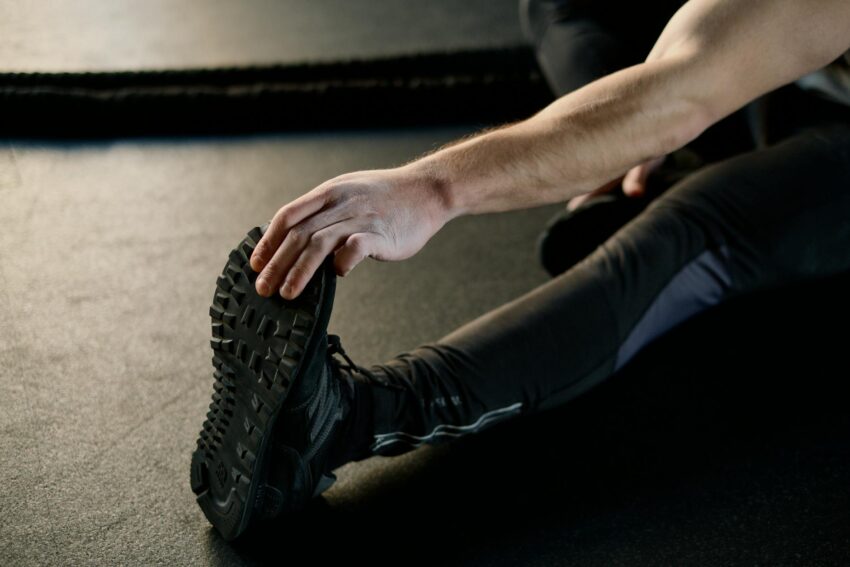
Ever woken up feeling like a rusty robot? Or maybe it’s that nagging lower back ache after a long day at your desk, or the tight shoulders that just won’t relax, no matter how much you stretch? You’re not alone. So many of us are living with persistent aches and stiffness, feeling like our bodies are constantly fighting against us. The truth is, we often jump to big solutions – intense workouts, drastic diet changes, or even expensive therapies – when the answer might be in something much smaller, much more consistent.
What if I told you that a few seconds of gentle movement, sprinkled throughout your day, could be your secret weapon against chronic pain and stiffness? I’m talking about micro-movements. These aren’t about breaking a sweat or pushing your limits. They’re about subtle, mindful adjustments that coax your body back into alignment, improve circulation, and remind your nervous system that it’s safe to move freely.
The Modern Life Dilemma: Why We Get So Stuck
Let’s be honest, modern life isn’t exactly designed for fluid, natural movement. We sit for hours on end, hunched over screens, our necks jutting forward, shoulders rounding. We drive, we commute, we stand in lines, often locked into static positions. Even when we *do* exercise, it’s often a concentrated burst followed by more prolonged stillness. This creates what I like to call “stuck spots” in our bodies – areas where fascia gets tight, muscles shorten, and joints lose their lubrication.
I remember a few years back, I was dealing with persistent hip pain. I’d been diligent with my workouts, but the pain just wouldn’t quit. I stretched, I rolled, I tried all the “big” fixes. It was frustrating, to say the least. Then, a colleague, a seasoned physiotherapist, suggested I stop thinking about an hour-long fix and start thinking about minutes. He introduced me to the concept of micro-movements, and honestly, it changed everything for me. It wasn’t overnight, but slowly, consistently, those tiny shifts throughout my day started to chip away at the stiffness and pain that had become my unwelcome companions.
What Exactly Are Micro-Movements?
Here’s the thing: micro-movements are exactly what they sound like – small, gentle, often imperceptible movements that you can do anywhere, anytime. They’re not about stretching to your maximum range, nor are they strength training. They’re about:
- Mindful Awareness: Paying attention to how your body feels.
- Gentle Mobilization: Encouraging blood flow and synovial fluid to lubricate your joints.
- Nervous System Reset: Signalling to your brain that movement is safe and easy, reducing tension.
Think of it like this: if a big workout is a deep clean for your house, micro-movements are the daily tidying up – preventing the mess from ever getting out of hand in the first place.
Why They Work Wonders (Without the Sweat)
What most people miss is that our bodies thrive on movement, not just intense bursts of it. Our joints need to be gently moved through their range of motion to keep the synovial fluid (our body’s natural lubricant) circulating. Our fascia, the connective tissue that wraps around everything, loves to be stretched and released from static holds. And our nervous system? It responds beautifully to gentle, consistent cues of safety and ease, which can actually reduce our perception of pain.
By integrating micro-movements, you’re not just moving muscles; you’re:
- Improving circulation to often-neglected areas.
- Releasing tension in tight muscles and fascia.
- Enhancing proprioception (your body’s awareness of its position in space).
- Reducing stiffness and increasing overall mobility.
- Potentially preventing future injuries.
Integrating Micro-Movements into Your Daily Grind
The beauty of micro-movements is that they don’t require special equipment, a gym membership, or even dedicated time. You can weave them seamlessly into your day. Let me give you some real-world examples:
For the Desk Warriors & Screen Gazers
- Neck Nods & Turns: Instead of static head tilts, gently nod your head yes and no, or slowly turn your head from side to side, just a few inches in each direction. Think about feeling the movement, not forcing it.
- Shoulder Rolls: Shrug your shoulders up towards your ears, then roll them back and down, letting them relax. Do a few forward and a few backward. This is fantastic for releasing upper back tension.
- Wrist Circles & Finger Wiggles: Typing all day can make your wrists and hands stiff. Gently circle your wrists in both directions, then spread your fingers wide and make a loose fist.
- Pelvic Tilts: While seated, gently rock your pelvis forward and backward, feeling your lower back round and then arch slightly. This subtle movement lubricates your lumbar spine.
- Ankle Pumps: Lift your heels and then your toes, or gently circle your ankles. Great for circulation, especially if you’re prone to swollen feet.
On Your Feet & On the Go
- Gentle Hip Swings: Waiting for the kettle to boil? Standing in line? Gently swing one leg forward and backward, or side to side, keeping the movement small and controlled.
- Spinal Twists: Standing tall, gently rotate your torso a few inches to the left, then to the right. Don’t force it, just let your spine gently unwind.
- Calf Raises: While doing dishes or waiting for a bus, simply lift up onto the balls of your feet and slowly lower. Repeat a few times.
- Foot Articulation: Take off your shoes occasionally and gently roll your feet over a tennis ball, or simply spread your toes wide and then curl them. Your feet are your foundation!
Morning & Evening Rituals
- Bedside Stretches: Before you even get out of bed, gently bring one knee to your chest, then the other. Do some gentle spinal twists while lying down.
- Mindful Breathing: Wherever you are, take a few deep, slow breaths, focusing on expanding your rib cage and letting your belly rise and fall. This isn’t strictly a movement, but it relaxes your diaphragm and influences your entire posture and nervous system.
The Power of Consistency and Awareness
Look, the key here isn’t perfection; it’s consistency and awareness. I’ve found that setting subtle reminders on my phone (a chime every hour, for instance) can be incredibly helpful when I’m deep in work. Or, I tie a micro-movement to an existing habit: “Every time I get a drink of water, I’ll do 5 shoulder rolls.”
Don’t just go through the motions. Really pay attention. How does your body feel before, during, and after? Do you notice one side is tighter than the other? This isn’t just about physical benefits; it’s about building a stronger mind-body connection. You’ll start to anticipate stiffness and address it before it becomes a problem.
Starting small and being patient is crucial. You didn’t develop that stiffness overnight, and you won’t undo it overnight either. But I promise you, with consistent, gentle attention to these micro-movements, you’ll start to feel more fluid, more comfortable, and genuinely stronger in your own skin. You’ll move better, and you’ll feel better. It’s a fundamental shift in how you inhabit your body, and it’s absolutely worth the effort.
Of course, if you’re experiencing severe pain or have a medical condition, always consult with a healthcare professional before starting any new movement practice. Your body is unique, so listen to it and respect its boundaries.
Frequently Asked Questions About Micro-Movements
How long should I do micro-movements for?
The beauty is there’s no set time! Even 10-30 seconds of gentle movement can make a difference. The goal is frequency over duration. Aim for a few seconds every 30-60 minutes if you’re sedentary, or whenever you feel a hint of stiffness. A minute here, thirty seconds there – it all adds up.
Can micro-movements replace my regular exercise routine?
Absolutely not! Micro-movements are a fantastic complement to your regular exercise, not a substitute. They help keep your body supple, reduce stiffness, and prepare you for more intense activities, but they don’t provide the cardiovascular benefits or strength training that a dedicated workout does. Think of them as the daily maintenance that supports your bigger fitness goals.
What if I feel a little stiffness or discomfort during a micro-movement?
Mild stiffness is common, especially when starting out. The key is to distinguish between “good” discomfort (like a gentle stretch) and “bad” pain (sharp, shooting, or increasing pain). If you feel pain, stop immediately. If it’s just stiffness, try reducing the range of motion even further and move more slowly and gently. The goal is to ease into movement, not push through pain.
Are there any micro-movements I shouldn’t do?
If you have a pre-existing injury, a chronic condition, or are recovering from surgery, always check with your doctor or physical therapist before attempting any new movements. Generally, avoid anything that causes sharp pain or feels unstable. Listen to your body – it’s your best guide.
How quickly will I see results from incorporating micro-movements?
This varies from person to person. Some people notice a subtle difference in stiffness or a feeling of greater ease within a few days. For others, it might take a few weeks to truly feel the cumulative benefits. The most important thing is consistency. The longer you practice, the more profound and lasting the changes will be.