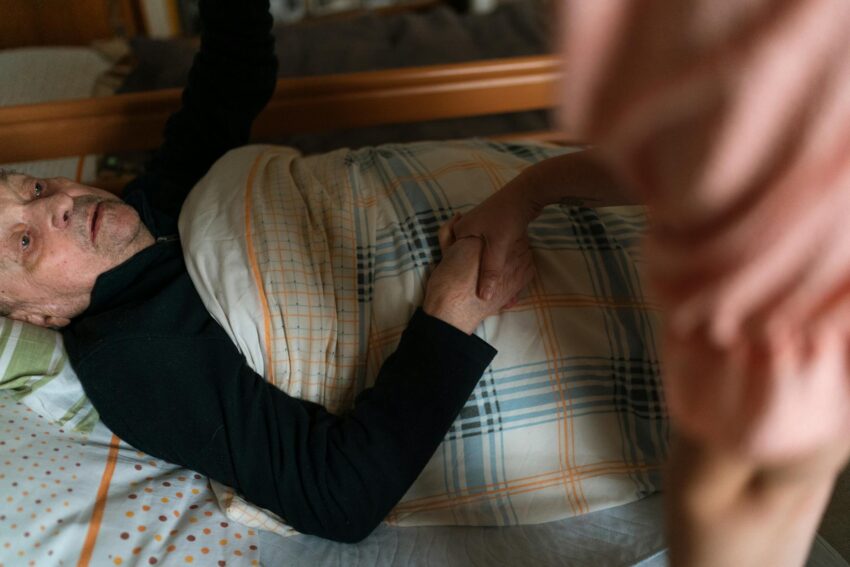
Imagine this: You’ve made one of the toughest decisions of your life, entrusting the care of your beloved parent or grandparent to a nursing home. You toured the facility, asked all the right questions, and felt a sense of relief, believing they’d be safe, comfortable, and well-cared for. But then, slowly, a creeping doubt starts to settle in. A small bruise here, a missed medication there, a vague complaint. Soon, those small worries grow into a gnawing fear: Is my loved one being neglected?
It’s a truly horrifying thought, isn’t it? The trust placed in these facilities is immense, and the thought of that trust being broken is unbearable. As someone who has spent years helping families navigate these incredibly painful situations, I can tell you that your instincts are often incredibly powerful. If something feels off, it very well might be. The truth is, nursing home neglect is a far more common problem than most people realize, and recognizing the signs early is absolutely critical.
The Alarming Signs: What to Look For
When I talk to families, one of the first things I do is help them understand what constitutes neglect and, more importantly, what specific indicators they should be looking for. It’s not always dramatic abuse; often, it’s a slow erosion of care that, over time, causes significant harm.
Physical Red Flags
These are often the most obvious signs, but sometimes they’re dismissed as “just part of aging.” Don’t let anyone tell you that.
- Bedsores (Pressure Ulcers): This is a big one. These painful wounds, often on the heels, hips, or tailbone, are almost always a sign of inadequate care. They develop when a resident isn’t regularly repositioned. I once worked with a family whose grandmother developed a Stage IV sore – down to the bone – simply because staff weren’t turning her. It was heartbreaking and entirely preventable.
- Unexplained Injuries: Bruises, cuts, scrapes, or even fractures without a clear explanation are huge red flags. If staff can’t give a consistent, plausible account, be suspicious. Look closely at areas like wrists, ankles, and inner thighs.
- Poor Hygiene: This might seem basic, but it’s a core indicator of neglect. Unwashed hair, dirty clothes, body odor, unclipped nails, or even urine/fecal odors lingering in their room or on their person. Residents should be kept clean and comfortable.
- Significant Weight Loss or Dehydration: Are they losing a lot of weight? Do their lips look cracked? Are they lethargic? These can point to insufficient food or water, or staff failing to assist them with eating and drinking. Sometimes, it’s a simple failure to provide accessible fluids.
- Medication Errors: Missing doses, incorrect dosages, or medications that aren’t being given on schedule can have serious health consequences. Keep an eye on their medication logs if you have access, or ask specific questions about their regimen.
Emotional and Behavioral Changes
Sometimes, the signs aren’t physical. Our loved ones might not be able to articulate what’s happening, but their behavior will speak volumes.
- Withdrawal or Depression: Are they suddenly quiet, withdrawn, or unwilling to participate in activities they once enjoyed? This could be a sign of emotional neglect, or even a reaction to fear or mistreatment.
- Fear or Anxiety Around Staff: Pay close attention to how your loved one reacts when certain staff members enter the room. Do they flinch? Do they become visibly anxious or agitated? This is a major warning sign.
- Unexplained Agitation or Aggression: While dementia can cause behavioral changes, a sudden onset of agitation or aggression could be a response to frustration, pain, or even feeling unsafe.
- Reluctance to Speak Freely: If your loved one seems hesitant to talk about their care when staff are present, or whispers complaints when they’re gone, it’s definitely something to investigate. They might be afraid of repercussions.
Environmental Concerns
Look beyond your loved one themselves. The environment tells a story too.
- Unsanitary Conditions: Dirty rooms, soiled linens, unpleasant odors in the facility overall, overflowing trash cans. This suggests a general lack of cleanliness and attention.
- Lack of Supervision: Are residents often left unattended in common areas? Are call lights going unanswered for long periods? This indicates understaffing or inattentive staff, which is a recipe for accidents and neglect.
- Hazardous Conditions: Broken equipment, wet floors, cluttered hallways, or residents wandering unsupervised in unsafe areas.
Taking Action: What to Do When You Suspect Neglect
Look, seeing these signs can be incredibly overwhelming. My advice? Take a deep breath, and then get systematic. The most important thing is to act, and to do so strategically.
Document, Document, Document!
This is my mantra. If you suspect neglect, start keeping meticulous records. Write down everything: dates, times, specific observations, names of staff members you spoke with, and their responses. Take photos of injuries, unsanitary conditions, or anything else that raises concern. I can’t tell you how many times clear, dated photos have been invaluable in these cases.
Communicate, But Be Strategic
Start by talking to the nursing home staff and administration. Express your concerns calmly but firmly. Ask specific questions and document their answers. Give them a chance to address the issues. However, if your concerns aren’t taken seriously, or if the problems persist, it’s time to escalate.
Don’t Wait Too Long to Call a Lawyer
Here’s the thing: many families hesitate to involve an attorney, thinking it’s too aggressive or that they can handle it themselves. What most people miss is that legal counsel isn’t just about filing a lawsuit; it’s about understanding your rights, gathering evidence correctly, and having an advocate who knows the complex laws governing nursing home care. I’ve seen families try to navigate this alone, only to find themselves overwhelmed and making mistakes that could compromise their case down the line.
A good attorney specializing in elder law or personal injury due to neglect can advise you on the best course of action, help you contact state regulatory agencies (like the Long-Term Care Ombudsman or the Department of Health), and ensure that your loved one’s rights are protected.
The Legal Path: Protecting Your Loved One
When neglect is suspected, the legal system can offer a path to accountability and compensation for damages. It’s not just about money; it’s about justice, preventing future harm, and ensuring dignity.
Understanding Neglect vs. Abuse
While often intertwined, neglect is typically defined as a failure to provide necessary care, leading to harm. Abuse, on the other hand, involves intentional acts that cause harm (physical, emotional, sexual, or financial). Both are serious and can lead to legal action.
What a Lawyer Does
When you bring a case to me, or to any competent elder abuse attorney, we embark on a thorough investigation. This involves:
- Gathering Evidence: Requesting medical records, facility policies, staffing logs, incident reports, and witness statements. This is where your detailed documentation becomes invaluable.
- Consulting Experts: We often work with medical experts, such as geriatricians or nursing specialists, to review records and determine if the standard of care was breached and how that breach led to harm.
- Negotiation: Many cases are resolved through negotiation with the nursing home’s insurance company. We fight for fair compensation for medical expenses, pain and suffering, and other damages.
- Litigation: If a fair settlement can’t be reached, we’re prepared to take the case to court. This is where having a skilled litigator on your side truly makes a difference.
My Philosophy on These Cases
The truth is, these cases are deeply personal for me. Our elderly population deserves nothing less than respect, dignity, and excellent care. When a nursing home fails in its fundamental duty and causes harm to a vulnerable individual, it’s not just a legal issue; it’s a moral failure. I believe passionately that holding these facilities accountable is crucial – not only for the individual victim and their family but for sending a clear message that such neglect won’t be tolerated. It helps push the industry to improve and ensures that other families won’t suffer the same pain.
If you’re seeing signs of neglect, please don’t let fear or uncertainty paralyze you. Your loved one is depending on you. Trust your gut, gather your information, and reach out for help. There are legal avenues to protect them, and you don’t have to walk that path alone.
Frequently Asked Questions About Nursing Home Neglect
Q1: How quickly should I act if I suspect neglect?
As quickly as possible. The sooner you identify and address the issue, the better for your loved one’s health and safety. Also, critical evidence can be lost over time.
Q2: Can I get my loved one transferred to another facility?
Yes, you absolutely can. If you have serious concerns about their safety or well-being, you have the right to move them. An attorney can help facilitate this process and ensure a smooth transition, especially if the current facility tries to impede it.
Q3: What kind of compensation can be sought in a nursing home neglect case?
Compensation can cover medical expenses (past and future), pain and suffering, emotional distress, and in some severe cases, punitive damages intended to punish the facility for egregious conduct. In tragic situations, wrongful death claims can also be pursued.
Q4: Will my loved one have to testify in court?
Not necessarily. Many cases settle out of court. If a lawsuit proceeds, your loved one’s testimony might be requested, but accommodations can often be made based on their health and cognitive abilities. We always prioritize their comfort and well-being.
Q5: How much does it cost to hire an attorney for a neglect case?
Most attorneys specializing in nursing home neglect cases work on a contingency fee basis. This means you don’t pay any upfront legal fees, and the attorney only gets paid if they successfully recover compensation for you. Their fee is a percentage of the settlement or court award.