Ever hit that afternoon slump, feeling foggy-brained and just… blah? Or maybe you’re constantly battling minor aches, feeling like your immune system is perpetually on vacation, or simply struggling to shake off stress? I’ve been there, more times than I care to admit. For years, I chased different solutions – more coffee, better sleep (which always felt elusive), endless supplements. And while those things have their place, none of them quite delivered the consistent, profound shift I was looking for.
Then, I stumbled upon something that sounded utterly bonkers: cold therapy. Yeah, I’m talking about intentionally exposing yourself to cold. Think ice baths, cold showers, plunges into frigid lakes. My initial reaction? No thank you. Who actively seeks out discomfort like that? But the more I read, the more I heard from people who swore by it, the more I started to get curious. Could this seemingly brutal practice actually be a secret weapon for daily health and building serious resilience?
The truth is, it absolutely can be. And no, you don’t need to be an extreme athlete or a Wim Hof disciple to reap the benefits. What most people miss is that cold therapy isn’t about enduring misery; it’s about purposefully engaging with discomfort to unlock a cascade of physiological and psychological advantages. It’s about training your body and mind to adapt, to become stronger, more focused, and surprisingly, more at peace.
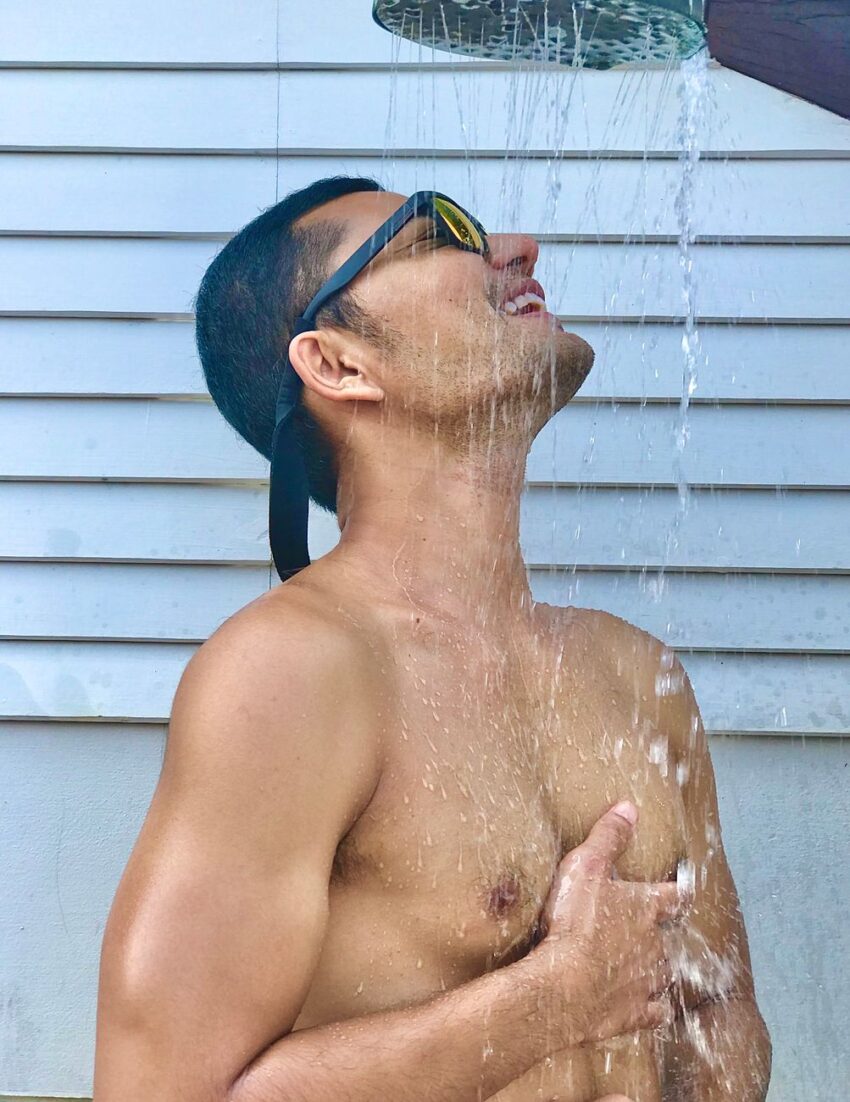
My own journey started tentatively. I’ll never forget my first truly cold shower. It was a miserable, gasping, involuntary dance in the bathroom. My brain screamed, “What are you doing?!” But after about 30 seconds of sheer, icy terror, something shifted. A weird calm washed over me, followed by an incredible surge of energy. I stepped out feeling invigorated, clear-headed, and honestly, a little proud of myself. That feeling hooked me, and I’ve been integrating cold exposure into my life ever since.
The Incredible Power of the Chill
So, what exactly happens when you brave the cold? A lot, actually. It’s not just about “waking up”; it’s a deep, systemic response that touches nearly every aspect of your well-being.
Mental Clarity & Mood Elevation
This is often the first benefit people notice, and it’s undeniably powerful. When you hit that cold water, your body releases a flood of norepinephrine, a neurotransmitter that plays a crucial role in focus, attention, and mood. It’s like hitting a reset button for your brain. I find my thoughts are sharper, more organized, and I can tackle tasks with greater precision after a cold session. Plus, that post-cold euphoria? It’s real. It’s a natural antidepressant, boosting dopamine levels and leaving you with a genuine sense of well-being that lasts for hours. Forget the morning coffee jolt; this is the real deal.
Immune System Support
Here’s the thing: regular exposure to cold can actually train your immune system. Studies have shown that people who regularly take cold showers tend to have fewer sick days. While the exact mechanisms are still being explored, it’s believed that cold exposure increases the number of white blood cells (lymphocytes and monocytes), which are your body’s frontline defenders against pathogens. I can tell you from personal experience, since I started my cold plunges, I genuinely feel more robust. Those little sniffles and seasonal bugs that used to knock me down? They rarely get a foothold anymore.
Faster Recovery & Reduced Inflammation
You’ve probably seen athletes plunging into ice baths after intense training sessions. There’s a good reason for that. Cold exposure causes vasoconstriction, meaning your blood vessels narrow. When you get out, they dilate again, creating a “pump” effect that helps flush out metabolic waste products and reduce swelling. It’s fantastic for muscle soreness, reducing inflammation, and speeding up recovery from physical exertion. Whether it’s a tough gym session or just general everyday aches, a cold dip can make a huge difference in how quickly your body bounces back.
Metabolic Health & Brown Fat Activation
This is where it gets really interesting for metabolic health. Our bodies have two main types of fat: white fat, which stores energy, and brown fat (Brown Adipose Tissue or BAT), which burns energy to generate heat. Adults generally have less brown fat than babies, but cold exposure is one of the most effective ways to activate and even increase your brown fat stores. More active brown fat means your body becomes more efficient at burning calories and can improve insulin sensitivity. It’s not a magic bullet for weight loss, but it’s another piece of the puzzle for a healthier metabolism.
Building Resilience & Stress Response
Look, jumping into cold water is inherently stressful for your body. But it’s a controlled, temporary stressor. By repeatedly exposing yourself to this kind of acute stress, you actually train your nervous system to respond more effectively to other stressors in your daily life. That frantic panic response starts to soften. You learn to breathe through discomfort, to stay calm under pressure. I’ve found that the mental fortitude I gain from consistently facing the cold translates directly to how I handle work deadlines, difficult conversations, or unexpected challenges. It’s like a daily dose of mental armor.
How to Get Started (Without Freezing Your Socks Off)
Feeling intrigued but still a little terrified? Don’t worry, you don’t have to jump straight into an ice bath like some kind of superhero. The key is to start small and gradually increase your exposure.
Cold Showers: The Gateway
This is where most people begin, and it’s incredibly effective. I recommend starting your shower warm, doing your usual washing, and then, for the last 30-60 seconds, gradually turn the water to cold. Focus on your breath. Long, slow exhales are your friend here. As you get more comfortable, you can increase the duration or start with cold water from the get-go. Aim for consistency – even a minute or two every day can make a big difference.
Ice Baths/Plunges: Stepping It Up
Once you’re comfortable with cold showers, you might consider an ice bath or a dedicated cold plunge. You can buy a stock tank, a dedicated cold plunge tub, or even just use your bathtub filled with cold water and a bag or two of ice. Start with short durations – 1-2 minutes is plenty initially. Focus on steady breathing and try to relax into the cold. My current routine often includes a 3-minute plunge three times a week. It’s tough, yes, but the payoff is immense.
Listen to Your Body
This is non-negotiable. Cold therapy is powerful, but it’s not a competition. If you have any underlying health conditions, especially heart-related ones, talk to your doctor before starting. Always listen to your body’s signals. Shivering is normal, but severe pain or numbness means you need to get out. Consistency beats intensity, especially when you’re starting out. There’s no prize for being the coldest, longest; the goal is sustainable health.
The Mindset Shift: More Than Just Cold
What I’ve come to realize is that cold therapy is less about the cold itself and more about what it teaches you about yourself. It’s about consciously choosing to step outside your comfort zone, even for a few minutes a day. It’s about proving to yourself that you are capable of more than you think, that you can tolerate discomfort, and that incredible things often lie just beyond the edge of what feels easy. This practice has genuinely made me more present, more resilient, and more attuned to my own body and mind.
So, are you ready to embrace the chill? I genuinely believe it’s one of the most accessible, impactful tools we have for boosting our physical and mental health. Take the plunge – even if it’s just a minute of cold at the end of your shower. You might just surprise yourself.
Frequently Asked Questions About Cold Therapy
How long should I stay in cold water?
For beginners, 30 seconds to 2 minutes in a cold shower or ice bath is a great starting point. As you adapt, you can gradually increase to 3-5 minutes. More isn’t always better; consistency and controlled exposure are key.
How often should I do cold therapy?
Many people find benefits with 3-5 sessions per week. Daily cold showers are also highly effective for maintaining the benefits. Listen to your body and find a frequency that works for your schedule and recovery.
What’s the ideal temperature for cold therapy?
There’s no single “ideal” temperature, as individual tolerance varies. For cold showers, simply turning the faucet to its coldest setting is sufficient. For ice baths, temperatures between 40-59°F (4-15°C) are commonly used. The goal is uncomfortable but tolerable, not freezing to the point of pain.
Are there any risks or contraindications?
Yes, absolutely. People with certain medical conditions, such as severe heart conditions, Raynaud’s disease, or severe hypertension, should consult their doctor before starting cold therapy. Pregnant individuals should also exercise caution. Always prioritize safety and listen to your body.
Can cold therapy help with anxiety or depression?
While not a cure, many individuals report significant improvements in mood, reduced anxiety, and increased feelings of well-being after regular cold exposure. The release of norepinephrine and dopamine, along with the mental challenge and sense of accomplishment, contributes to these positive psychological effects.