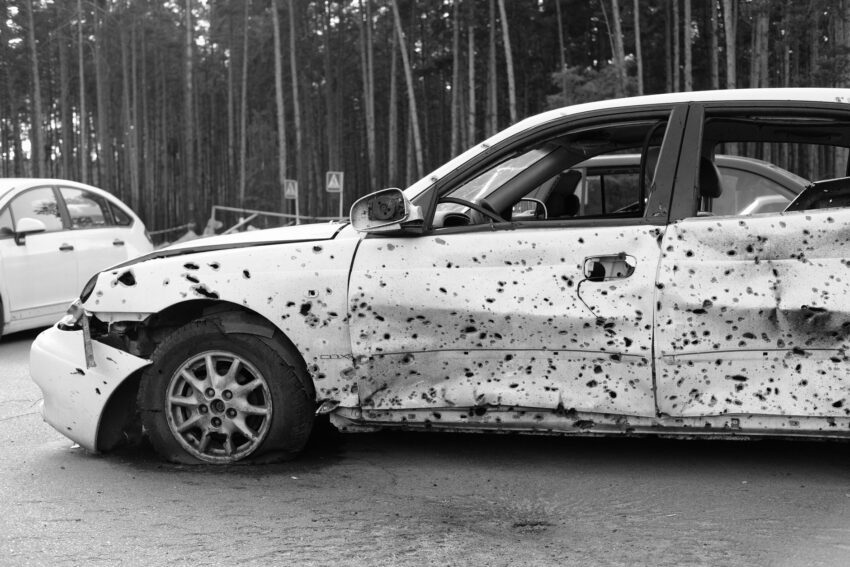
One minute you’re driving, minding your own business, maybe singing along to a terrible pop song on the radio. The next? A sickening crunch, the screech of tires, and the world seems to tilt on its axis. Your heart pounds, adrenaline surges, and suddenly you’re staring at crumpled metal, broken glass, and the terrifying reality of a car accident. What do you do next?
The immediate aftermath of a car crash is chaotic, disorienting, and frankly, pretty scary. It’s easy to feel overwhelmed, to just want to get home and forget it ever happened. But here’s the thing: the steps you take in those critical hours and days following an accident can dramatically impact your ability to recover – not just physically and emotionally, but financially too. As someone who has spent years helping people navigate this difficult terrain, I can tell you that getting the compensation you deserve isn’t just about covering your medical bills; it’s about reclaiming your life.
Let’s talk about how to protect yourself and ensure you’re in the best possible position for maximum compensation after a collision. Because believe me, the insurance companies aren’t looking out for your best interests. You need to be.
Immediate Steps at the Scene: Don’t Panic, Document Everything
Look, I know “don’t panic” is easier said than done when your car looks like a crushed soda can. But taking a few deep breaths and focusing on these initial actions is crucial.
Safety First, Always
Your top priority is your safety and the safety of others. If possible and safe to do so, move your vehicle to the side of the road. Turn on your hazard lights. Check on yourself and any passengers. If anyone is seriously injured, call 911 immediately. Don’t try to be a hero and move someone with a suspected spinal injury.
Call the Police
Even if it seems like a minor fender bender, call the police. An official police report is an invaluable piece of evidence. It documents the facts, who was involved, and often assigns fault, which can be critical down the line. I’ve seen countless cases where someone thought, “Oh, it’s just a scratch,” only for injuries to surface days later, and without a police report, proving the accident even happened becomes a nightmare.
Gather Information and Document, Document, Document!
- Exchange Information: Get the other driver’s name, contact information, insurance company and policy number, driver’s license number, and license plate number. Do the same for any other vehicles involved.
- Witnesses: Did anyone see what happened? Get their names and contact information. Independent witnesses are gold.
- Take Photos and Videos: This is where modern smartphones are a lifesaver. Take pictures from every angle. Get photos of:
- Damage to all vehicles involved (close-ups and wide shots).
- The position of the vehicles.
- Skid marks, road debris, traffic signs, and any relevant road conditions.
- Visible injuries on yourself or passengers.
- The weather conditions.
I remember a client once came to me distraught because the other driver was claiming our client ran a red light. But my client had snapped a quick photo of the intersection right after the crash, and in the background, you could clearly see the opposing traffic light was still red. That one photo saved her case.
Seek Medical Attention Immediately – No Exceptions
This is probably the single most important piece of advice I can give you. Even if you feel fine, even if you think you just have a bump or bruise, go see a doctor. Go to urgent care, an emergency room, or your primary care physician. Why?
- Hidden Injuries: Adrenaline is a powerful thing. It can mask pain and symptoms for hours, even days. Whiplash, concussions, internal injuries, and soft tissue damage often don’t present immediately. Delaying treatment can exacerbate these issues.
- Documentation for Your Case: This is critical for your legal claim. If there’s a gap between the accident and your first medical visit, the insurance company will jump all over it. They’ll argue your injuries weren’t caused by the accident, or that you made them worse by not seeking prompt care. There’s nothing more frustrating than fighting an insurance adjuster who claims your neck pain three days after the crash isn’t related because you didn’t go straight to the ER.
Dealing with Insurance Companies: They’re Not Your Friend
The truth is, insurance companies are businesses. Their goal is to pay out as little as possible. Your goal is to get fair compensation. These two goals are fundamentally at odds.
Don’t Give Recorded Statements
You’ll likely get a call from the other driver’s insurance adjuster pretty quickly. They might sound friendly, even sympathetic. They’ll ask for a recorded statement. Do not give one without consulting with a lawyer first. Anything you say can and will be used against you to devalue your claim. You might innocently say, “I feel okay,” unaware of a developing injury, and they’ll try to hold you to that later.
Be Careful What You Say
Limit your communication with insurance adjusters. Stick to the facts you gathered at the scene. Do not speculate, do not admit fault, and do not discuss your injuries in detail beyond what’s absolutely necessary (e.g., “I’m seeking medical treatment for injuries sustained in the accident”).
Why You Need a Personal Injury Lawyer: Leveling the Playing Field
This isn’t just me trying to drum up business; it’s a genuine conviction born from years of experience. Trying to handle a significant car accident claim on your own against an insurance company is like bringing a butter knife to a gunfight. They have teams of lawyers, adjusters, and resources dedicated to minimizing their payouts.
Understanding the Legal Complexities
Car accident law can be incredibly complex. There are statutes of limitations, rules of evidence, comparative negligence laws, and often multiple insurance policies involved. What most people miss is how many different types of damages you might be entitled to beyond just property repair and medical bills.
Valuing Your Claim Accurately
How do you put a price on pain and suffering? What about lost wages if you can’t work? Future medical treatments? A good lawyer knows how to calculate the full scope of your damages, both economic and non-economic, to ensure you don’t leave money on the table. I’ve seen clients accept quick, lowball settlements only to realize later they’re facing years of physical therapy or lost income that far exceeds what they received.
Negotiation and Litigation
Insurance companies are far more likely to offer a fair settlement when they know you have an experienced attorney on your side. If negotiations fail, your lawyer is prepared to take your case to court. That threat alone often compels insurers to be more reasonable.
Common Mistakes That Can Hurt Your Claim
Beyond the insurance company traps, here are a few self-inflicted wounds I’ve seen derail otherwise strong cases:
- Delaying or Skipping Medical Care: As I said, this is a killer for your claim. Consistency and adherence to medical advice are key.
- Posting on Social Media: Seriously, just don’t do it. Anything you post – photos of you smiling at a party, comments about feeling “fine” – can be twisted by the defense to argue you’re not as injured as you claim. Assume everything you post is discoverable.
- Repairing Your Vehicle Too Soon: While you need your car fixed, make sure all damage is thoroughly documented before repairs begin. Sometimes hidden damage is found later.
- Settling Too Early: Insurance companies love to offer a quick settlement before you even know the full extent of your injuries or financial losses. Be patient.
Maximizing Your Compensation: What Your Lawyer Fights For
When you have a skilled personal injury attorney working for you, they’re not just aiming to cover your immediate costs. They’re looking at the full picture of how this accident has impacted your life and will continue to do so.
Economic Damages
These are the quantifiable financial losses:
- Medical Expenses: Past, present, and future medical bills, including doctor visits, hospital stays, prescriptions, physical therapy, and assistive devices.
- Lost Wages: Income you’ve lost due to being unable to work, both currently and potentially in the future if your injuries cause long-term disability.
- Property Damage: Repair or replacement costs for your vehicle and any other damaged personal property.
- Out-of-Pocket Expenses: Think transportation to appointments, childcare, or even costs for household tasks you can no longer perform.
Non-Economic Damages
These are more subjective but incredibly important:
- Pain and Suffering: Physical pain and discomfort, both acute and chronic.
- Emotional Distress: Anxiety, depression, PTSD, fear, and other psychological impacts.
- Loss of Enjoyment of Life: Inability to participate in hobbies, recreational activities, or daily functions you once enjoyed.
- Loss of Consortium: Damages for how the injury affects your relationship with your spouse.
The aftermath of a car accident is never easy. It’s a stressful, often painful journey. But by taking the right legal steps, documenting everything, prioritizing your health, and entrusting your case to an experienced personal injury attorney, you significantly increase your chances of securing the maximum compensation you deserve. Don’t go it alone. You’ve been through enough.
Frequently Asked Questions About Car Accident Claims
Q1: How long do I have to file a claim after a car accident?
A: This varies significantly by state, but it’s called the “statute of limitations.” In many states, you have two or three years from the date of the accident to file a personal injury lawsuit. However, there can be exceptions, especially if a government entity is involved. My advice? Don’t wait. The sooner you act, the stronger your case will be.
Q2: What if the other driver was uninsured or underinsured?
A: This is a common concern. If you have Uninsured/Underinsured Motorist (UM/UIM) coverage on your own policy, you can make a claim through your insurance company. This is why I always recommend carrying robust UM/UIM coverage; it’s an essential safeguard.
Q3: Will I have to go to court?
A: Not necessarily. The vast majority of car accident cases settle out of court through negotiation. However, if a fair settlement can’t be reached, your lawyer will advise you on whether going to court is the best strategy to get you the compensation you deserve.
Q4: How much does a personal injury lawyer cost?
A: Most personal injury lawyers work on a contingency fee basis. This means you don’t pay any upfront fees. Your lawyer only gets paid if they win your case, and their fee is a percentage of the final settlement or award. This arrangement makes quality legal representation accessible to everyone, regardless of their financial situation.
Q5: Can I still get compensation if I was partly at fault?
A: It depends on your state’s laws. Many states follow “comparative negligence” rules. In some, like pure comparative negligence states, you can still recover damages even if you were 99% at fault, though your compensation will be reduced by your percentage of fault. Other states have “modified comparative negligence” rules, where you can’t recover if you’re above a certain percentage of fault (e.g., 50% or 51%). This is precisely where having a lawyer is crucial; they understand these nuances.