Ever had one of those days where your nerves are just humming, buzzing like an angry hornet’s nest inside your chest? Maybe it’s the endless to-do list, a tough conversation, or just the general relentless pace of modern life. When that happens, what’s your go-to? A hot cup of tea? A walk? Or, like many of us, do you instinctively reach for yourself – maybe rub your temples, cross your arms, or even just rest a hand over your heart?
Here’s the thing: that last one, that unconscious act of self-touch, isn’t just a random gesture. It’s your body’s innate wisdom kicking in, tapping into what I like to call your personal “Touch Map.” It’s a powerful, often overlooked tool for calming your nervous system and boosting your sense of well-being, available to you 24/7, no appointment necessary. And trust me, once you start exploring it consciously, it can be absolutely transformative.
What Exactly is Your Body’s Touch Map?
Think of your body as a landscape, and certain areas are like special comfort zones, directly wired to your brain and nervous system in unique ways. A gentle stroke on your forearm feels different, and elicits a different response, than a firm rub on your shoulders or a soft touch to your face. Each spot, each type of touch, sends distinct signals. When we learn to identify these spots and how to apply intentional, comforting touch, we unlock a direct pathway to our inner calm.
The truth is, we’re hardwired for touch. From the moment we’re born, skin-on-skin contact is crucial for development and bonding. As adults, that need doesn’t just disappear. What most people miss is that we don’t always need another person to provide it. We can give ourselves incredibly potent, soothing touch.
I’ve found this incredibly useful in my own life. There have been countless times, especially when I’m feeling overwhelmed or anxious before a big presentation, that a simple hand on my chest or a gentle massage of my earlobes brings me back to center. It’s not magic, it’s biology – stimulating the vagus nerve, releasing oxytocin, and downregulating the sympathetic (fight-or-flight) nervous system. Sounds complicated, right? But the actual practice is anything but.
Mapping Your Comfort Zones: A Guided Tour
Let’s take a little journey through your personal touch map. As you read through these, try them out. Pay attention to how each feels, and what sensations arise in your body. You’ll likely find certain areas resonate more deeply for you than others.
The Head & Face: Cranial Calm
Our face is incredibly rich in nerve endings, making it super sensitive to touch. A gentle touch here can be profoundly calming.
- Forehead & Temples: When stress starts to build, I often feel it right behind my eyes. Placing the pads of your fingers on your temples and gently massaging in small circles can release tension almost immediately. A light, upward stroke from the bridge of your nose over your forehead can also be incredibly soothing.
- Ears: This might sound a bit odd, but try gently pulling on your earlobes or giving your outer ear a soft massage with your thumb and forefinger. It’s incredibly grounding, and many reflexology points are located here.
- Jawline: We hold so much tension in our jaw. Take a moment to gently rub along your jawline, feeling for any tight spots. You might be surprised by how much relief this brings.
Neck & Shoulders: Releasing the Burden
This is where many of us carry the weight of the world, isn’t it? Stiffness and tension here are practically universal.
- Shoulder Squeeze: Use one hand to firmly yet gently squeeze and knead the muscles on the opposite shoulder. Move your fingers around, finding those knots and applying just enough pressure to feel a release, not pain. Repeat on the other side.
- Neck Strokes: With your fingertips, gently stroke downwards from the base of your skull along your neck, towards your shoulders. Focus on a slow, deliberate pace. This is wonderful for relaxing those overworked trapezius muscles.
Chest & Abdomen: The Core of Comfort
This is prime real estate for self-soothing. Think about how babies are comforted by being held close to a parent’s chest.
- Hand Over Heart: This is a classic for a reason. Simply placing one or both hands over your heart space, taking a few deep breaths, and feeling the rise and fall of your chest can be instantly calming. It’s like giving yourself a hug from the inside out.
- Gentle Belly Rubs: Your gut is often called your “second brain” for good reason. It’s packed with nerve endings. A gentle, circular massage on your abdomen, especially clockwise, can aid digestion and soothe nervous energy.
Arms & Hands: Self-Holding & Connection
Our hands are our primary tools for interacting with the world, and they’re incredibly sensitive. They also offer a powerful way to give *yourself* a sense of being held.
- Forearm Strokes: Use the palm of one hand to slowly, gently stroke down the inner forearm of the other, from elbow to wrist. Repeat a few times. This area is rich in C-tactile fibers, which respond particularly well to slow, light touch, sending soothing signals to the brain.
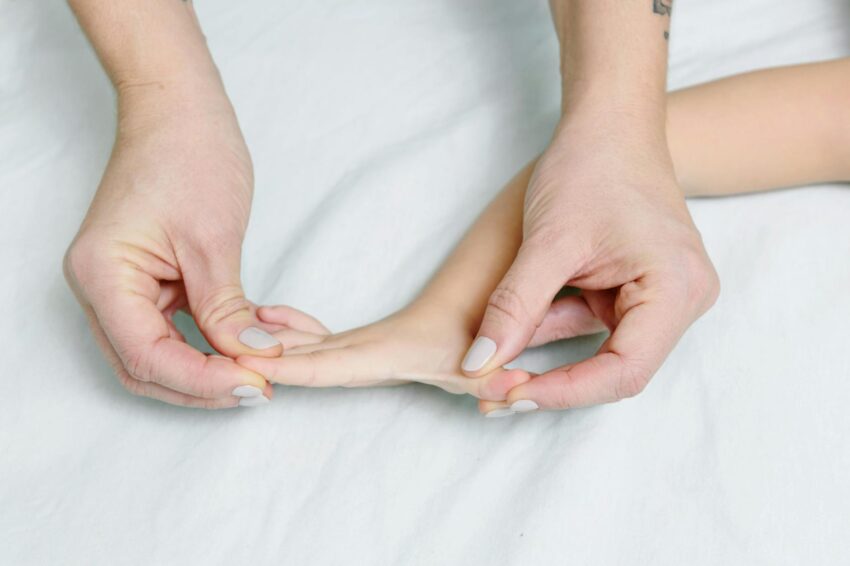
- Hand Massage: Take one hand and massage the palm of the other with your thumb, working into the fleshy parts. Gently pull each finger, giving it a little squeeze. Intertwine your fingers, giving yourself a sense of holding.
Legs & Feet: Grounding & Release
When you’re feeling scattered or overwhelmed, connecting with your lower body can bring a powerful sense of grounding.
- Calf & Shin Strokes: If you can comfortably reach, gently stroke down your calves and shins. The long, downward motion can feel very reassuring and help release tension stored in your legs.
- Foot Massage: Give yourself a mini foot massage. Use your thumbs to rub the soles of your feet, paying attention to any tender spots. Roll your ankles. Our feet carry us through life; acknowledging them with touch is a wonderful act of self-care.
Integrating Your Touch Map into Daily Life
Now, you don’t need to do all of these every day. The beauty of your touch map is that it’s highly personal. Your job is to explore and discover which points and techniques resonate most with you in different moments. Start small.
- Morning Ritual: Instead of immediately grabbing your phone, spend five minutes gently massaging your temples or stroking your forearms. Set an intention for calm.
- Stress Spot Checks: When you feel a surge of anxiety or frustration, pause. Ask yourself, “Where in my body am I feeling this? What kind of touch might help?” Maybe it’s a hand over your heart during a difficult email, or a quick earlobe rub before a phone call.
- Before Bed: A gentle foot or hand massage can be a lovely way to signal to your body that it’s time to wind down.
What I’ve noticed is that the consistency matters more than the duration. Little moments of intentional, soothing touch throughout your day can accumulate, significantly shifting your overall baseline of calm. It’s not about fixing everything instantly; it’s about building a consistent practice of self-regulation that empowers you.
Look, life is going to throw curveballs. Our nervous systems are going to get activated. But having this personal touch map, knowing where your body holds its comfort and calm, gives you an incredibly powerful, accessible tool to navigate those moments. It’s a testament to the innate wisdom of our bodies, and I genuinely believe it’s one of the simplest, most profound ways we can care for ourselves daily.
Frequently Asked Questions About Touch and Calm
Q1: Is there a “right” way to touch myself for comfort?
A: Not really! The “right” way is whatever feels good and calming to *you*. Experiment with different pressures (light, firm), speeds (slow, quick), and areas. Pay attention to your body’s feedback. The goal is to induce a sense of safety and relaxation, so trust your instincts.
Q2: How long should I spend on these self-touch practices?
A: Even just a few seconds can make a difference. A quick hand over your heart for three deep breaths, or a minute of gentle temple massage, can be highly effective. If you have more time, say 5-10 minutes, you can explore several areas. Consistency is more important than duration.
Q3: Can this replace professional therapy or medical treatment for anxiety?
A: Absolutely not. While self-touch is a fantastic complementary tool for managing stress and boosting daily calm, it’s not a substitute for professional help for anxiety disorders, depression, or other mental health conditions. Always consult with a healthcare professional for serious concerns.
Q4: What if I don’t feel anything, or it feels awkward at first?
A: That’s completely normal! Many of us aren’t used to giving ourselves this kind of intentional, nurturing touch. It might feel a bit strange initially. Keep practicing gently and without judgment. Over time, as your body becomes accustomed to these signals, you’ll likely notice the soothing effects more readily.
Q5: Can I use these techniques to help my children or pets?
A: Yes, many of these principles apply! Gentle, intentional touch is incredibly beneficial for children and animals too. For children, a forehead stroke, a gentle back rub, or holding their hand can be very comforting. For pets, slow, deliberate strokes in areas they enjoy can help calm them. Always be mindful of their comfort and boundaries.