Ever looked around your home and wondered if it could truly grow with you? Not just through a coat of paint here or a new sofa there, but fundamentally adapt to every twist and turn your life throws at you? Because, let’s face it, life rarely stays static. We start single, maybe we pair up, then kids arrive, they grow up and leave, perhaps aging parents need care, and eventually, we ourselves are looking for comfort and ease in our later years.
The truth is, our homes are often our biggest investment, both financially and emotionally. Yet, so many of us buy a house for a specific moment in time, without really thinking about its long-term potential. What most people miss is that a truly great home isn’t just a shelter; it’s a living, breathing space that should evolve right alongside you. It’s about foresight, smart design, and a little bit of imagination.
I’ve seen it time and again in my real estate career: clients who regret not thinking ahead, and those who absolutely thrive because they built flexibility into their home from day one. It’s not about constant, expensive renovations. It’s about making thoughtful choices that can save you a ton of stress, money, and heartache down the road. Let’s explore how we can adapt our homes for every stage of life.
The Early Years: Nesting & Growing
From Starter Home to Family Hub
Ah, the early days! Maybe you’re a young couple, buying your first place together, or you’ve just welcomed your first little bundle of joy. Suddenly, that cute two-bedroom bungalow feels a lot smaller, and every sharp corner looks like a potential hazard. This stage is all about creating a safe, functional, and flexible environment.
My friend Sarah and her husband, Mark, bought a lovely open-plan house, perfect for entertaining. Then their twins arrived. Overnight, their sleek, minimalist living room needed to transform into a playpen with soft surfaces, and those beautiful, low-slung coffee tables became baby head magnets. They quickly realized the importance of furniture that could be moved easily, storage solutions that hid away mountains of toys, and gates that could be installed without damaging doorframes. What they initially loved about the open concept later became a challenge to childproof effectively without feeling like they were living in a padded cell!
Here’s the thing: think about versatile spaces. Can your dining room double as a homework station? Is there a corner of the living room that can be cordoned off for play? Good storage is non-negotiable. Built-ins are fantastic, but even clever shelving and attractive baskets can make a world of difference. And for goodness’ sake, make sure the flooring can withstand spills! That plush white carpet might look luxurious now, but wait until a toddler gets hold of a juice box.
Mid-Life: Evolution & Adaptation
The Empty Nest & Beyond
Fast forward a couple of decades. The kids are grown, perhaps off to college or starting their own lives. Suddenly, those once bustling rooms are quiet. This is a fantastic opportunity to reclaim your space!
I’ve seen many clients transform former kids’ rooms into fantastic home offices, serene yoga studios, or dedicated hobby spaces. One couple I worked with, the Millers, turned their youngest son’s room into an incredible art studio for Mrs. Miller, who had always dreamed of having a dedicated creative space. They added better lighting, a utility sink, and durable flooring, truly making it her own. It wasn’t just a renovation; it was an investment in her happiness and passion.
It’s also a great time to think about guest accommodations. Maybe you want a comfortable space for returning adult children or visiting friends. A pull-out sofa or a Murphy bed can be a brilliant solution for a flex room. Now, too, is a perfect moment to consider whether your current layout still serves your social life. Perhaps you want a more intimate entertaining space, or a larger kitchen island for casual gatherings.
Caring for Loved Ones
This mid-life stage can also bring the unique challenge and privilege of caring for aging parents or other family members. Multi-generational living is becoming increasingly common, and our homes need to be ready.
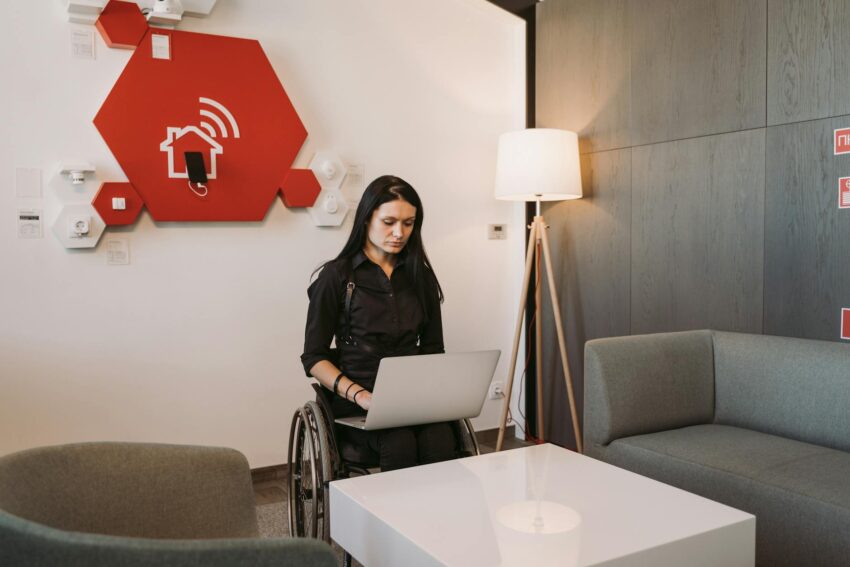
This might mean creating a dedicated suite on the main floor, ensuring easy access to a bathroom, or even thinking about wider doorways if a wheelchair or walker might be needed down the line. Installing a main-floor bathroom with a walk-in shower is an investment that pays dividends for both accessibility and resale value. My own aunt recently moved in with my cousin, and the biggest hurdle wasn’t personality clashes, but simply navigating a multi-level home. They ended up converting a rarely used formal dining room into a bedroom and installing a roll-in shower in the adjacent powder room. It was a significant project, but it gave everyone peace of mind.
The Golden Years: Comfort, Safety & Independence
Aging in Place Gracefully
As we move into our golden years, the focus shifts even more acutely to comfort, safety, and maintaining independence. The goal is to “age in place” – to live in your own home for as long as possible, without feeling limited by its design.
The truth is, many people wait until an accident happens or mobility becomes a serious issue before making changes. Don’t be that person! Thinking proactively can make all the difference. Simple things like grab bars in bathrooms, non-slip flooring, and improved lighting are easy wins. Consider lever-style door handles instead of knobs, which are easier for arthritic hands. A main-floor bedroom and bathroom become invaluable. If stairs are an issue, a stairlift is an option, but ideally, you want to minimize the need for them.
Smart home technology can also play a huge role here: voice-activated lights, smart thermostats, and even security systems that monitor for falls can provide incredible peace of mind for both residents and their families. I’ve heard wonderful stories of people staying in their cherished homes for years longer than they thought possible, simply because they made these thoughtful adaptations.
Key Principles for Adaptable Homes
Flexibility is King
When you’re looking for a home, or planning a renovation, always ask: how flexible is this space? Can a wall be added or removed easily? Can a room serve multiple purposes? Modular furniture, sliding barn doors, and pocket doors can all contribute to a more adaptable layout.
Think Universal Design
This isn’t just for aging. Universal design means creating spaces that are accessible and usable by everyone, regardless of age, ability, or mobility. We’re talking wider doorways (at least 36 inches), zero-threshold entries into showers and possibly the home itself, good contrast in colors for visibility, and controls at accessible heights. It makes life easier for parents with strollers, someone with a temporary injury, and yes, for us as we get older.
Prioritize What Matters
Ultimately, your home should support your lifestyle, your health, and your relationships. If you love to cook, invest in a kitchen that works for you now and in the future. If you value quiet contemplation, ensure you have a peaceful nook. What’s important to you will evolve, and your home should have the bones to evolve with it.
It’s Not Just About Renovations
Look, adapting your home doesn’t always mean tearing down walls or spending a fortune. Sometimes it’s about smart decor choices, decluttering, or even just rearranging furniture. A well-placed rug can define a play area. Strategic lighting can highlight a reading nook. Removing unnecessary obstacles can instantly make a path safer. It’s about being mindful and intentional with your space.
In my experience, the homes that truly stand the test of time are those where the owners have embraced this philosophy of adaptability. They see their home as a partner in their life’s journey, not just a static backdrop. By thinking ahead and making thoughtful choices, you can create a home that truly allows you to live better, longer, and with far more joy at every stage.
FAQ: Adapting Your Home for Life’s Stages
Q1: What are the most cost-effective adaptations for aging in place?
A: The most cost-effective changes often involve improving safety and accessibility. Think about installing grab bars in bathrooms, adding brighter lighting, removing throw rugs to prevent falls, installing non-slip strips in tubs/showers, and updating door handles to lever styles. These can be done incrementally without major renovation costs.
Q2: How can I make my home more flexible without major renovations?
A: Focus on multi-functional furniture like ottomans with storage, sofa beds, or modular shelving. Use room dividers (screens, large plants, or even open bookshelves) to create zones within open-plan spaces. Good organization systems and decluttering also free up space and allow for easier rearrangement.
Q3: When is the best time to start thinking about future home adaptations?
A: Honestly, the best time is always now. Even if you’re young, incorporating principles of universal design into any remodel or new purchase can save you headaches later. For specific aging-in-place modifications, it’s ideal to plan and implement them before they become an urgent necessity, allowing you to make well-thought-out choices rather than rushed decisions after a fall or health event.
Q4: What should I prioritize if I have a limited budget for home adaptations?
A: Prioritize safety and critical access. This means ensuring safe entry/exit to the home, a functional main-floor bathroom (even if it’s just a powder room with grab bars), and clear, well-lit pathways throughout the most used areas. Addressing potential fall hazards should always be at the top of the list.
Q5: Is it better to adapt my current home or move to a more suitable one for future needs?
A: This is a highly personal decision. Adapting your current home often allows you to stay in a familiar neighborhood with established social connections, which is a huge benefit. However, if your home has significant structural challenges (e.g., multiple levels with no space for an elevator, very small rooms), or if the cost of adaptation is prohibitive, moving might be a more practical and financially sound option. It’s wise to consult with a general contractor or an occupational therapist who specializes in home modifications to get a realistic assessment of your current home’s potential.