Do you ever feel like you’re drowning in a sea of information, yet somehow still not truly understanding what’s going on in the world? One minute it’s a new geopolitical crisis, the next a shifting economic landscape, then a scientific breakthrough, all swirling together in a dizzying current of headlines and soundbites. It’s overwhelming, isn’t it?
I know that feeling well. For years, I found myself skimming news articles, watching quick explainers, and still feeling a profound lack of depth. Like I was only ever seeing the tip of a colossal iceberg, never quite grasping the intricate, interconnected systems beneath the surface. And let’s be honest, complex global issues and current events are colossal icebergs. They demand more than a casual glance; they require careful, structured exploration.
Here’s the thing: in our fast-paced world, staying informed and truly understanding global dynamics isn’t just a nice-to-have; it’s a necessity. It empowers us to make better decisions, engage more meaningfully in our communities, and even just navigate our daily lives with greater clarity. And that’s precisely where e-learning has emerged as an incredibly potent tool, transforming how we can unpack these dense, often perplexing topics.
Why Traditional Learning Often Falls Short (and Why E-Learning Steps Up)
Think about it. Our traditional education systems, while foundational, often struggle to keep pace with the sheer speed and complexity of the modern world. University courses are fantastic, but they can’t pivot on a dime to address the latest conflict or economic shift. News outlets, while vital, often prioritize immediacy over comprehensive historical context or multiple perspectives.
The News Cycle’s Whirlwind
The truth is, the 24/7 news cycle, for all its benefits, can feel like trying to drink from a firehose. You get a blast of information, then another, then another, often without the necessary background to contextualize it all. I’ve personally felt the fatigue of trying to piece together a coherent understanding of, say, the intricacies of the global supply chain solely from daily news reports. It’s like reading individual chapters from a hundred different books, out of order.
E-learning, on the other hand, offers a different approach. It provides curated, structured pathways. Instead of fragments, you get a roadmap. It’s designed to build knowledge systematically, often from experts who dedicate their lives to these very subjects. This agility and depth are what make it so powerful when it comes to volatile global events.
Beyond the Headlines: The Need for Depth
What most people miss is that understanding a global issue isn’t just about knowing *what* happened; it’s about understanding *why* it happened, *who* is affected, *what* the historical roots are, and *what* the potential future implications might be. That’s a tall order for a 5-minute news segment or a quick article.
I recall trying to grasp the nuances of climate change policy a few years back. The news would report on new regulations or international summits, but I wanted to understand the scientific consensus, the economic trade-offs, the ethical dilemmas, and the varying national interests. It wasn’t until I enrolled in an online course that offered modules dedicated to each of these facets that I truly felt I was gaining a comprehensive grasp. That’s the depth e-learning can provide.
The E-Learning Edge: How It Unpacks Complexity
So, how exactly does e-learning cut through the noise and offer this profound understanding?
Curated Pathways to Clarity
Imagine wanting to understand the history of the Israeli-Palestinian conflict. You could spend months sifting through books, documentaries, and articles, trying to piece together a coherent narrative. Or, you could take an expertly designed e-learning course that presents the historical timeline, the key players, the differing perspectives, and the evolving dynamics in a structured, digestible format. These courses are often crafted by academics, former diplomats, or journalists who have spent decades immersed in these topics. Their ability to synthesize vast amounts of information into a logical learning journey is invaluable.
Diverse Voices, Global Perspectives
One of the most exciting aspects of e-learning, to me, is its ability to bring together a multitude of voices and perspectives from across the globe. When you’re trying to understand, say, the impact of a specific economic policy, it’s not enough to hear from one national expert. You need to hear from economists in different regions, from people on the ground experiencing the effects, and from policymakers with different political ideologies. Online platforms allow for this kind of rich, multicultural dialogue and instruction, often featuring instructors and guest speakers from various countries and backgrounds. This exposure is absolutely critical for developing a truly nuanced global perspective.
Interactive Tools for Deeper Understanding
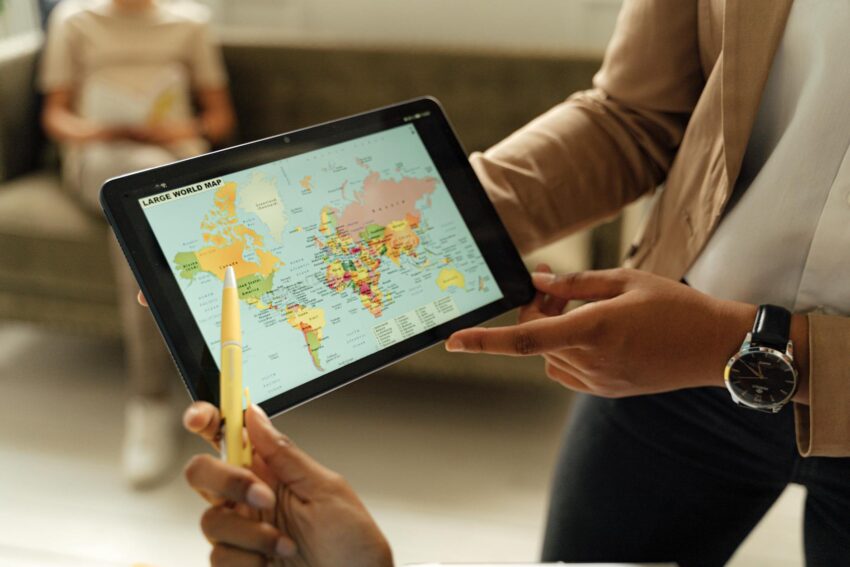
E-learning isn’t just about watching videos and reading texts anymore. It’s evolved dramatically. Many platforms now incorporate interactive simulations that allow you to explore economic models or geopolitical scenarios. There are discussion forums where you can debate with peers from different cultures, bringing fresh insights to the table. Some courses even offer virtual field trips or data visualization tools that transform abstract concepts into tangible experiences. I’ve seen courses that use interactive maps to show migration patterns over centuries, instantly making a complex demographic shift far more understandable than any static graph ever could.
Learning at Your Own Pace, On Your Own Terms
Let’s be honest, life is busy. Traditional classrooms demand fixed schedules that many of us simply can’t accommodate. This is where e-learning truly shines. It offers unparalleled flexibility. Whether you’re a working professional, a parent, or someone juggling multiple commitments, you can engage with the material when it suits you best – late at night, early in the morning, or during a lunch break. This flexibility isn’t just convenient; it allows for sustained engagement, which is crucial when tackling topics that require deep thought and reflection over time. You can pause, rewind, re-read, and truly absorb the material without feeling rushed.
Putting It Into Practice: What to Look For in E-Learning
So, if you’re ready to dive in, what should you keep in mind?
Credibility and Content Depth
Always check the credentials of the instructors and the institutions backing the course. Is it from a reputable university, a recognized think tank, or a well-regarded expert in the field? Look for courses that cite their sources and encourage critical thinking rather than just presenting a single narrative. The goal is robust understanding, not just surface-level information.
Community and Discussion
Some of the most enriching e-learning experiences come from interacting with fellow learners. Look for platforms that foster active discussion forums, peer reviews, or even live Q&A sessions. Hearing diverse perspectives from people around the world can illuminate aspects of an issue you might never have considered.
Practical Application
Does the course encourage you to think about solutions, policy implications, or how these issues connect to your own life and community? The best e-learning for global issues doesn’t just inform; it inspires engagement and empowers you to act, even if that action is simply being a more informed citizen.
Ultimately, e-learning isn’t just about acquiring facts; it’s about developing a sophisticated understanding of our interconnected world. It’s about moving from feeling overwhelmed to feeling empowered, from passively consuming news to actively engaging with the ideas that shape our future. It’s a journey, and with the right e-learning tools, it’s a journey we can all take with confidence.
Frequently Asked Questions
Is e-learning really as effective as traditional classroom learning for complex topics?
Absolutely, often even more so for certain individuals and topics! While in-person interaction has its unique benefits, e-learning excels in providing curated, expert-led content that’s highly flexible. For complex global issues, the ability to pause, re-watch, engage with interactive tools, and access diverse perspectives from around the world can actually offer a deeper, more personalized learning experience than a fixed classroom setting.
How do I choose the *right* e-learning platform or course?
Start by identifying your specific area of interest – is it climate policy, international relations, global economics, or something else? Then, look for platforms known for quality content, often associated with universities (like Coursera, edX, or university-specific online programs) or reputable educational organizations. Check instructor credentials, read reviews, and look at the course syllabus to ensure it covers the depth and breadth you’re seeking.
Can e-learning help me stay current with *rapidly changing* global events?
Yes, definitely! While a structured course might not update daily, many e-learning platforms offer shorter “specialization” courses, webinars, or even ongoing subscription-based content that addresses current events. Furthermore, the foundational knowledge you gain from a comprehensive e-learning course will equip you to better understand and contextualize new developments as they unfold in the news cycle, making you a much more informed observer.
What if I don’t have a lot of time?
That’s one of e-learning’s biggest advantages! Most online courses are designed for self-paced learning. You can often dedicate as little as an hour or two a week, fitting it into your schedule whenever you have a free moment. Many courses are broken down into short modules or video lectures, making it easy to learn in bite-sized chunks without feeling overwhelmed.
Are there free e-learning resources for global issues?
Absolutely! Many reputable institutions offer free courses or open educational resources (OERs). Platforms like Coursera and edX often allow you to “audit” courses for free, meaning you get access to most of the learning materials without certification. YouTube channels from universities or news organizations, podcasts by experts, and even specific non-profit educational websites can provide excellent, free content for understanding global issues.