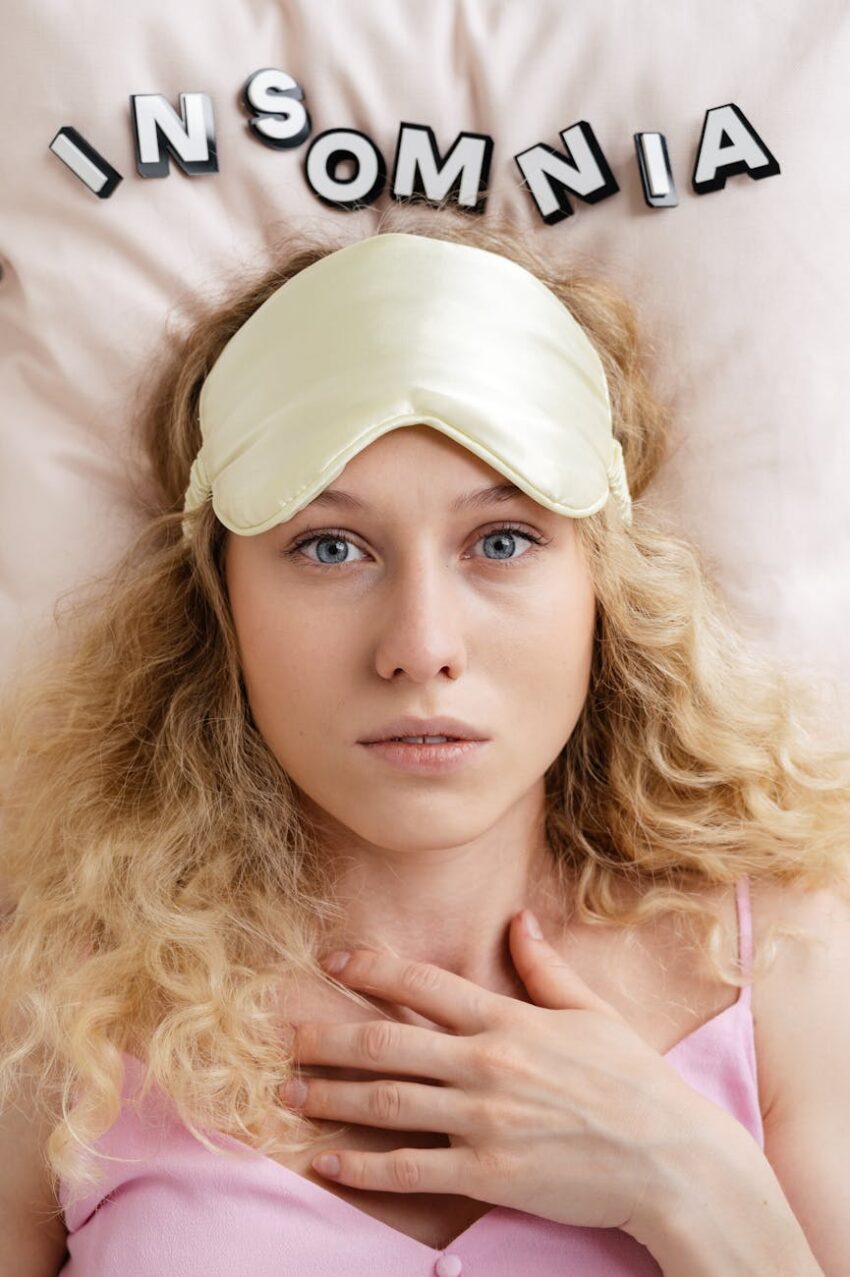
Ever woken up feeling like you’ve been hit by a truck, immediately craving something sweet, salty, and utterly devoid of nutritional value, all while battling an inexplicable urge to snap at anyone who dares to speak before your first coffee? Yeah, you know the feeling. We’ve all been there. It’s that tell-tale sign of a rough night’s sleep, and it’s a lot more common – and impactful – than most people realize.
For years, I treated sleep as a luxury, something I could sacrifice in pursuit of more work, more fun, more… anything. I’d burn the candle at both ends, fueling my days with caffeine and sugary snacks, then wonder why I felt perpetually exhausted, irritable, and constantly battling cravings. What I’ve come to realize, both personally and through years of helping others navigate their wellness journeys, is that sleep isn’t just about feeling rested. It’s the foundational pillar that impacts everything from our mood and focus to, perhaps most surprisingly, our food choices and cravings.
The truth is, your sleep habits aren’t just influencing how many times you hit the snooze button. They’re profoundly shaping the landscape of your daily appetite and emotional well-being. Let’s dig into why.
The Science Behind the Slump: Hormones and Hunger
When we skimp on sleep, our body’s internal chemistry goes a little haywire. It’s not just a vague sense of fatigue; there are specific hormonal changes at play that directly impact your hunger and satiety signals. Here’s the thing: your body is incredibly smart, but also incredibly primal. When it thinks it’s in a state of deprivation (like sleep deprivation), it goes into survival mode.
First up, we have our hunger hormones: ghrelin and leptin. Ghrelin is often called the “hunger hormone” because it stimulates appetite. Leptin, on the other hand, is the “satiety hormone” – it tells your brain when you’re full. When you don’t get enough sleep, your ghrelin levels tend to spike, making you feel hungrier, while your leptin levels drop, meaning you don’t feel as full, even after eating. It’s a double whammy, pushing you to eat more and more frequently.
Then there’s cortisol, our primary stress hormone. A poor night’s sleep is a stressor for your body, leading to elevated cortisol levels. High cortisol can increase your appetite, especially for high-calorie, sugary, and fatty foods. It’s your body’s way of trying to get quick energy to deal with the perceived stress. I can tell you, I’ve seen this pattern countless times: clients who are chronically underslept often report feeling “stressed” and immediately reaching for comfort foods – the very ones high in sugar and fat.
Why You Crave That Donut (Not a Salad)
So, why do we specifically crave things like cookies, chips, or a greasy burger instead of, say, a crisp apple or a leafy green salad when we’re tired? It’s not just about willpower (or lack thereof). Your brain, when sleep-deprived, is looking for the quickest, most efficient source of energy. Simple carbohydrates and sugars provide that immediate hit. They give your brain a temporary boost, which feels good in the short term, even if it leads to a crash later.
What most people miss is that lack of sleep also impairs your prefrontal cortex – the part of your brain responsible for executive functions like decision-making, impulse control, and problem-solving. So, when you’re tired, your ability to resist that chocolate bar staring you down from the convenience store shelf is significantly diminished. You’re literally less able to make good choices for yourself, even when you know better.
Mood Swings and Sleep Deprivation: A Vicious Cycle
Beyond the physical cravings, sleep deprivation wreaks havoc on your emotional landscape. Have you ever noticed how much more irritable, impatient, or just plain grumpy you are after a bad night? It’s not your imagination. Lack of sleep directly impacts your mood, making you more prone to anxiety, stress, and even feelings of sadness.
The connection here is multifaceted. When you’re tired, your emotional regulation takes a hit. Small frustrations can feel like monumental crises. Your patience wears thin, and you might find yourself overreacting to minor annoyances. I remember one particular week when I was burning the midnight oil on a big project. By Thursday, I was so sleep-deprived that a spilled coffee felt like the end of the world. My partner, bless her heart, knew immediately I hadn’t been sleeping well because my usual calm demeanor had completely evaporated.
The Emotional Eating Connection
This brings us to a crucial point: emotional eating. When we’re feeling stressed, anxious, or just plain down because of sleep deprivation, food often becomes a coping mechanism. Those same sugary, fatty foods we crave physiologically also provide a temporary sense of comfort and pleasure. It’s a vicious cycle: you’re tired, so your mood is low, which makes you crave comfort food, which might then disrupt your sleep further (especially if it’s late-night junk food), leading to even worse sleep and mood the next day.
It’s not just about the hormones; it’s about how we feel and how we try to self-soothe. And in our fast-paced world, food is an incredibly accessible and often socially acceptable way to do just that.
My Go-To Strategies for Breaking the Cycle
So, what can we do about it? Recognizing the problem is the first step, but action is where the real change happens. Here are some strategies I’ve found incredibly effective, both for myself and for clients:
- Prioritize Sleep Like It’s Your Job: Look, I know it’s easier said than done. But truly, start treating sleep as non-negotiable. Aim for 7-9 hours consistently. This means going to bed and waking up around the same time every day, even on weekends. Your body loves routine.
- Create a Sleep Sanctuary: Make your bedroom dark, quiet, and cool. Banish screens at least an hour before bed. Try reading a physical book, listening to calming music, or journaling. I’ve found a simple wind-down routine makes a huge difference.
- Hydrate Smart: Often, when we think we’re hungry, we’re actually just thirsty. Keep a water bottle handy and sip throughout the day. Dehydration can mimic hunger signals and exacerbate fatigue.
- Front-Load Your Nutrition: If you know you’re prone to cravings when tired, make sure your first few meals of the day are packed with protein, fiber, and healthy fats. This stabilizes blood sugar and provides sustained energy, making those afternoon slump cravings less potent. Think eggs and avocado for breakfast, a big salad with chicken for lunch.
- Mindful Snacking: If you absolutely must snack when tired, try to make it a conscious choice. Reach for something that offers sustained energy rather than a quick sugar hit – a handful of nuts, Greek yogurt, or fruit. Ask yourself: “Am I truly hungry, or am I just tired/bored/stressed?”
- Move Your Body: Regular physical activity can significantly improve sleep quality. Just be mindful of intense workouts too close to bedtime, as they can be stimulating. A brisk walk earlier in the day, however, can work wonders.
It’s not about perfection overnight; it’s about small, consistent efforts that add up. You’ll notice a difference, I promise.
It’s Not Just About Looking Good, It’s About Feeling Good
Ultimately, understanding the intricate dance between sleep, cravings, and mood isn’t just about weight management or avoiding emotional meltdowns (though those are certainly welcome side effects!). It’s about empowering yourself to live a more balanced, energetic, and joyful life. When you prioritize sleep, you’re not just resting your body; you’re resetting your hormones, stabilizing your mood, and giving your brain the clarity it needs to make choices that truly serve you.
So, the next time you find yourself staring longingly into the fridge at midnight or feeling inexplicably irritated by a mundane task, pause. Ask yourself: How much sleep did I really get last night? The answer might just be the key to unlocking a better, more vibrant you.
Frequently Asked Questions About Sleep, Cravings & Mood
How much sleep do I really need?
Most adults need between 7 to 9 hours of sleep per night. While individual needs can vary slightly, consistently getting less than 7 hours is generally considered insufficient and can lead to the issues discussed in this article.
What if I can’t get a full 7-9 hours every night?
Life happens, I get it! The goal is consistency, not perfection. If you have an off night, try to make up for it with an earlier bedtime or a slightly longer sleep the next night if possible. Focus on establishing a regular sleep schedule during the week and try not to deviate too wildly on weekends. Even an extra 30 minutes can make a difference.
Does napping help?
Yes, strategic napping can definitely help! A short power nap (20-30 minutes) can improve alertness, boost mood, and reduce fatigue without leading to grogginess or interfering with nighttime sleep. Avoid long naps (over 90 minutes) or napping too late in the afternoon, as these can disrupt your circadian rhythm.
Are there foods that help me sleep better?
Absolutely! Foods rich in tryptophan (like turkey, chicken, eggs, nuts, and seeds), magnesium (leafy greens, almonds, avocados), and complex carbohydrates can promote better sleep. Also, certain teas like chamomile or valerian root are known for their calming properties. Avoid heavy, fatty meals, excessive caffeine, and alcohol close to bedtime.
How long does it take to reset my sleep cycle and see improvements?
It varies for everyone, but generally, you can start to feel the benefits of improved sleep within a few days to a week of establishing a consistent routine. Significant improvements in mood and reduced cravings might take a bit longer, perhaps 2-4 weeks, as your body’s hormones and brain chemistry rebalance. Stick with it!