Ever feel like life just keeps throwing curveballs, and you’re running on empty trying to catch them all? I know that feeling all too well. We talk a lot about mental resilience, about bouncing back from setbacks, but what if I told you there’s a surprisingly ancient, yet incredibly modern, physical practice that can *train* your body and mind to handle stress better? It sounds almost too simple, doesn’t it? But trust me, it’s profoundly effective.
I’m talking about heat and cold therapy. For centuries, cultures around the world have intuitively understood the power of extreme temperatures – the invigorating shock of a cold plunge, the deeply relaxing embrace of a sweat lodge. What most people miss is that these aren’t just feel-good practices; they’re powerful biological levers that can fundamentally shift your physiology and psychology, building a robust internal toolkit for resilience.
The Science of Stress & Adaptation: Why This Works
Here’s the thing: our bodies are incredible adaptive machines. When faced with a controlled, acute stressor, like a sudden drop in temperature or a significant rise, our systems kick into gear. This isn’t the chronic, soul-crushing stress of daily deadlines, but a brief, intense challenge that triggers a beneficial response. Scientists call this phenomenon hormesis – the idea that a little bit of something potentially harmful can actually be good for you. Think of it like lifting weights: you stress your muscles, they repair, and they grow back stronger.
Both heat and cold therapy engage your autonomic nervous system, the part of your brain that controls involuntary actions like heart rate and digestion. Cold tends to activate the sympathetic (fight or flight) system initially, followed by a strong parasympathetic (rest and digest) rebound. Heat, on the other hand, often leans more into the parasympathetic from the get-go. Learning to consciously navigate these shifts, to *choose* discomfort and then find calm within it, is where the real magic happens for resilience.
Embracing the Chill: The Power of Cold Therapy
If you’d told me ten years ago I’d be willingly stepping into icy water, I would’ve laughed you out of the room. My first experience with a cold shower was, frankly, terrifying. I remember gasping, my body seizing up, my mind screaming to get out. But I stuck with it for just 60 seconds, and what followed was an unexpected wave of clarity and alertness. It wasn’t pleasant during, but it felt amazing *after*.
What Cold Does For You:
- Mental Toughness & Focus: That initial shock demands your full attention. It forces you into the present moment, cutting through mental fog and anxiety. Regularly facing this discomfort builds incredible mental fortitude. You learn to consciously override your body’s instinct to retreat.
- Mood Boost: Cold exposure triggers a massive release of norepinephrine, a neurotransmitter that plays a huge role in mood, vigilance, and focus. It also boosts dopamine, giving you that ‘feel-good’ rush that can last for hours. I’ve found it to be a fantastic natural antidepressant on many a sluggish morning.
- Reduced Inflammation: Anyone who’s ever iced an injury knows this. Cold constricts blood vessels, reducing swelling and pain. Systemically, it can help lower markers of inflammation throughout the body.
- Metabolic Health: Consistent cold exposure can activate brown adipose tissue (BAT), a type of fat that generates heat by burning calories. This isn’t just about weight loss; it’s about improving metabolic flexibility.
- Immune Support: Some research suggests regular cold exposure can enhance immune function by increasing white blood cell activity.
How to Start with Cold:
You don’t need a fancy ice bath to begin. Start small. Finish your regular shower with 30-60 seconds of cold water. Gradually increase the duration and decrease the temperature as you get more comfortable. Breathe deeply and slowly. Focus on controlling your breath, not on the cold. That’s a huge lesson right there.
The Warm Embrace: The Benefits of Heat Therapy
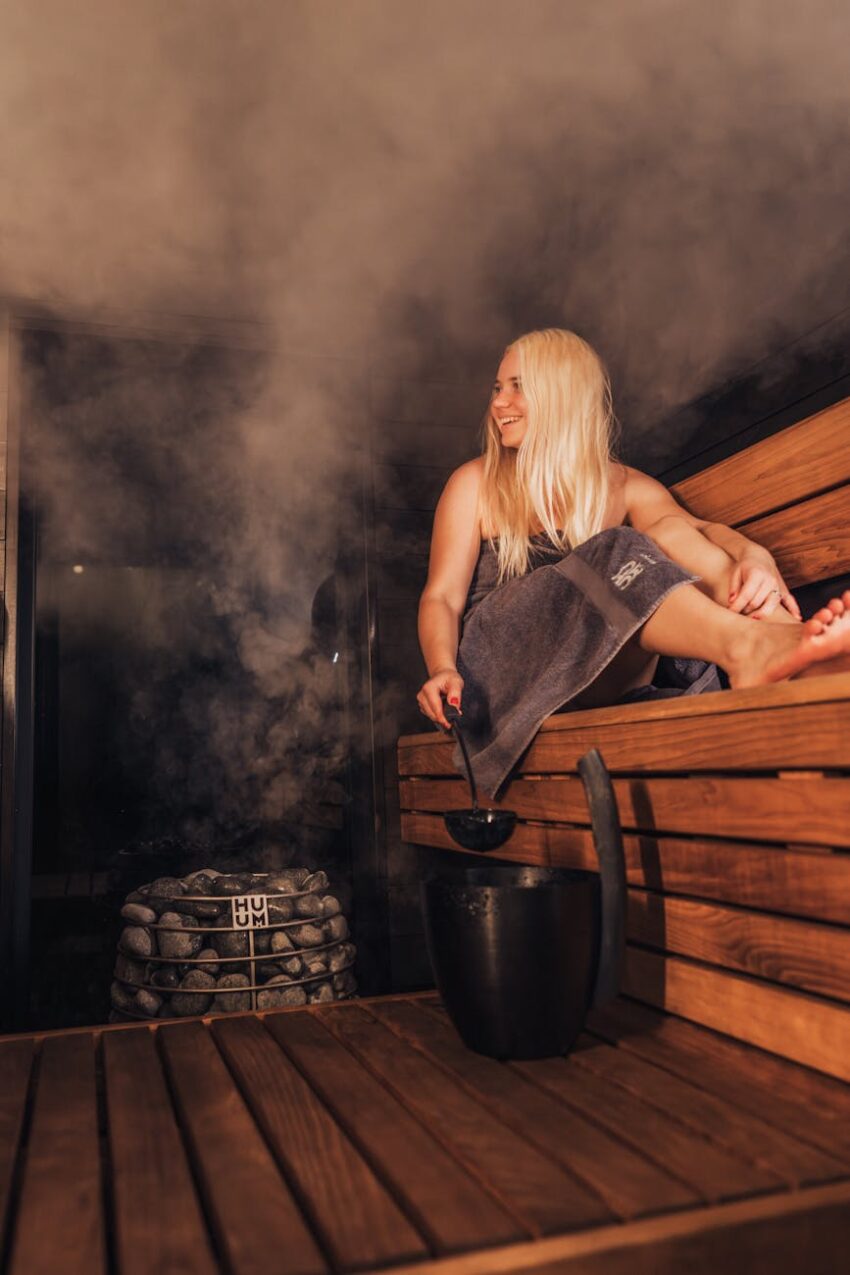
While cold therapy is about activating and sharpening, heat therapy is often about unwinding and restoring. My personal go-to is a sauna after a tough workout. The way the dry heat permeates my muscles, easing tension and washing away the day’s stresses, is just incomparable. There’s something primal about it, isn’t there?
What Heat Does For You:
- Deep Relaxation & Stress Reduction: Heat therapy promotes the release of endorphins, those wonderful natural painkillers and mood elevators. It also helps shift your nervous system into a more parasympathetic state, promoting relaxation and better sleep.
- Muscle Recovery & Pain Relief: Increased blood flow to muscles helps deliver nutrients and remove metabolic waste, speeding up recovery. It’s fantastic for easing stiff joints and sore muscles.
- Detoxification: Sweating is one of your body’s natural ways to eliminate toxins. While the “detox” claims around saunas can sometimes be overblown, there’s no denying that a good sweat feels incredibly cleansing.
- Cardiovascular Health: Regular sauna use has been linked to improved cardiovascular function, similar to moderate exercise, by increasing heart rate and improving blood vessel flexibility.
- Heat Shock Proteins: These special proteins are produced in response to heat stress and play a vital role in cellular repair, preventing damage, and maintaining overall cellular health.
How to Experience Heat:
Again, you don’t need a fancy setup. A hot bath can be incredibly therapeutic. If you have access, a sauna (dry or infrared) or a steam room are fantastic options. Start with 10-15 minutes and gradually increase as tolerated, always listening to your body. Hydrate, hydrate, hydrate!
The Synergy: Hot & Cold Together
Now, this is where things get really interesting for building resilience. Contrast therapy – alternating between hot and cold – is like a turbo-boost for your circulatory system and your mental game. The rapid constriction and dilation of blood vessels acts like a pump, improving circulation, reducing inflammation, and stimulating lymphatic drainage.
But beyond the physical, the back-and-forth challenges your mind in a unique way. You move from the intense discomfort of cold to the soothing relief of heat, and then back again. It’s a powerful lesson in adapting, letting go, and resetting your internal state. It teaches you that uncomfortable feelings are temporary, and you have the power to navigate them. In my experience, a 3-5 minute sauna followed by a 1-2 minute cold shower, repeated 2-3 times, leaves me feeling utterly invigorated and mentally sharp.
Beyond the Physical: Training Your Mind
The truth is, while the physical benefits of heat and cold therapy are impressive, the greatest gift they offer might just be psychological. When you voluntarily subject yourself to discomfort, even for a short time, and consciously choose to stay, to breathe, to endure, you build a profound sense of self-efficacy. You realize you’re stronger than you think. You learn that discomfort isn’t something to constantly avoid, but a sensation you can sit with, observe, and ultimately master.
This translates directly into real-world resilience. That frustrating email? That unexpected challenge at work? That personal setback? Your brain and body remember the cold shower. They remember the sauna. They remember that you faced a challenge, you breathed through it, and you came out stronger. That’s powerful stuff, my friends.
Your Journey to Resilience Starts Now
Look, you don’t need to become an extreme ice bather or a sauna guru overnight. Start small. Experiment. Find what feels good for *your* body and what you can integrate consistently into your life. The goal isn’t to punish yourself, but to gently push your boundaries, to remind your system of its incredible capacity for adaptation and strength.
So, the next time life throws you a curveball, consider stepping into the shower and turning that dial to cold for a minute. Or sink into a hot bath and just breathe. You might be surprised at how much inner strength you unlock.
FAQs About Heat & Cold Therapy
Q1: How long should I stay in the cold/hot?
A: For cold, start with 30-60 seconds and gradually work up to 2-3 minutes. For heat (sauna/hot bath), begin with 10-15 minutes and extend to 20-30 minutes if comfortable. Always listen to your body and never push to the point of extreme discomfort or dizziness.
Q2: Is contrast therapy better than just heat or just cold?
A: Contrast therapy offers unique benefits by rapidly stimulating circulation and nervous system shifts, which can be particularly effective for recovery and building mental resilience. However, both heat and cold therapies offer significant individual benefits, so choose what suits your goals and access.
Q3: Can I do this every day?
A: Many people safely incorporate short bursts of cold (like a cold shower) daily. For longer, more intense sessions (like ice baths or saunas), 3-5 times a week is a common recommendation, allowing your body time to adapt and recover. Consistency is key, but don’t overdo it.
Q4: Are there any people who shouldn’t do heat or cold therapy?
A: Yes, absolutely. Individuals with certain heart conditions, high blood pressure, circulatory problems (like Raynaud’s phenomenon), diabetes, or who are pregnant should consult their doctor before starting any heat or cold therapy. Always prioritize safety and medical advice.
Q5: What’s the best time of day to do these therapies?
A: Cold therapy, especially in the morning, can be incredibly invigorating and boost alertness, making it great for starting your day. Heat therapy, particularly a sauna or hot bath, is often preferred in the evening to promote relaxation and aid sleep. Ultimately, it comes down to personal preference and what fits best into your schedule.