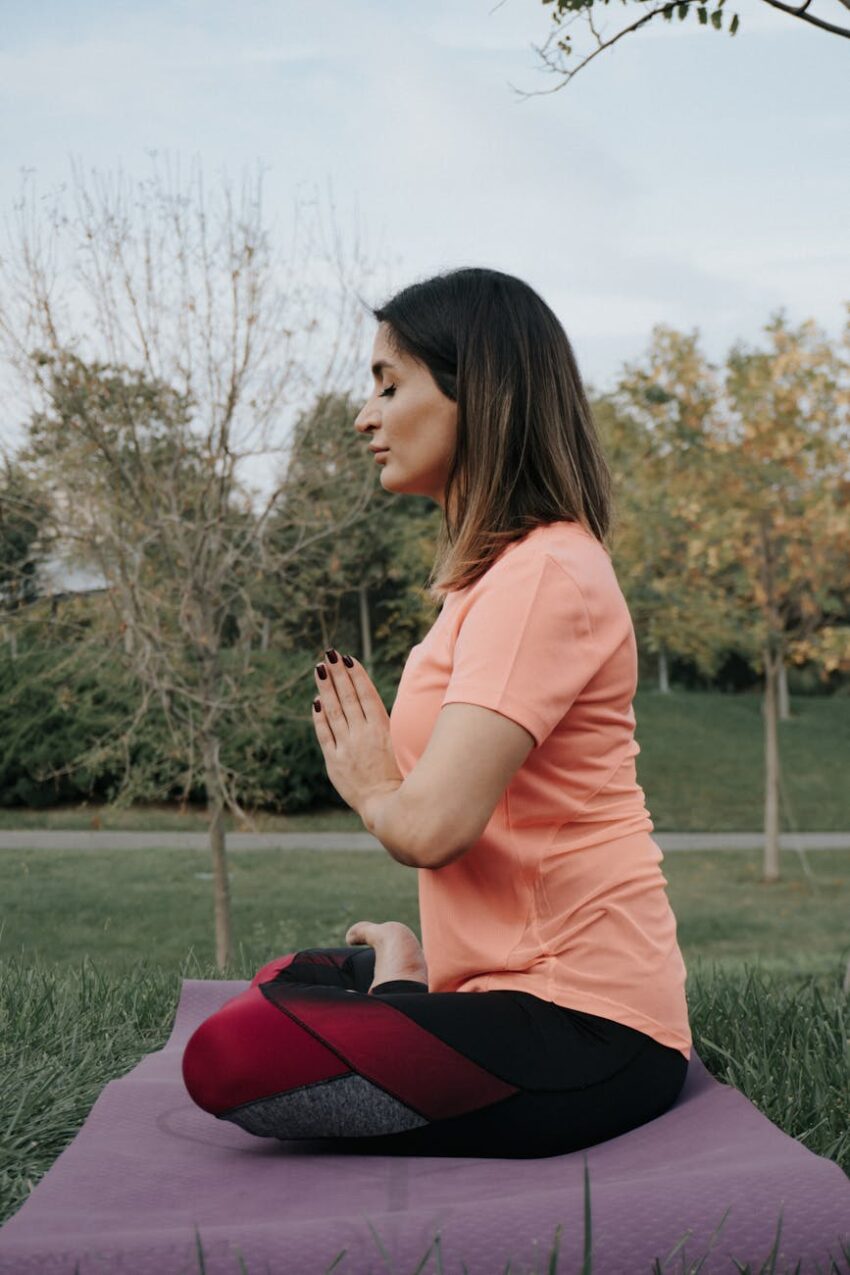
Ever had one of those days where you feel completely drained, running on fumes, even though you thought you got enough sleep? Or maybe you’re wound tighter than a spring, heart racing, mind buzzing with a thousand worries? What if I told you the answer to both those feelings – that sluggishness and that frantic anxiety – is literally right under your nose?
I know, it sounds almost too simple. We breathe every second of every day without even thinking about it. It’s an automatic function, like our heartbeat. But what if that automatic function, when done mindlessly, is actually contributing to your fatigue, your stress, and your overall sense of being out of sync? And what if, by learning to breathe with intention, you could tap into a hidden reservoir of energy, clarity, and profound calm?
The truth is, most of us are breathing all wrong. We take shallow, rapid breaths, barely filling the top of our lungs. We’re living in a constant state of low-grade fight-or-flight, and our breath patterns reflect that. But it doesn’t have to be this way. I’ve seen firsthand – and experienced myself – how mastering your breath can truly transform your physical and mental landscape.
The Hidden Connection: Your Breath and Your Nervous System
Here’s the thing: your breath isn’t just about oxygen exchange. It’s a direct line to your autonomic nervous system, the control center for all those automatic bodily functions you don’t consciously think about – heart rate, digestion, even your immune response. This system has two main branches:
- The Sympathetic Nervous System: Think of this as your body’s accelerator, the “fight-or-flight” response. When it’s activated, your heart rate speeds up, your muscles tense, and you get a jolt of adrenaline. It’s crucial for emergencies, but too much activation leaves you feeling stressed, anxious, and wired. Guess what kind of breathing activates this? Short, shallow, chest breathing.
- The Parasympathetic Nervous System: This is your body’s brake, the “rest and digest” mode. When it’s active, your heart rate slows, your muscles relax, and your body can focus on healing and recovery. This is where true calm and rejuvenation happen. And guess what kind of breathing activates this? Slow, deep, diaphragmatic breathing.
What most people miss is that your breath is the only part of your autonomic nervous system you can consciously control. You can’t just tell your heart to slow down, but you absolutely can tell your breath to. And by doing so, you effectively send a message to your brain: “Hey, everything’s okay. You can relax now.” Or, “Hey, wake up! I need some focus and energy!”
My Journey: From Panicked to Poised
I remember a time, years ago, when I was completely overwhelmed. My work was demanding, my personal life felt chaotic, and I was constantly on edge. I’d get these sudden waves of anxiety that felt like a punch to the gut. My breath was always shallow, tight in my chest. I dismissed it as just “being stressed.”
Then, a friend introduced me to a simple breathing exercise. I was skeptical, to say the least. “Just breathe? What good will that do?” But I was desperate, so I tried it. Lying on my back, focusing on filling my belly with air, then slowly exhaling. Within minutes, I felt a subtle shift. The frantic buzz in my head quieted. My shoulders dropped. It wasn’t a magic cure, but it was the first time in ages I felt a genuine sense of inner calm.
That experience was a turning point. It showed me that this isn’t some woo-woo spiritual practice; it’s a powerful physiological tool. Since then, I’ve incorporated intentional breathing into my daily life, and the benefits have been nothing short of transformative.
Practical Techniques to Unlock Your Power
Ready to start harnessing your breath? Here are a few foundational techniques I use and teach, designed to either energize you or bring you profound calm.
For Calm and Relaxation: Diaphragmatic (Belly) Breathing
This is the bedrock of calm breathing. It directly stimulates your vagus nerve, which is a major player in activating your parasympathetic nervous system.
- Find a comfortable position: Lie on your back with knees bent, or sit upright. Place one hand on your chest and the other on your belly, just below your rib cage.
- Inhale deeply through your nose: Focus on expanding your belly, letting it rise with the air. Your chest hand should ideally remain still, or move very little. Imagine you’re filling a balloon in your stomach.
- Exhale slowly through your mouth (or nose): Gently contract your abdominal muscles, letting your belly fall as the air leaves your body. Make your exhale longer than your inhale.
- Repeat: Aim for 5-10 minutes. Feel the gentle rise and fall, the calming rhythm.
I often do this first thing in the morning for 5 minutes, and then again before bed. It sets a wonderful tone for the day and helps me unwind at night.
For Focus and Stress Relief: Box Breathing
This technique is fantastic for quickly resetting your nervous system, calming your mind, and improving focus. It’s often used by Navy SEALs – so you know it works under pressure!
- Find a comfortable seat: Sit upright with a straight spine.
- Exhale completely: Empty your lungs of all air.
- Inhale slowly to a count of four: Fill your lungs completely.
- Hold your breath for a count of four.
- Exhale slowly to a count of four: Empty your lungs.
- Hold your breath (lungs empty) for a count of four.
- Repeat: Continue this square pattern for 5-10 rounds, or as needed.
I use box breathing before important meetings, when I feel overwhelmed by my to-do list, or even when I’m stuck in traffic. It’s incredibly effective at bringing me back to center.
For a Burst of Energy and Clarity: Rapid Nadi Shodhana (Alternate Nostril Breathing)
While traditional Nadi Shodhana is slow and calming, a more rapid version can be surprisingly energizing and help clear your head. It’s like a mental reset button.
- Sit comfortably: Keep your spine straight.
- Right hand mudra: Close your right nostril with your right thumb. Your index and middle fingers can rest between your eyebrows, and your ring finger and pinky finger will be free to close your left nostril.
- Inhale through your left nostril: Take a deep, full breath.
- Close your left nostril with your ring finger: Release your thumb from your right nostril.
- Exhale through your right nostril: Completely empty your lungs.
- Inhale through your right nostril.
- Close your right nostril: Release your ring finger from your left nostril.
- Exhale through your left nostril.
- Repeat: Continue this cycle for 5-10 minutes. The rapid nature here means a slightly faster pace than typical Nadi Shodhana, but always controlled.
I turn to this when I hit that mid-afternoon slump, when coffee just isn’t cutting it. It clears the mental fog and gives me a gentle, clean energy boost without the jitters.
Making It a Habit: Consistency is Key
Look, the benefits of conscious breathing aren’t just for meditators or yogis. They’re for anyone seeking more energy, less stress, and a greater sense of control over their inner state. The real magic happens when you make these practices a consistent part of your life.
Start small. Just 5 minutes a day of belly breathing. Set a reminder on your phone. Tie it to an existing habit – perhaps right after you brush your teeth, or before your first sip of coffee. You’ll notice subtle changes at first, then more profound shifts as your body and mind learn to respond. You’ll feel more grounded, more resilient, and surprisingly, more energized even on days when you feel like you haven’t done anything differently.
It’s an incredibly powerful, free, and accessible tool. Your breath is always with you, a constant companion, ready to be harnessed. So, what are you waiting for? Take a deep breath.
FAQ: Your Breath Questions Answered
Q: How long does it take to see results from breathing exercises?
A: You can often feel immediate changes in your state of mind and body after just a few minutes of intentional breathing. For more lasting benefits like reduced chronic stress or improved sleep, consistent daily practice over several weeks or months is key. It’s not a quick fix, but a cumulative practice.
Q: Can I do these exercises anywhere?
A: Absolutely! That’s one of the greatest things about breathwork. You can do diaphragmatic breathing while lying in bed, box breathing at your desk, or even alternate nostril breathing while waiting in line (if you don’t mind a few curious glances!). Just find a moment where you can focus without too many distractions.
Q: Are there any risks or side effects?
A: For most people, basic breathing exercises are very safe. Occasionally, if you’re new to deep breathing, you might feel a little lightheaded or tingly due to increased oxygen. If this happens, simply return to your normal breathing for a moment, then resume more gently. If you have a serious respiratory or cardiac condition, it’s always wise to consult your doctor before starting new practices.
Q: What if I can’t get my belly to move when I’m trying diaphragmatic breathing?
A: Don’t worry, this is common! Many of us are “chest breathers.” Try lying down and placing a small book or a light object on your belly. The goal is to make that object rise and fall with each breath. Visualizing your diaphragm (a dome-shaped muscle beneath your lungs) pulling down on the inhale and rising on the exhale can also help. With practice, it will become more natural.
Q: How often should I practice these techniques?
A: I recommend starting with 5-10 minutes a day of a basic calming technique like diaphragmatic breathing. As you get more comfortable, you can add in other techniques as needed – a few minutes of box breathing before a stressful event, or a round of energizing breath when you feel a slump. Consistency is more important than duration.