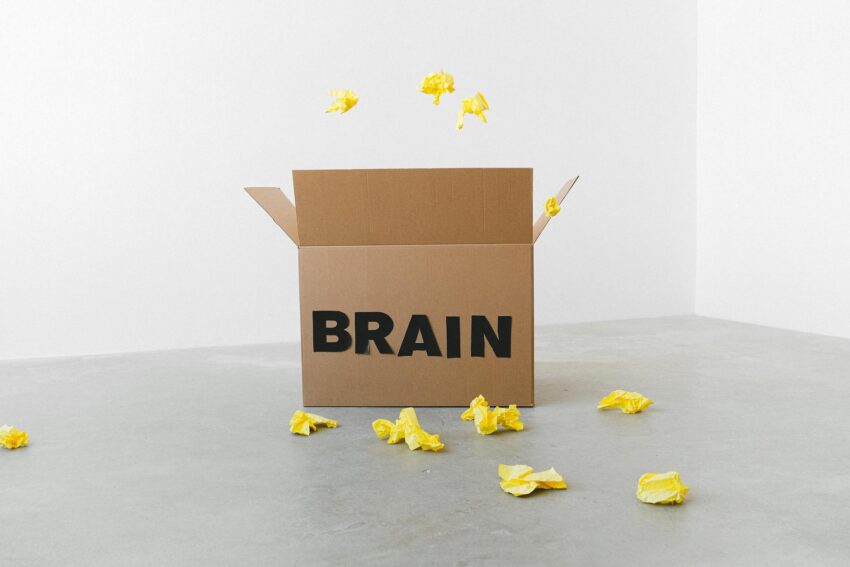
Ever walked into a room and completely forgotten why you went there? Or had a word just sitting on the tip of your tongue, refusing to make an appearance? If you’re nodding, welcome to the club! These little brain glitches are common, and while they can be harmless, they sometimes spark a deeper worry: Am I losing my edge? Is my brain starting to slow down?
It’s a fear many of us share, this anxiety about cognitive decline. We all want to stay sharp, witty, and independent well into our golden years. But what if I told you that future-proofing your brain isn’t about expensive supplements or complicated brain games? What if it’s mostly about a handful of simple, everyday habits you can start cultivating right now?
The truth is, our brains are incredible, adaptable organs. They’re capable of remarkable growth and resilience throughout our lives, a concept scientists call neuroplasticity. We have far more control over our cognitive destiny than we often realize. I’ve spent years diving into the research, and what I’ve found consistently points to one thing: a holistic approach to lifestyle is your brain’s best friend. It’s not about magic bullets; it’s about consistent, gentle nurturing. Let’s dig in.
Move Your Body, Boost Your Brain
You probably already know exercise is good for your heart and your waistline. But what most people miss is just how profoundly it impacts your brain. When you get your blood pumping, you’re not just strengthening your muscles; you’re sending a fresh surge of oxygen and nutrients directly to your grey matter. This isn’t just theoretical – I’ve personally experienced it.
There have been countless times I’ve felt stuck on a writing project, my thoughts a tangled mess. Instead of forcing it, I’ll often step away, put on some headphones, and go for a brisk 30-minute walk. Without fail, I come back feeling clearer, more focused, and often, with the solution to my problem bubbling to the surface. It’s like hitting a mental reset button.
But it’s more than just a momentary clarity boost. Regular physical activity actually encourages the growth of new brain cells and strengthens the connections between existing ones. It boosts levels of brain-derived neurotrophic factor (BDNF), often called “Miracle-Gro for the brain.” Don’t feel like you need to become a marathon runner overnight. Even moderate activity, like walking, cycling, or dancing, can make a huge difference. Find something you genuinely enjoy, and make it a non-negotiable part of your week. Your brain will thank you.
Feed Your Head: The Brain-Boosting Plate
Think of your brain like a high-performance sports car. You wouldn’t put cheap, low-grade fuel into it and expect peak performance, right? The same goes for your brain. What you eat directly impacts its structure and function.
I’m not saying you need to go on a super restrictive diet, but making smart, consistent choices can be a total game-changer. For me, that means leaning heavily into the Mediterranean-style diet principles: lots of colorful fruits and vegetables (especially leafy greens and berries for their antioxidants), healthy fats like olive oil and avocados, whole grains, and lean proteins, particularly fatty fish rich in omega-3s. Those omega-3s, found in salmon, mackerel, and walnuts, are absolutely crucial for brain cell membranes and communication. They’re like the building blocks of a healthy, agile brain.
I try to keep processed foods, excessive sugar, and unhealthy trans fats to a minimum. It’s a journey, not a destination, and I certainly enjoy a treat now and then! But when I consistently fuel my body with nutrient-dense foods, I notice a definite lift in my energy levels, my mood, and my ability to concentrate. It’s not just about avoiding “bad” things, it’s about actively seeking out the “good” ones that nourish your most vital organ.
The Power of Zzz’s: Why Sleep Isn’t Optional
We live in a culture that often glorifies burning the candle at both ends. Sleep, unfortunately, is often seen as a luxury or something we can cut back on when life gets busy. This couldn’t be further from the truth, especially for your brain.
In my experience, a poor night’s sleep is the quickest way to feel foggy, irritable, and completely unproductive the next day. It’s not just about feeling tired; it severely impairs your memory, focus, and problem-solving abilities. During sleep, your brain isn’t “off.” It’s incredibly busy consolidating memories from the day, processing information, and, crucially, clearing out metabolic waste products that accumulate during waking hours. Think of it as your brain’s nightly clean-up crew.
Aim for 7-9 hours of quality sleep each night. Establishing a consistent sleep schedule, even on weekends, can be incredibly helpful. I’ve found that creating a calming wind-down routine – dimming the lights, reading a book (not scrolling!), and avoiding screens for an hour before bed – has made a huge difference for me. It signals to my brain that it’s time to switch gears and prepare for restorative rest. Don’t underestimate this one; it’s a non-negotiable for lifelong brain health.
Keep Challenging Your Grey Matter
Just like your muscles, your brain thrives on being challenged. If you always stick to what’s comfortable and familiar, your brain won’t have much incentive to grow or form new connections. That’s why learning new things is so vital.
This doesn’t mean you have to go back to college or solve complex mathematical equations daily, though if that’s your jam, go for it! What it means is consistently exposing your brain to novelty and complexity. Learning a new language, taking up a musical instrument, trying a new hobby like pottery or coding, or even just engaging in strategic board games can light up different areas of your brain and build new neural pathways. I recently started dabbling in a new painting technique, and while my results are far from gallery-worthy, I can feel my brain working in new ways, connecting dots I hadn’t before.
The key here is active engagement and novelty. Simply doing the same crossword puzzle every day might keep you sharp at crosswords, but it won’t necessarily build broad cognitive resilience. Step outside your comfort zone. Embrace the beginner’s mind. It’s exhilarating, and your brain loves it.
Connect and Unwind: Social Bonds and Stress Busting
Humans are inherently social creatures, and our brains reflect that. Strong social connections are not just good for our emotional well-being; they’re incredibly protective for our cognitive health. Loneliness and social isolation, on the other hand, have been linked to an increased risk of cognitive decline.
Look, engaging in lively conversations, sharing laughs, or even just having a cup of coffee with a friend can stimulate your brain in unique ways. It involves active listening, empathy, memory recall, and quick thinking. I often find that my best ideas come from bouncing them off a friend or colleague. It’s a wonderful, natural form of brain exercise.
And then there’s stress. Chronic stress is a silent assassin for your brain. The constant flood of cortisol can damage brain cells and shrink areas crucial for memory and learning. It’s why managing stress isn’t just about feeling better; it’s about protecting your brain’s architecture.
Finding healthy ways to unwind is paramount. For some, it’s meditation or mindfulness practices. For others, it’s spending time in nature, listening to music, or indulging in a creative hobby. I’ve found that even just 10 minutes of quiet contemplation or a few deep breaths when I feel overwhelmed can dramatically shift my mental state. Prioritize these moments of calm. Your brain needs them to reset and recharge.
Your Brain’s Best Friend: Consistency
Ultimately, future-proofing your brain isn’t about grand gestures; it’s about the steady accumulation of small, consistent, positive habits. None of these suggestions are particularly revolutionary, but their power lies in their consistency and combination. Start small, pick one or two areas to focus on, and slowly integrate them into your daily routine. You don’t have to be perfect; just aim for progress.
Imagine your brain, vibrant and sharp, supporting you in all your endeavors, allowing you to learn, create, connect, and enjoy life to its fullest, for many years to come. That’s not just a pipe dream. That’s the powerful potential of everyday habits.
FAQ: Your Brain on Habits
Q1: Is it ever too late to start adopting these habits?
Absolutely not! The brain maintains its neuroplasticity throughout life, meaning it can form new connections and even generate new cells (neurogenesis) regardless of age. Starting these habits today will benefit you, no matter how old you are.
Q2: Do brain training apps and games really work?
While some apps might help improve performance on specific tasks within the app, there’s limited evidence that this translates to broader cognitive improvements in real-world situations. I’d argue that engaging in novel, complex activities in your daily life – like learning a new skill or language – offers more holistic and effective brain stimulation.
Q3: What about brain supplements? Are they worth taking?
For most healthy individuals, a balanced diet provides all the necessary nutrients for brain health. While some supplements might be beneficial for specific deficiencies, there’s often little scientific evidence to support broad claims about cognitive enhancement for the general population. Always consult with a healthcare professional before starting any new supplements.
Q4: How quickly can I expect to see results from these changes?
Brain health improvements are often gradual and cumulative. You might notice subtle shifts in energy, mood, or focus within weeks, but significant, long-term benefits typically accrue over months and years of consistent effort. Think of it as an investment in your long-term well-being.
Q5: If I can only pick one habit to start with, which one is most important?
That’s a tough one, as they all work synergistically! However, if I had to choose, I’d say consistent physical activity is a fantastic starting point. It has a powerful ripple effect, often improving sleep quality, mood, and even motivating better dietary choices. Start moving, and watch the positive changes unfold.