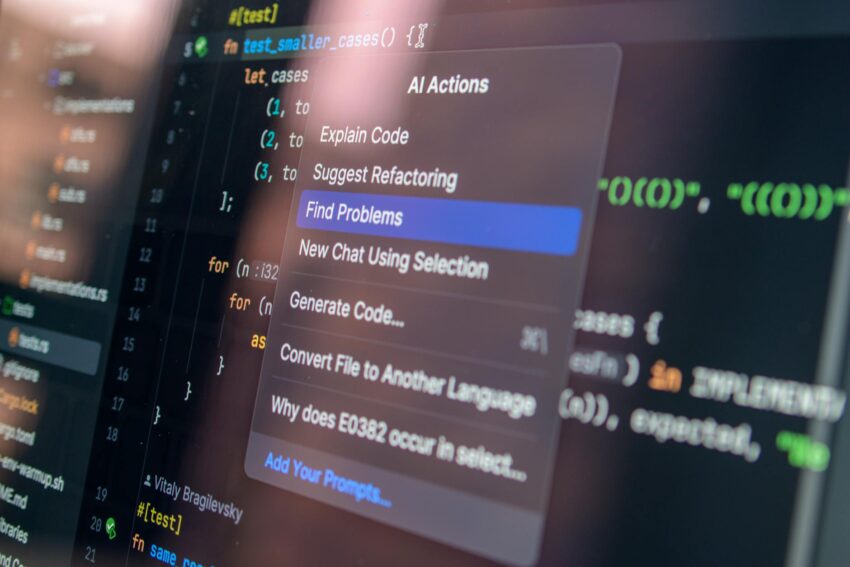
Remember that feeling when you first started using a new software tool, and it felt like you were just… inputting data? Like a fancy digital filing cabinet? Well, if you haven’t noticed, those days are quickly becoming a relic. Our business tools, especially our beloved SaaS applications, aren’t just getting smarter; they’re becoming genuinely intelligent partners. And honestly, it’s transforming how we all work.
For years, SaaS was about convenience and accessibility – moving software from your servers to the cloud. It was a massive leap forward, no doubt. But the big shift happening now? It’s the quiet, often subtle, integration of artificial intelligence that’s turning those convenient tools into powerful, proactive assistants. We’re talking about AI inside, reshaping everything from your CRM to your project management suite. And believe me, once you experience it, there’s no going back.
Beyond Automation: What “Smart SaaS” Really Means
Let’s be clear: automation is great. It’s the engine that powers so much of what we do efficiently. But smart SaaS? That’s a whole different beast. Automation follows rules; AI learns. Automation executes tasks; AI offers insights and predicts outcomes. It’s the difference between a spreadsheet that calculates totals for you and one that suggests what products your customers are most likely to buy next based on their past behavior.
Here’s the thing: we’ve grown accustomed to tools that handle repetitive tasks, like sending automated emails or scheduling posts. But “smart SaaS” pushes way past that. It infuses machine learning, natural language processing, and predictive analytics directly into the software’s core. It means your CRM isn’t just storing customer data; it’s analyzing conversations, scoring leads, and even suggesting the optimal time for your sales team to make contact. It’s not just a database; it’s a strategic advisor.
The Core Benefits: Why AI-Powered SaaS is Reshaping Your Operations
I’ve seen firsthand the impact this has on businesses, big and small. It’s not just hype; it’s tangible improvement across the board.
Boosting Efficiency & Productivity
This is probably the most immediate benefit you’ll notice. AI takes on the grunt work, but at an entirely new level. Think about summarizing long meeting transcripts, drafting first-pass emails, categorizing support tickets, or even optimizing calendar schedules across a large team. What used to take hours of human effort can now be done in minutes, or even seconds, by an intelligent system. It frees up your most valuable resource – your people – to focus on creative problem-solving and strategic thinking rather than administrative busywork. Personally, I’ve found AI-powered writing assistants incredibly helpful for overcoming writer’s block and generating initial ideas, allowing me to focus on refining the human touch.
Unlocking Deeper Insights
The truth is, humans simply can’t process the sheer volume of data generated by modern businesses. AI can. It sifts through mountains of information – customer interactions, sales figures, marketing campaign performance, website traffic – to identify patterns and trends that would be invisible to the human eye. This leads to truly actionable insights. Instead of guessing why a marketing campaign performed poorly, AI can point to specific demographic segments that disengaged. Instead of reacting to customer churn, AI can predict which customers are at risk and suggest proactive retention strategies. It’s like having a super-powered data analyst working for you 24/7.
Personalization at Scale
We all want personalized experiences, right? As consumers, we expect our favorite streaming service to know what we like, and our e-commerce sites to recommend relevant products. AI brings that same level of personalization to your business tools, but crucially, it does it at scale. For example, a learning management system can tailor course recommendations to individual employees based on their roles and career goals. A marketing automation platform can craft unique customer journeys for thousands of leads simultaneously. This level of tailored interaction was simply impossible before, and it fosters stronger relationships and better engagement.
Enhancing User Experience
What most people miss is that AI also makes the tools themselves easier and more pleasant to use. Think about smart search functions that understand natural language queries, proactive suggestions within an application (like “Are you trying to connect with this contact?”), or even intelligent chatbots embedded directly into your SaaS to provide contextual help without ever leaving the platform. These subtle enhancements make the software feel more intuitive, more responsive, and frankly, less like a chore to use.
Real-World AI: Where You’re Already Seeing It (Or Will Soon!)
You might be wondering where all this AI actually lives. It’s everywhere, woven into the fabric of the SaaS tools many of us use daily:
- CRM & Sales Platforms: Beyond lead scoring, think about AI that analyzes sales call transcripts to identify key objections or successful selling techniques. I know one sales team that saw a 15% increase in conversion rates after using an AI tool to pinpoint common customer pain points and refine their pitch. That’s real money.
- Marketing Automation & Content Tools: AI assists with everything from generating initial blog post outlines to optimizing ad spend across various platforms. It can even predict which content types will resonate most with specific audience segments.
- Customer Service Solutions: Chatbots are just the beginning. AI-powered tools can analyze customer sentiment in real-time, route complex queries to the most qualified agent, and even suggest responses to agents, reducing resolution times significantly.
- HR & Recruitment Software: AI helps screen resumes for relevant skills, identifies potential biases in job descriptions, and even personalizes onboarding experiences for new hires, ensuring they feel welcomed and informed from day one.
- Project Management Suites: AI can analyze project progress, predict potential delays, suggest optimal resource allocation, and even identify risks before they become major problems. It’s like having an extra project manager constantly looking ahead.
The Road Ahead: My Take on the Future
Look, we’re still in the early innings of AI’s integration into SaaS, and it’s only going to accelerate. I predict we’ll see even deeper, more seamless integration, where AI becomes an almost invisible layer that just makes everything work better. It won’t be a separate feature; it will be the underlying intelligence of the entire platform.
Of course, this journey isn’t without its considerations. We need to be mindful of data privacy, potential biases in AI algorithms, and the critical need for human oversight. AI is a powerful tool, but it’s *our* tool. It’s there to augment human intelligence, not replace it. The most successful businesses, in my opinion, will be those that master the art of human-AI collaboration, leveraging AI for speed and insight while relying on human creativity, empathy, and ethical judgment.
Ultimately, AI inside our SaaS tools isn’t a futuristic concept anymore; it’s the present, and it’s rapidly evolving. For any business looking to stay competitive, efficient, and truly smart, embracing this intelligent evolution isn’t just an option – it’s a necessity.
Frequently Asked Questions About AI in SaaS
Q: Is AI in SaaS just for big companies with huge budgets?
A: Absolutely not! While large enterprises often have more resources for custom AI solutions, many SaaS providers are baking AI directly into their standard offerings. This means even small and medium-sized businesses can access powerful AI capabilities for a fraction of the cost, making it accessible to virtually everyone.
Q: Will AI replace my job if it automates so many tasks?
A: That’s a common concern, and a fair one. However, in my experience, AI tends to augment human roles rather than replace them entirely. It handles the repetitive, data-heavy, or analytical tasks, freeing up human employees to focus on strategic thinking, creativity, complex problem-solving, and interpersonal communication – the uniquely human skills that AI can’t replicate. Think of it as a powerful assistant, not a replacement.
Q: How can I tell if a SaaS product truly uses AI, or if it’s just marketing hype?
A: Good question! Look beyond buzzwords. Ask specific questions about what the AI actually does. Does it predict? Does it personalize? Does it learn from data? Ask for examples of how it improves outcomes (e.g., “How does your AI help improve lead conversion rates?”). If a vendor can’t give you concrete examples of AI-driven capabilities and benefits, it might be more marketing than actual intelligence.
Q: What are the main challenges companies face when adopting AI-powered SaaS?
A: The biggest challenges often revolve around data quality and integration. AI thrives on good data, so if your existing data is messy or siloed, the AI won’t be as effective. Another challenge can be change management – getting your team comfortable with new, intelligent workflows and trusting the AI’s recommendations. And, of course, understanding the ethical implications of using AI, especially regarding data privacy and bias.
Q: What’s the single most important thing to look for in an AI-powered SaaS tool?
A: For me, it’s about actionability. Does the AI provide insights or take actions that genuinely help you achieve your business goals? It’s not enough for it to just “analyze things.” It needs to either tell you what to do next, or proactively do it for you, in a way that measurably improves your operations, customer experience, or bottom line. If it doesn’t lead to better decisions or outcomes, it’s just a fancy feature.