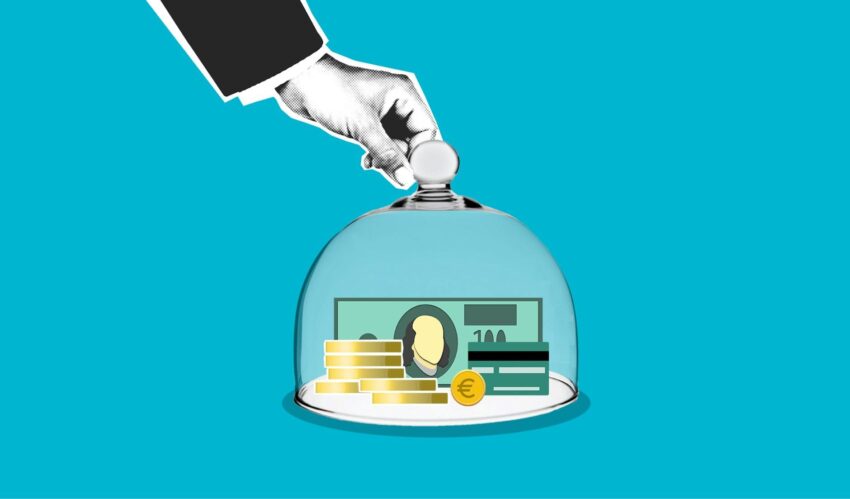
We’ve all heard the old adage, “Cash is King.” It’s a phrase that rolls off the tongue, implying security, power, and readiness. And honestly, there’s a kernel of truth to it. Having cash on hand definitely beats scrambling when the unexpected hits. But here’s the thing: like many simple adages, it doesn’t tell the whole story. In fact, relying too heavily on this one line can be a pretty costly mistake for your financial health.
I’ve seen it play out countless times in my years immersed in the world of personal finance and investing. Folks who hoard cash, proud of their growing savings account balance, only to realize inflation has quietly been eating away at their purchasing power. Or, on the flip side, those who are so aggressive with their investments that they leave themselves dangerously exposed when life throws a curveball. The truth is, optimizing your portfolio’s liquid assets isn’t about having a mountain of cash, nor is it about having none. It’s about finding that sweet spot, that Goldilocks zone, where you’re prepared for anything without sacrificing your long-term growth.
The Double-Edged Sword of “Cash is King”
Let’s talk about why “Cash is King” can be misleading. Yes, cash provides security. It’s there for emergencies, for opportunities, for peace of mind. But what most people miss is that cash, especially in a low-interest or even average savings account, is steadily losing value over time. Inflation is a relentless, silent thief. If your cash isn’t earning at least as much as the rate of inflation, you’re essentially losing money every single day. That crisp hundred-dollar bill in your wallet today will buy you less tomorrow, and even less the year after that.
I remember a friend, let’s call him Mark, who was incredibly proud of his hefty savings account balance back in the early 2010s. He felt secure, untouchable. But he was only earning about 0.1% interest. Meanwhile, inflation was hovering around 2-3%. He was effectively losing 2.9% of his wealth each year. When I finally convinced him to look at the numbers, he was genuinely shocked. He thought he was being financially prudent, but he was actually falling behind. That’s the opportunity cost of too much cash: it’s not just the erosion from inflation, but also the potential returns you’re missing out on by not investing those funds wisely.
The Peril of Being Too Lean
Of course, the opposite extreme is just as dangerous, if not more so. I’ve known people who are so eager to get every dollar invested and working for them that they leave themselves with little to no readily accessible cash. This is where things can get truly stressful. What happens when your car breaks down, your roof needs replacing, or, heaven forbid, you lose your job?
I learned this lesson the hard way myself, albeit indirectly. During the 2008 financial crisis, I saw so many smart, financially savvy people get caught flat-footed. Their portfolios were heavily invested, which was great for growth during boom times, but when the market tanked, they had no cash reserves. They were forced to sell investments at a massive loss just to cover basic living expenses. That experience burned a critical lesson into my mind: you must have an emergency fund. It’s the non-negotiable foundation of any sound financial plan. It protects your investments from forced selling and, more importantly, it protects your sanity.
Finding Your Liquidity Sweet Spot: The Goldilocks Zone
So, if too much cash is bad, and too little is worse, what’s the answer? It’s about balance, my friends. It’s about finding your personal liquidity sweet spot – your Goldilocks zone – where you have enough accessible funds to handle life’s curveballs and seize opportunities, without letting your money sit idle and erode.
This “sweet spot” isn’t a universal number. It depends entirely on your unique circumstances: your age, income stability, job security, family situation, health, risk tolerance, and upcoming financial goals. A single, self-employed freelancer with fluctuating income might need a much larger emergency fund than a government employee with a stable salary and robust benefits. A young couple saving for a house down payment in the next two years will have different liquidity needs than someone five years from retirement.
Your Non-Negotiable Core: The Emergency Fund
Let’s start with the absolute essential: your emergency fund. This isn’t optional; it’s foundational. Generally, I recommend having 3 to 6 months’ worth of essential living expenses saved up. If you have dependents, a less stable job, or significant health concerns, push that closer to 9 or even 12 months. This money is for true emergencies – job loss, major medical events, unexpected home repairs, not for a new gadget or a spontaneous vacation.
Where should this money live? Not in your checking account, where it’s too easily spent and earns virtually nothing. And certainly not in the stock market, where it’s subject to daily fluctuations. Your emergency fund belongs in a high-yield savings account (HYSA). These accounts offer significantly better interest rates than traditional savings accounts, keeping pace with inflation a bit better, and are still instantly accessible. Money market accounts are another solid option.
Beyond the Emergency Fund: Tiered Liquidity for Goals and Opportunities
Once your emergency fund is locked down, you can start thinking about other layers of liquidity for specific goals and potential opportunities.
Short-Term Goals (1-3 Years)
Are you saving for a house down payment, a new car, or a tuition bill due in the next year or two? This money shouldn’t be in the stock market. The timeline is too short, and the risk of a market downturn forcing you to delay or compromise your goal is too high. Again, HYSAs are fantastic for this. You might also consider short-term Certificates of Deposit (CDs) or Treasury Bills (T-bills) if you can lock in a better rate and are comfortable with the fixed term. T-bills, in particular, are often overlooked but can be a great, low-risk option for short-term cash that needs to earn a decent yield.
Medium-Term “Opportunity” Cash (3-5 Years)
This is where things get a bit more nuanced. Maybe you want some extra dry powder for a significant market correction, or perhaps you’re planning a sabbatical in a few years. For these funds, you might consider slightly less liquid options that offer a bit more return, but still prioritize capital preservation. Short-to-intermediate term bond ETFs or even some balanced funds could fit the bill here. You’re taking on a little more risk than a HYSA, but you’re also aiming for better returns than cash alone. Just be clear about your risk tolerance; if you can’t stomach any potential loss, stick closer to the HYSA or T-bill options.
What about cash sitting in your brokerage account? Most brokerage accounts have a “cash sweep” feature that puts uninvested cash into a low-yielding money market fund or a bank account. For larger sums of uninvested cash waiting to be deployed, consider actively moving it into a higher-yielding money market fund offered directly within your brokerage platform. Don’t let it just sit there earning pennies!
Regular Check-Ups: Your Liquidity Strategy Isn’t Set in Stone
Your liquidity needs aren’t static. They evolve as your life changes. I can’t stress this enough: your financial plan is a living document. Marriage, children, a new job, a significant raise, buying a home, approaching retirement – all these life events should trigger a review of your liquidity strategy. Market conditions also play a huge role. When interest rates are high, HYSAs and T-bills become much more attractive. When they’re low, the incentive to keep excessive cash diminishes.
I make it a point to review my own liquidity position at least twice a year, usually around tax time and again in the fall. It’s a quick check-in: Is my emergency fund still adequate? Are my short-term goals on track? Am I holding too much cash that could be working harder, or too little for comfort? This regular introspection helps me stay aligned with my financial goals and maintain that crucial balance.
Ultimately, optimizing your liquid assets isn’t about rigid rules. It’s about thoughtful planning, understanding your unique situation, and creating a strategy that provides security, flexibility, and growth. Don’t let “Cash is King” blind you to the nuances of smart money management. Instead, make your cash work for you, in the right places, at the right time.
Frequently Asked Questions About Liquid Assets
How much should I really have in my emergency fund?
While 3-6 months of essential living expenses is a common guideline, I strongly recommend leaning towards 6 months or even more if your income is unstable, you’re self-employed, have significant dependents, or face higher health risks. It’s better to have a little too much peace of mind than too little.
Are money market funds truly safe?
Money market funds, especially those holding government securities, are generally considered very low risk. They aim to maintain a stable net asset value (NAV) of $1 per share. While they are not FDIC-insured like bank accounts, their underlying investments are extremely short-term and high-quality, making them a very secure option for cash you want to earn a better yield on.
Should I keep any cash in my checking account?
Absolutely! Your checking account is for your immediate, day-to-day expenses – bills, groceries, gas, etc. I typically keep enough in my checking account to cover 1-2 months of regular spending, just to avoid transfers and ensure no bills ever bounce. Anything beyond that should be moved to a high-yield savings account or invested.
What about cryptocurrency for liquidity?
Look, I’m open to new technologies, but let’s be clear: cryptocurrency is not a liquid asset in the traditional sense. Its extreme price volatility means you can’t rely on its value when you need it. You could easily be forced to sell at a significant loss. Treat crypto as a speculative investment, not a place to store your emergency fund or short-term goal money.
How often should I review my liquidity strategy?
I advise reviewing your liquidity strategy at least twice a year. Major life events (marriage, new job, new baby, house purchase, job loss) should also trigger an immediate review. You want to make sure your cash position still aligns with your current life circumstances and financial goals.