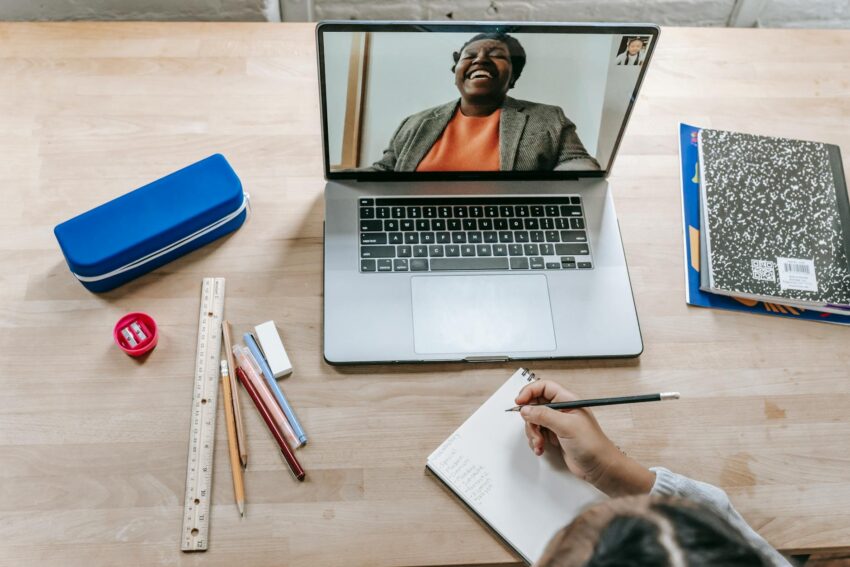
Remember that feeling of wanting to learn something new, really needing that certification or skill, but facing a mountain of obstacles? Maybe the course was only offered across town at 8 AM, clashing with your job or childcare. Or perhaps the tuition felt like buying a small car, not to mention the cost of books, transport, and a daily coffee habit. For years, traditional education, for all its undeniable merits, inadvertently built walls for countless aspiring learners. It wasn’t intentional, of course, but the reality for many was a system that demanded conformity to its schedule, its location, its pace, and its price tag.
I’ve often thought about this. We talk a lot about “accessible education,” and for a long time, that conversation rightly focused on ramps, Braille, and interpreters in physical classrooms. And that’s absolutely vital. But what most people miss is that true accessibility goes so much deeper than just physical infrastructure. It’s about tearing down every barrier that stands between a person and their potential. And here’s the thing: e-learning, when done right, is our most powerful tool yet for achieving that profound, holistic accessibility.
A World of Barriers, Not Just Walls
Think about it. Who gets left behind by traditional models? You’ve got the single parent who can’t commit to fixed class times. The professional in a rural area with limited local options for upskilling. The individual with social anxiety who struggles in a crowded lecture hall. The person with a chronic illness whose energy levels fluctuate unpredictably. And let’s not forget the sheer financial burden that can shut out an entire demographic, regardless of their academic prowess or desire to learn.
I remember my friend, Mark. He’s a brilliant guy, always wanted to get into data analytics, but he works shifts at a factory to support his family. Every local college course ran during the day, impossible for him. He was genuinely despondent, feeling like his career aspirations were just out of reach. That’s a barrier that has nothing to do with intelligence or drive, and everything to do with the rigid structure of traditional learning. The truth is, education shouldn’t be a luxury for the time-rich, the well-off, or the geographically convenient. It should be a fundamental right, available to anyone with the will to learn.
Beyond the Classroom: How E-Learning Breaks Down Real Obstacles
This is where e-learning isn’t just a convenience; it’s a revolutionary force. It’s not just about watching videos online; it’s about democratizing knowledge and skill acquisition in ways we only dreamed of a few decades ago.
Flexibility is Freedom
For Mark, and for millions like him, online learning offers unparalleled flexibility. You can study when you’re alert, when you have a quiet moment, when the kids are asleep. Whether that’s 5 AM before work or 10 PM after winding down, the learning adapts to your life, not the other way around. Self-paced courses mean you can spend extra time on a tricky concept without feeling embarrassed or rushed, and speed through what you already grasp. This autonomy is incredibly empowering, especially for adult learners juggling multiple responsibilities.
Erasing the Map: Learning Without Borders
Geographical location used to be a huge determinant of educational opportunity. Live in a small town? Your options were limited to what was nearby. Want to learn from a world-renowned expert in a niche field? Good luck moving to their university city. Now, geographical barriers are practically non-existent. You can learn from professors at institutions across the globe, access specialized courses that would never be offered locally, all from your kitchen table. I’ve personally taken courses from instructors based in different continents, something utterly impossible for me a decade or two ago.
Tailoring Education to You
Every single one of us learns differently. Some thrive in visual environments, others with audio, some need hands-on practice, and many prefer reading. Traditional classrooms, by necessity, often cater to a middle ground. E-learning platforms, however, can offer a smorgasbord of formats: interactive simulations, video lectures, detailed readings, discussion forums, quizzes, even virtual reality experiences. This diversity means you can engage with material in a way that truly resonates with your unique learning style, making education more effective and less frustrating. Plus, for individuals with certain disabilities, adaptive technologies integrate seamlessly, from screen readers to voice-to-text software, making content truly accessible in a way a physical lecture hall simply can’t always manage.
Making it Affordable
Let’s not gloss over the money aspect. While high-end online degrees can still be costly, the overall landscape of e-learning offers significantly more affordable options. Think about it: no campus fees, no dorm costs, often cheaper tuition, reduced transport and living expenses. Platforms like Coursera, edX, and many others offer incredible courses, sometimes even entire specializations, at a fraction of the cost of a traditional university. This financial accessibility is massive, opening doors for people who might otherwise be priced out of higher education entirely.
It’s Not All Smooth Sailing, Of Course
Now, I’m not saying e-learning is a magic bullet without its challenges. It requires a certain level of self-discipline, and it’s easy to feel isolated if you don’t engage with online communities. The digital divide is a real issue, too; not everyone has reliable internet access or the necessary hardware. And, yes, the quality of online courses can vary wildly, so you’ve got to be a discerning consumer. These are important considerations, absolutely. But they are challenges we can address through better infrastructure, smarter course design, and more robust support systems, rather than reasons to dismiss the entire model.
The Future is Hybrid, Human, and Highly Accessible
Look, the pandemic accelerated our adoption of e-learning out of necessity, but its true value extends far beyond crisis management. It’s fundamentally reshaping what accessible education means. I believe the future isn’t about choosing between online or in-person; it’s about intelligent integration. Hybrid models that combine the best of both worlds – the flexibility of online with the community and hands-on experience of physical spaces – are where we’re heading.
Ultimately, e-learning helps us move towards an educational ecosystem where talent and desire are the only true prerequisites, not geography, not income, not a rigid schedule. It’s about empowering every single individual to pursue knowledge, develop skills, and fulfill their potential. And that, my friends, is a future worth building.
Your Questions Answered: E-Learning & Accessibility
Is online learning truly as effective as traditional classroom learning?
In my experience, yes, it absolutely can be, and often even more effective for certain individuals or subjects. The key is quality course design, engaging content, and active participation. Many studies have shown comparable or even superior outcomes for well-designed online courses, particularly when they leverage interactive elements and offer personalized feedback.
What if I lack the self-discipline for online learning?
That’s a common concern! E-learning does require self-motivation. My advice? Start with shorter courses to build momentum, create a dedicated study space, schedule specific study times, and engage actively in online forums or study groups. Many platforms also offer features like progress trackers and reminders to help keep you on track.
How can e-learning address the digital divide?
This is a critical point. Bridging the digital divide requires a multi-pronged approach: government initiatives for widespread affordable broadband, community centers offering free internet access and devices, and schools providing equipment. As e-learning becomes more central, it underscores the urgency of ensuring everyone has basic digital access.
Are online degrees respected by employers?
Absolutely, especially from accredited institutions. The perception of online degrees has shifted dramatically. Employers today are far more interested in your skills, knowledge, and ability to apply them, regardless of whether you acquired them in a physical classroom or a virtual one. Focus on reputable institutions and demonstrable skills.
Can e-learning cater to all types of learners, including those with severe learning disabilities?
While challenges remain, e-learning offers significant advantages here. Platforms can incorporate a wide array of assistive technologies, from screen readers to closed captions, and allow for individualized pacing. The ability to revisit material repeatedly or access it in different formats can be incredibly beneficial. As technology advances, the potential for personalized, adaptive learning for all needs will only grow.