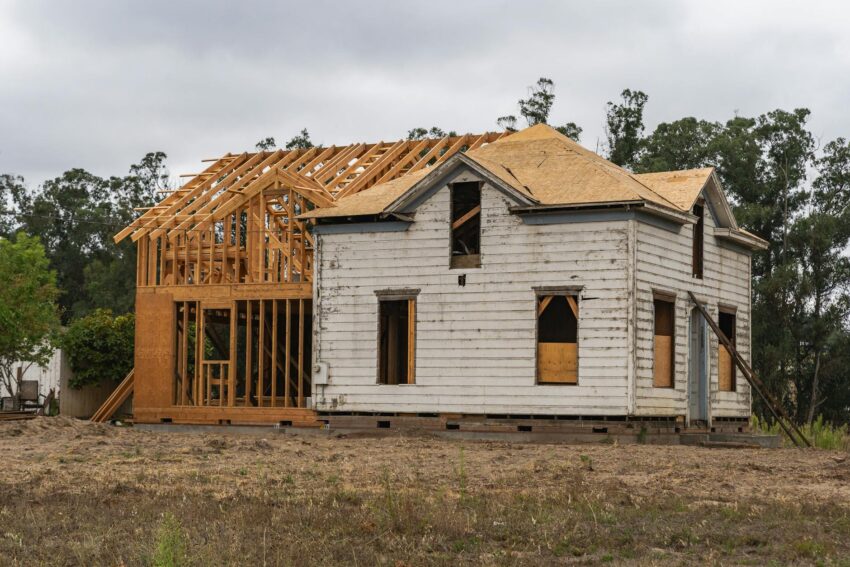
Ever walked into a house and thought, “Wow, this place has potential… or maybe just a lot of peeling paint and a suspicious smell?” If you’re anything like me, you’ve probably done both. There’s a certain magic, a particular allure, to buying a fixer-upper. It’s the dream of taking something forgotten, something that others pass over, and transforming it into your perfect home, all while potentially building some serious equity.
I’ve spent years in and around the real estate world, and I’ve seen my fair share of fixer-uppers – some turn into absolute showstoppers, while others become money pits that break hearts (and bank accounts). The truth is, buying a fixer-upper isn’t for the faint of heart, but with the right approach, it can be one of the smartest moves you’ll ever make. It’s all about spotting those hidden gems and, crucially, avoiding the costly mistakes that can sink your dreams.
Why Fixer-Uppers? Unlocking the Hidden Value
Let’s be honest, the primary driver for most of us considering a fixer-upper is the price. They’re often significantly cheaper than move-in ready homes in the same neighborhood. This lower entry cost can open up opportunities to buy in areas you might otherwise be priced out of, or simply save a substantial chunk of change upfront.
But it’s more than just the initial price tag. Here’s the thing: you’re not just buying a house; you’re buying an opportunity. An opportunity to:
- Customize Your Dream Home: Tired of beige walls and builder-grade finishes? With a fixer-upper, you get to choose every paint color, every tile, every fixture. It’s a blank canvas for your personal style.
- Build Instant Equity: When you buy a house below market value and then invest wisely in renovations, you’re essentially forcing appreciation. My friend Sarah bought a dated 70s ranch for a steal, put in about $60,000 in smart renovations – new kitchen, updated bathrooms, fresh paint – and saw its value jump by over $120,000 in just two years. That’s real money.
- Embrace the Challenge: For some, like me, there’s immense satisfaction in the process. Watching a tired, neglected space come back to life under your guidance (or even your own two hands!) is incredibly rewarding.
Spotting the Gems: What to Look For
So, you’re sold on the idea. Now, how do you sift through the duds to find that diamond in the rough? It’s all about distinguishing between cosmetic issues and structural nightmares.
Cosmetic vs. Structural: The Golden Rule
This is probably the most important distinction you’ll learn. Cosmetic problems are your friends. Structural problems? Those are your enemies.
- Cosmetic Fixes (Good!): Think outdated kitchens and bathrooms, worn carpets, peeling paint, ugly wallpaper, dingy light fixtures, old appliances, overgrown landscaping. These are typically surface-level, can often be DIY’d (saving money!), and dramatically increase a home’s appeal without breaking the bank. I once saw a perfectly functional kitchen that just needed new cabinet doors and a coat of paint to look brand new – cost effective and impactful!
- Structural Fixes (Red Flag!): These are the big-ticket items. We’re talking about foundation issues, major roof damage, extensive plumbing rerouting, electrical system overhauls, load-bearing wall removals, or significant water damage. These require professional expertise, permits, and a lot of cash. They can easily double or triple your renovation budget.
Location, Location, Location (Still Applies!)
You can change everything about a house, but you can’t change its location. A fantastic fixer-upper in a bad neighborhood will always be a fantastic fixer-upper in a bad neighborhood. Look for:
- Good school districts (even if you don’t have kids, it impacts resale).
- Proximity to amenities: shops, parks, public transport, good coffee.
- Up-and-coming areas: Research local development plans. Is there a new park or commercial center coming in?
- Stable or appreciating property values.
Good Bones: The Foundation of Your Dream
Even if it’s ugly, a house with “good bones” has a solid foundation (literally and figuratively). This means:
- Sensible Layout: Can the existing floor plan work with minor tweaks? Or will you need to move walls, creating a much larger (and pricier) project? Open concept is popular, but if the house is a maze of tiny rooms, envisioning the transformation is key.
- Natural Light: You can add fixtures, but you can’t easily add windows without major structural work. Look for homes that already have good natural light – it makes a huge difference to how a space feels.
- Architectural Character: Sometimes a dated house has beautiful original features – hardwood floors under old carpet, unique trim, solid wood doors. These are treasures that can be restored and celebrated.
Avoiding Costly Mistakes: Red Flags to Watch For
This is where your inner detective needs to come out. Never fall so in love with the “potential” that you ignore the glaring problems. What most people miss is that enthusiasm can blind them to very real, very expensive issues.
Foundation Frights
This is probably my number one warning. A bad foundation can be an absolute nightmare. Look for:
- Large cracks in the exterior brick or interior drywall (especially diagonal ones).
- Uneven floors or doors that don’t close properly.
- Bowing basement walls or significant water intrusion.
If you see any of these, consider walking away or factor in a massive repair budget, and get a structural engineer’s opinion, not just a general inspector.
Roof Worries
A leaky or old roof isn’t just an eyesore; it can lead to water damage, mold, and structural rot. Check for:
- Missing or curled shingles.
- Water stains on ceilings or walls.
- A sag in the roofline.
Replacing a roof isn’t cheap, my friends. Expect to shell out anywhere from $10,000 to $30,000+ depending on the size and materials.
Electrical & Plumbing Nightmares
These systems are critical for safety and functionality. Outdated wiring (like knob and tube) or old galvanized pipes can be dangerous and inefficient. Rewiring or repiping a whole house is a huge undertaking. Look for:
- Exposed or frayed wires.
- Fuse boxes instead of circuit breakers.
- Very low water pressure or discolored water.
- Visible leaks or extensive patch jobs on pipes.
These aren’t DIY projects unless you’re a licensed pro, and they require highly specialized (read: expensive) labor.
Permit Pitfalls
Unpermitted work by previous owners can haunt you. If renovations were done without proper permits, you might be required to tear them out and redo them, incurring fines and significant costs. Always ask your agent to investigate past permits for major renovations.
Your Dream Team: Who You Need on Your Side
You can’t do this alone. Trust me. You need a solid team.
- An Experienced Real Estate Agent: Find an agent who specializes in fixer-uppers and understands renovation potential and costs in your market. They’ll spot the good deals and warn you about the bad ones.
- A Thorough Home Inspector: This is non-negotiable. Hire the best you can find, and make sure they’re not afraid to point out every single flaw, no matter how small. Go with them, ask questions, and take notes.
- A Reputable General Contractor: Get multiple bids, check references, and verify licenses and insurance. A good contractor will be transparent about costs, timelines, and potential issues. My personal rule: I always get three quotes for anything over a few thousand dollars.
- An Architect or Designer (for bigger projects): If you’re planning significant layout changes or additions, investing in professional design advice upfront can save you headaches and money down the line.
Budgeting Realistically: The Money Talk
This is where many fixer-upper dreams die. People underestimate costs. Wildly. Here’s my advice:
- Get Detailed Quotes: Don’t just guess. Get written estimates for every major renovation you plan.
- Add a Contingency Fund: This is CRITICAL. Something always comes up. You open a wall, and suddenly you discover ancient wiring or termite damage. I recommend at least 20-30% of your total renovation budget for unexpected surprises.
- Understand Financing Options: Look into FHA 203(k) loans or conventional renovation loans. These allow you to roll the purchase price and renovation costs into one mortgage.
Remember, it’s always better to overestimate costs and be pleasantly surprised than to underestimate and run out of money halfway through a project.
Buying a fixer-upper isn’t just a transaction; it’s an adventure. It demands patience, a good eye, a strong stomach for unexpected problems, and a fantastic team. But when you finally step back and look at the transformation, seeing your vision come to life, I promise you, it’s one of the most satisfying achievements a homeowner can experience. So, go forth, look beyond the surface, and find your hidden gem!
Frequently Asked Questions About Fixer-Uppers
Q1: How much should I budget for renovations?
A: This varies wildly based on the home’s condition, your desired finishes, and your market. A good rule of thumb is to estimate your major costs (kitchen, baths, roof, HVAC, etc.) and then add a 20-30% contingency fund for unexpected issues. For a full gut renovation, you could easily spend $100,000 to $200,000+, while cosmetic updates might be $20,000-$50,000.
Q2: What’s the biggest mistake first-time fixer-upper buyers make?
A: Underestimating renovation costs and timelines. People often get swept up in the dream and don’t properly budget for the unexpected. Always get professional estimates and build in that contingency fund!
Q3: Should I DIY everything to save money?
A: While DIY can save money on cosmetic tasks like painting, landscaping, or light fixture replacement, it’s rarely a good idea for structural, electrical, plumbing, or roofing work unless you’re a licensed professional yourself. Mistakes in these areas can be dangerous, costly to fix, and may not pass inspection. Know your limits!
Q4: How do I find a good contractor?
A: Start with referrals from trusted friends, family, or your real estate agent. Interview at least three contractors, check their references (and call them!), review their past work, and ensure they are licensed and insured. Get everything in writing, including detailed scope of work, timeline, and payment schedule.
Q5: What if the home inspection reveals major issues?
A: Don’t panic! The inspection is there to inform you. You have a few options: you can ask the seller to fix the issues, negotiate a lower sale price to cover the repairs, ask for a credit at closing, or if the issues are too severe or costly, you can walk away from the deal (assuming your offer included an inspection contingency).