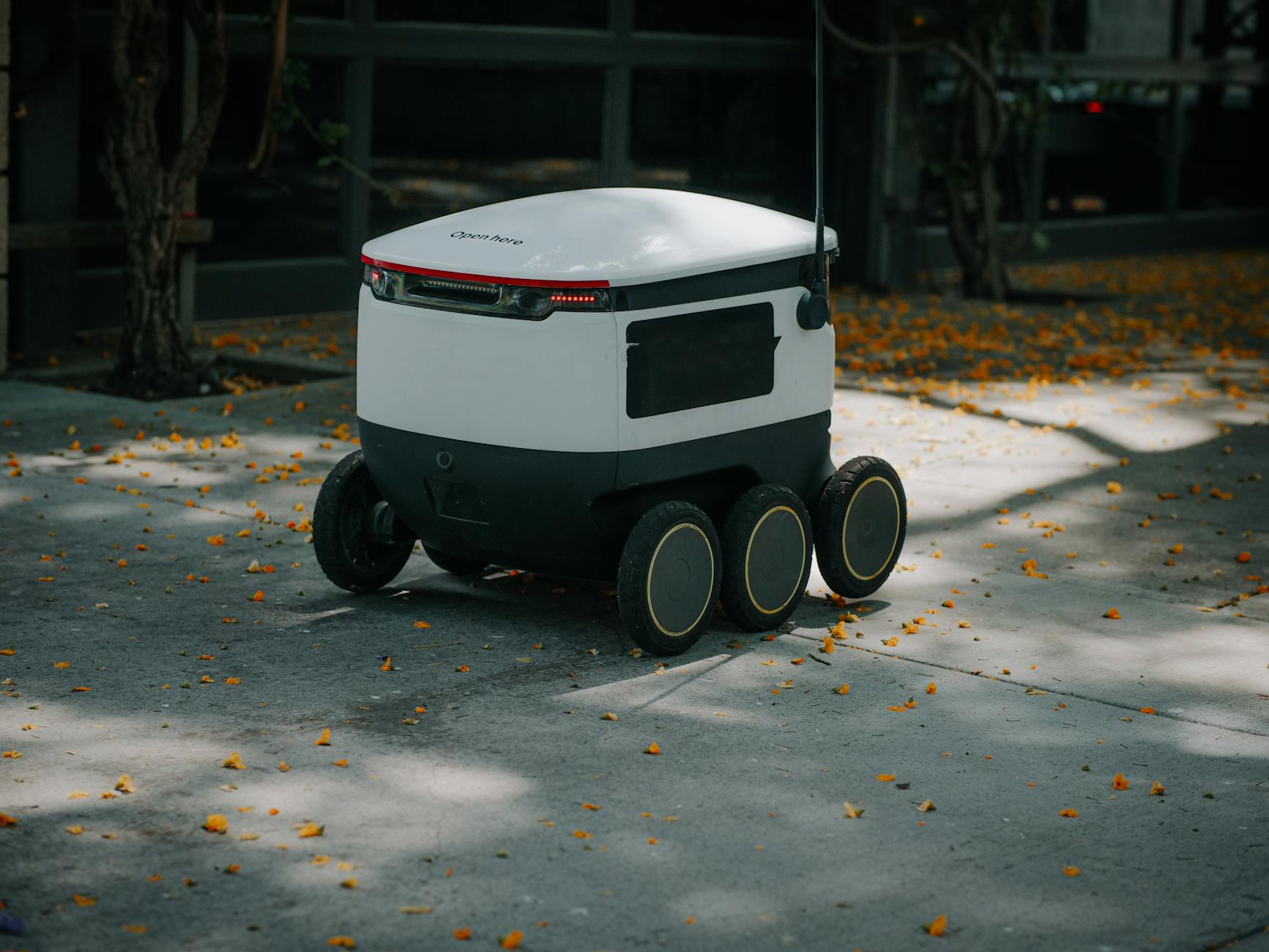
Remember that feeling? You know, the one where you’ve just implemented a shiny new SaaS tool, promised to “automate everything,” only to find yourself still spending hours configuring workflows, monitoring dashboards, and fixing tiny issues? It’s a bit like buying a self-driving car that still asks you to hold the wheel and push the pedals half the time. Frustrating, isn’t it?
For years, we’ve chased the dream of true automation, pouring resources into tools that, while helpful, often just shifted our manual tasks from one interface to another. We’ve optimized workflows, built integrations, and set up countless “if this, then that” rules. And don’t get me wrong, that’s been a huge step forward from purely manual processes. But what most people miss is that we’ve been operating on a plateau. We’ve been automating tasks, not processes, and certainly not entire business functions.
Here’s the thing: we’re on the cusp of something far more transformative. It’s no longer just about automation; it’s about autonomy. We’re witnessing the rise of truly Autonomous SaaS platforms, and trust me, this isn’t just a fancy new buzzword. This is the next frontier, fundamentally changing how businesses operate, innovate, and scale.
Automation vs. Autonomy: Understanding the Difference
Let’s clear this up right away because it’s a critical distinction. When we talk about traditional automation, we’re generally referring to predefined rules and sequences. You set up a workflow: “If a customer signs up, then send a welcome email.” Or, “If an invoice is unpaid for 30 days, then send a reminder.” It’s incredibly valuable, but it’s reactive and requires human input to design, monitor, and adjust.
I remember back in my early days, I spent countless hours building out intricate automation sequences for email marketing. They worked, mostly. But if a segment of customers behaved unexpectedly, or if an email bounce rate suddenly spiked, I still had to manually dive in, analyze the data, figure out what went wrong, and then tweak the system. The “automation” was only as smart as my last manual instruction.
Autonomous SaaS, on the other hand, takes this to an entirely different level. Imagine a platform that doesn’t just follow rules, but learns, adapts, predicts, and even self-heals. It’s like moving from a sophisticated autopilot system that flies a plane along a set flight path to an intelligent co-pilot that can sense turbulence, reroute for efficiency, manage unexpected engine issues, and constantly optimize based on real-time conditions – all without a human needing to intervene for every decision.
The truth is, these platforms leverage advanced AI, machine learning, and deep learning models to observe patterns, make decisions, and execute actions with minimal to no human oversight. They’re not just executing a script; they’re understanding context and optimizing outcomes.
What Makes a SaaS Platform Truly Autonomous?
So, what does this look like in practice? What are the hallmarks of a truly autonomous SaaS platform?
Predictive Analytics & Proactive Problem Solving
This is where things get really interesting. An autonomous platform isn’t waiting for a problem to occur; it’s actively trying to prevent it. Think about an IT operations platform that doesn’t just alert you when a server is down, but *predicts* when a server is likely to fail based on historical performance data, network traffic, and system logs. It might even proactively shift workloads or spin up new instances before any user experiences an outage. Or an advertising platform that anticipates shifts in market demand and adjusts ad spend dynamically across channels to maximize ROI, rather than just hitting a predefined budget.
Self-Optimization & Learning
One of the coolest aspects of autonomy is the ability to improve over time without constant human intervention. An autonomous platform learns from every interaction, every data point, and every outcome. Imagine a customer service platform that not only routes tickets but learns the most efficient routing paths based on agent performance, customer satisfaction scores, and resolution times. Over weeks and months, it continuously refines its routing logic, improving efficiency and customer experience organically.
Self-Healing Capabilities
Things break. It’s a fact of life in the digital world. But what if your SaaS platform could fix itself? Autonomous systems are designed with resilience in mind. If an integration fails, or a critical service goes offline, a truly autonomous platform can often diagnose the issue, attempt a fix (like restarting a service or rolling back a configuration), or even initiate a failover to a redundant system – all without a human administrator getting a late-night call. It’s about minimizing downtime and ensuring business continuity in a way traditional automation simply can’t.
Contextual Awareness
This is perhaps the most nuanced but powerful aspect. Autonomous systems don’t just process data; they understand the *context* of that data. For example, a sales engagement platform might not just send a follow-up email if a lead opens a certain number of emails. Instead, it might recognize that the lead opened those emails *after hours* on a Tuesday, implying they’re a busy executive, and then tailor the next communication to be concise and offer a direct calendar link, rather than a generic drip sequence.
The Real-World Impact: Who Benefits and How?
So, who stands to gain from this shift? Pretty much everyone, but the benefits manifest differently:
- Smaller Teams and Startups: For lean operations, autonomous SaaS is a superpower. It means doing the work of a much larger team without the associated headcount or cost. You can scale operations without proportionally scaling your workforce.
- Enterprises: For large organizations, it’s about unlocking efficiencies at scale, reducing operational overhead, and freeing up highly skilled employees from repetitive tasks to focus on strategic initiatives.
Let me give you some specific examples:
- Marketing: Beyond just scheduling posts, autonomous marketing platforms can dynamically optimize ad spend across channels, personalize website content in real-time for individual visitors, and even generate targeted content variations based on performance data. I recently worked with a client whose marketing team was able to shift 40% of their time from campaign execution to strategic planning, all thanks to an autonomous ad optimization platform.
- IT Operations: Imagine an IT environment where infrastructure proactively scales up or down based on predicted demand, security threats are identified and neutralized before they cause damage, and system anomalies are resolved automatically. This isn’t science fiction anymore.
- Customer Support: Autonomous platforms can intelligently route complex queries, proactively reach out to customers experiencing potential issues before they even complain, and even provide self-service solutions that actually work because they understand the user’s specific context.
- Sales: Lead scoring becomes dynamic and predictive, sales outreach sequences adapt based on engagement, and even pricing can be optimized in real-time depending on market conditions and customer profiles.
Addressing the Skepticism: Trust, Control, and the Human Element
Now, I know what some of you might be thinking: “Losing control? Giving away too much power to machines?” It’s a valid concern, and one I’ve grappled with myself. The idea of systems making critical decisions without human oversight can feel a bit unsettling at first.
But look, this isn’t about replacing humans. It’s about augmenting us and redefining what “control” means. Instead of controlling every tiny operational detail, we get to control the strategy, the vision, and the higher-level parameters. Our role shifts from being the operator to being the architect and the director. We set the goals, define the guardrails, and monitor the outcomes. The platform handles the minute-by-minute execution and optimization.
In my experience, this shift empowers teams to move away from the mundane and towards true innovation. It allows your brightest minds to tackle complex problems, develop new products, and foster deeper customer relationships – things that only humans can truly excel at. It’s not about being hands-off; it’s about being hands-on with the right things.
The trust isn’t blind; it’s built on transparency and verifiable outcomes. These platforms provide detailed audit trails and performance metrics, allowing you to see exactly why decisions were made and how they impacted your business goals. It’s a partnership, not a surrender.
The truth is, the world is too complex, and data too vast, for humans to manually optimize every process. Autonomous SaaS isn’t just about efficiency; it’s about unlocking capabilities and reaching levels of performance that were previously unattainable. It’s an exciting time, and I, for one, am ready to embrace it.
Frequently Asked Questions About Autonomous SaaS
Q: What’s the main difference between automation and autonomous SaaS?
A: Traditional automation follows predefined rules (“if X, then Y”) and requires human setup and monitoring. Autonomous SaaS uses AI and machine learning to learn, adapt, predict, and self-optimize without constant human intervention, making decisions based on real-time data and context.
Q: Are autonomous SaaS platforms expensive?
A: While initial investment might be higher than basic automation tools, the long-term ROI can be significant. Autonomous platforms reduce operational costs, increase efficiency, and enable scaling without proportional increases in headcount, often leading to substantial savings and increased revenue over time. It’s about value, not just cost.
Q: Will autonomous SaaS replace human jobs?
A: The consensus among experts, and in my own view, is that autonomous SaaS will transform jobs rather than simply replace them. It automates repetitive, low-value tasks, freeing humans to focus on strategic thinking, creativity, complex problem-solving, and interpersonal interactions. The human role shifts from execution to oversight, innovation, and strategic direction.
Q: How do I know if a SaaS platform is truly autonomous?
A: Look for features like predictive analytics, machine learning capabilities that allow the system to learn and improve over time, self-optimization (e.g., automatically adjusting settings for better outcomes), and self-healing mechanisms. If it still requires constant human intervention for optimization or troubleshooting, it’s likely just advanced automation, not true autonomy.
Q: What are the risks involved with adopting autonomous SaaS?
A: Risks include potential data privacy concerns (always ensure robust security and compliance), the need for careful oversight to prevent unintended outcomes (especially in early stages), and the challenge of integrating complex autonomous systems into existing tech stacks. It’s crucial to start with clear objectives, define guardrails, and implement a phased approach.