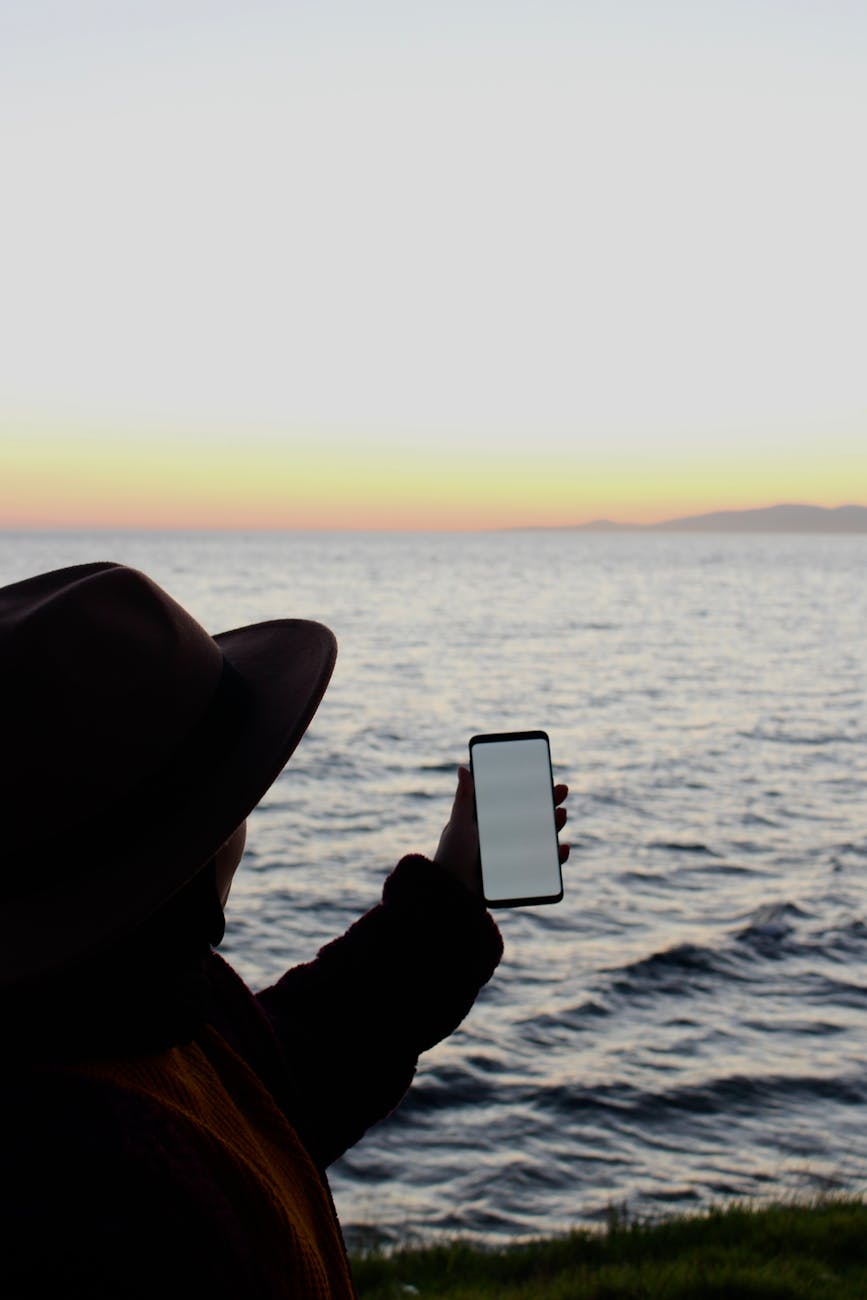
Remember the last time you spent an entire afternoon *without* checking your phone? Or maybe even an hour? For most of us, that’s become a rare, almost mythical experience. We’re tethered to our devices, constantly pinged, scrolled, and swiped into a digital vortex.
For years, the conversation around our screen habits has largely revolved around blue light – that specific wavelength emitted by our devices that messes with our sleep cycle. And don’t get me wrong, blue light is a genuine concern, one I’ve personally felt the effects of when I’ve scrolled too late into the night. But here’s the thing: focusing *only* on blue light is like worrying about a single leaky faucet when your entire house is flooding. The impact of constant digital engagement goes so much deeper, affecting our mental, emotional, and even physical health in ways we’re only just beginning to fully understand.
What I’ve come to realize, both through my own experiences and watching countless others, is that a digital detox isn’t just about dimming the screen; it’s about reclaiming your real-world well-being. It’s about stepping beyond the blue light and into a richer, more present life.
The Hidden Costs of Constant Connectivity
We live in an always-on culture, and while that offers incredible convenience, it comes with a significant toll. Many people think they’re managing just fine, but the insidious nature of digital overload means its effects often creep up on you. You might not even recognize the symptoms as being tied to your screen habits.
Fragmented Focus and Mental Clutter
Have you ever sat down to read a book, only to find your mind drifting after a few paragraphs, itching to check a notification? Or tried to concentrate on a task, but your brain felt like a browser with 50 tabs open? That’s not just you being easily distracted; that’s your brain being rewired by constant interruptions.
The truth is, our brains aren’t wired for perpetual alerts. Each notification, each quick scroll, pulls our attention away, demanding a cognitive switch. Over time, this erodes our ability to focus deeply, to engage in sustained thought, or even to enjoy a quiet moment without feeling the urge to “do” something with our phone. I remember trying to write a complex article a few years back, and every time my phone buzzed, even if I didn’t pick it up, it broke my train of thought. It was exhausting. Once I started putting my phone in another room during focused work, the difference was night and day. My thoughts flowed; the words came easier.
The Emotional Rollercoaster: Stress, Anxiety, and Comparison
Look, social media, despite its name, can be incredibly isolating. We’re constantly bombarded with highlight reels – curated, perfected glimpses into other people’s lives that rarely reflect reality. It’s a relentless treadmill of curated perfection, and it breeds comparison. “Why aren’t *I* on that exotic vacation?” “Why don’t *I* have a perfectly styled home?” This constant comparison breeds feelings of inadequacy, FOMO (Fear Of Missing Out), and genuine anxiety.
Beyond comparison, the sheer volume of news, opinions, and even arguments we consume online can be overwhelming. Our nervous systems simply aren’t designed to process that much information and emotional input at once, especially just before bed. I genuinely believe this is one of the most insidious effects, silently chipping away at our emotional resilience and leading to chronic low-level stress we often don’t even attribute to our screens.
Sleep Beyond Blue Light: Deeper Rest for Your Brain
Yes, blue light suppresses melatonin, making it harder to fall asleep. We know that. But what most people miss is the *mental stimulation* that comes from consuming content right before bed. Scrolling through news, watching intense videos, or getting into a comment thread isn’t exactly a lullaby for your brain. Your mind needs to wind down, not wind up, before sleep. If your last waking moments are spent absorbing information, your brain is still processing that as you try to drift off, leading to restless sleep or difficulty falling asleep even after you put the device down.
Physical Toll: Beyond Eye Strain
Of course, there’s eye strain from staring at screens for hours. But think about your posture. That notorious “tech neck” hunch is real, leading to headaches, neck pain, and even back issues. Our bodies are designed for movement, not for being hunched over a glowing rectangle for extended periods. A digital detox often means more time *away* from screens, which naturally translates into more time for physical activity, whether it’s walking, gardening, or just stretching. I used to get terrible tension headaches; turns out, a lot of it was from poor posture while glued to my laptop and phone.
Reclaiming Real-World Relationships and Experiences
How many times have you been out to dinner with friends, only to see half the table engrossed in their phones? Or been chatting with your partner, only to have them glance down mid-sentence? It’s a subtle but powerful barrier to genuine connection. What most people miss is how much these devices steal from our present moments, from the nuances of face-to-face conversation, from truly being *with* the people we care about.
I remember a dinner where I put my phone away and deliberately engaged. I noticed facial expressions I usually missed, heard subtle shifts in tone, and felt a deeper connection with my friends. It sounds simple, but it was a revelation. A digital detox forces you to look up, to listen actively, and to be truly present in your interactions.
Rediscovering Creativity and Self-Reflection
When was the last time you were truly bored? That kind of boredom that used to spark imagination, lead to new ideas, or encourage deep thought? Now, any moment of quiet is instantly filled with a screen. We’re losing the space for introspection, for daydreaming, for letting our minds wander and create.
A digital detox offers a return to that mental whitespace. Suddenly, you have time to pursue forgotten hobbies, read a physical book, sketch, play an instrument, or simply sit with your thoughts. It’s amazing what clarity and creative energy can emerge when you unplug from the constant digital hum.
My Journey: A Weekend Recharge
I distinctly remember my first real intentional digital detox. It wasn’t a week-long retreat in the mountains; it was a simple, self-imposed rule for a long weekend camping trip. My phone went into a Faraday bag (a gift from a friend) and stayed there. The first few hours were weird. I kept reaching for it, a phantom vibration in my pocket. I felt a slight unease, a sense of being “out of the loop.”
But then, something shifted. I found myself really looking at the trees, the campfire, the stars. My conversations with my partner felt deeper, more focused. I read an entire novel, something I hadn’t done in months. I noticed the sounds of nature, the smell of pine, the warmth of the sun in a way I hadn’t in ages. When Monday morning rolled around, I felt unbelievably refreshed. Not just physically, but mentally. It was like I’d given my brain a much-needed spa day. That experience fundamentally changed how I approach my relationship with technology.
Ready to Unplug? Practical Steps for Your Own Detox
You don’t need to go cold turkey or disappear into the wilderness for a month. Even small, consistent steps can make a huge difference.
- Start Small: Begin with device-free dinners, an hour before bed, or a “no phone until after coffee” rule in the morning. Even just one day a week can reset your perspective.
- Set Boundaries: Designate “no-phone zones” in your home, like the bedroom or dining table. Use your phone’s “Do Not Disturb” feature liberally, perhaps scheduling it for certain hours.
- Delete Distractions: Remove social media apps from your phone. Access them only from a computer if you must. Turn off non-essential notifications for all apps.
- Find Alternatives: Fill the void with real-world activities. Read a book, go for a walk, call a friend on the actual phone, try a new recipe, pursue a hobby.
- Communicate Your Intentions: Let friends and family know you’re taking a break. This manages expectations and prevents them from worrying if you don’t respond immediately.
- Observe and Reflect: Pay attention to how you feel during your detox. What changes do you notice? What do you miss? What do you gain?
A digital detox isn’t about rejecting technology; it’s about mastering it. It’s about choosing when and how you engage, rather than being passively pulled along by algorithms and notifications. It’s about remembering that the richest, most vibrant parts of life happen in the real world, beyond the glow of a screen.
So, go ahead. Unplug. Look up. Breathe. Your real-world health will thank you for it.
Frequently Asked Questions About Digital Detoxes
How long should a digital detox be to be effective?
There’s no single “right” answer here. Even a few hours can make a difference. Many people start with a day or a weekend, then try to integrate device-free periods into their daily routine (e.g., no phone after 8 PM). A longer break, like a week, can offer a more profound reset, but consistency with shorter breaks is also incredibly valuable.
What if my job requires me to be online constantly?
This is a common challenge! A work-related digital detox might look different. Focus on setting strict boundaries outside of work hours. Turn off work notifications after a certain time, avoid checking work emails on your personal phone, and ensure you take screen breaks during your workday. The goal isn’t to abandon technology, but to use it intentionally.
How do I deal with FOMO (Fear Of Missing Out) during a detox?
FOMO is a powerful feeling, but it’s often an illusion. Remind yourself that what you’re “missing out on” online is often curated, superficial, or simply not as important as what you’re gaining in real life: presence, calm, and genuine connection. Focus on the positive experiences you’re having during your detox, and remember that real life is happening *now*, not on your feed.
Are there any apps that can help me with a digital detox?
Ironically, yes! Apps like Freedom, Forest, or Moment can help you track screen time, block distracting apps/websites, or even gamify the process of staying off your phone. They can be great tools for building new habits, especially when you’re just starting out.
What are some good alternative activities to do during a digital detox?
The possibilities are endless! Think about activities that engage your senses or require sustained attention: reading a physical book, going for a walk in nature, cooking a new recipe, gardening, pursuing a creative hobby (drawing, painting, playing an instrument), writing in a journal, spending quality time with loved ones (without phones), playing board games, or simply practicing mindfulness and meditation.