Do you ever just feel… off? Not sick, exactly, but not quite right either. Maybe it’s that persistent brain fog that makes simple tasks feel like climbing Mount Everest. Or the nagging aches and stiffness that seem to have taken up permanent residence in your joints. Perhaps it’s the constant fatigue that no amount of coffee can conquer, or skin issues that just won’t clear up. You know what I’m talking about, right?
For years, I brushed these things off as “just getting older” or “being stressed.” We’ve all been there. But what if I told you that for many of us, these seemingly disparate symptoms are all connected by one underlying, insidious force? A silent fire smoldering within your body, slowly but surely causing damage. I’m talking about chronic inflammation.
The truth is, inflammation isn’t always the bad guy. Acute inflammation? That’s your body’s brilliant immediate response to injury or infection – a sprained ankle swells, a cut gets red. It’s vital for healing. But when that inflammatory response lingers, day after day, week after week, without a clear threat to fight off, that’s when it becomes a problem. It becomes a chronic, low-grade rumble that can undermine your health in countless ways. And what most people miss is just how pervasive and destructive this silent fire can be.
In my experience, once you understand this, it’s like a lightbulb goes off. You start to connect the dots between that afternoon slump, your joint pain, and even your mood. And the good news? You have incredible power to tame this fire. It doesn’t require drastic, impossible overhauls. Often, it’s about simple, consistent habits that stack up to profound change.
My Journey to Understanding the Fire
I distinctly remember a period in my late twenties. I was burning the candle at both ends, eating convenience foods, and pretty much living on coffee and adrenaline. My body was screaming at me, but I wasn’t listening. I had constant stomach issues, my skin was a mess, and I felt sluggish even after a full night’s sleep. My doctor would say, “Well, your blood work looks okay,” but I knew something wasn’t right. I was frustrated. I felt dismissed. It was only when I started researching holistic health and nutrition that I stumbled upon the concept of chronic inflammation.
It was a revelation. Suddenly, all my seemingly unrelated symptoms started to make sense. The processed foods, the lack of sleep, the constant stress – they were all fueling my body’s internal fire. Once I started making small, intentional changes, the difference was remarkable. My energy levels soared, my skin cleared, and those nagging aches? They faded. It wasn’t overnight, mind you, but it was consistent progress. And that’s why I’m so passionate about sharing this with you. Because if I can turn things around, you absolutely can too.
The Usual Suspects: What’s Fueling Your Fire?
Before we douse the flames, let’s talk about what’s fanning them in the first place. Understanding the triggers is the first step towards reclaiming your health.
The SAD Truth About Your Plate
Let’s be honest, the modern Western diet – often affectionately (or perhaps not so affectionately) called the Standard American Diet (SAD) – is a major culprit. Think about it: highly processed foods, sugary drinks, refined carbohydrates, and an imbalance of unhealthy fats. These aren’t just empty calories; they’re inflammatory triggers.
- Sugar: It’s everywhere, and it’s a huge problem. Excess sugar intake spikes blood glucose, which leads to advanced glycation end products (AGEs) – powerful inflammatory compounds.
- Refined Carbohydrates: White bread, pasta, pastries… these break down into sugar almost immediately in your body, leading to the same inflammatory cascade.
- Unhealthy Fats: Industrial seed oils like soybean, corn, and sunflower oil, which are high in omega-6 fatty acids, can promote inflammation when consumed in excess and out of balance with omega-3s. Fried foods are a double whammy here.
- Processed Meats: Things like hot dogs, bacon, and deli meats have been linked to increased inflammation due to their processing and additives.
I remember a client, Sarah, who came to me with debilitating migraines and joint pain. She ate what she thought was a “normal” diet – cereal for breakfast, a sandwich for lunch, and pasta for dinner, with a few sugary snacks in between. When we slowly started removing these inflammatory foods, her migraines significantly reduced, and her joint pain became manageable. It was a powerful demonstration of food as medicine.
The Silent Stressor: Chronic Stress
We live in a high-octane world, don’t we? Our bodies are designed to handle short bursts of stress – the “fight or flight” response. But when stress becomes chronic, it keeps our cortisol levels elevated, which, over time, can lead to systemic inflammation. It’s a vicious cycle: stress fuels inflammation, and inflammation can make you feel more stressed. I’ve found that this is often the hardest one for people to tackle, because stress feels so ingrained in our lives.
Sleep: Your Body’s Repair Crew is on Strike
Look, I get it. Life is busy. But consistently skimping on sleep is like telling your body’s repair crew to go home early every night. While you sleep, your body goes into repair mode, clearing out cellular waste and regulating hormones. Insufficient sleep, especially chronic sleep deprivation, increases inflammatory markers in the body. It’s a non-negotiable for good health, and honestly, one of the first things I ask people about when they’re feeling rundown.
Movement as Medicine (or Lack Thereof)
Our bodies are designed to move. A sedentary lifestyle contributes to weight gain, particularly visceral fat around the organs, which is metabolically active and produces inflammatory chemicals. Regular physical activity, on the other hand, acts like an anti-inflammatory agent, reducing inflammatory markers and improving overall health. You don’t need to become an Olympic athlete; just consistent movement makes a world of difference.
Simple Habits to Douse the Flames
Now, let’s get to the good stuff. The habits that empower you to take control. These aren’t about perfection; they’re about progress and consistency. Think of them as your daily fire extinguishers.
Food as Your Pharmacy: Eating Your Way to Calm
This is where you have incredible power. Every meal is an opportunity to either fuel the fire or douse it. It’s a choice, pure and simple.
Embrace Whole, Unprocessed Foods
This is the cornerstone. Fill your plate with vibrant, nutrient-dense foods. Think about what grew from the earth or had a face. The closer a food is to its natural state, the better.
- Fruits and Vegetables: These are packed with antioxidants and phytonutrients that combat inflammation. Aim for a rainbow of colors every day. Berries, leafy greens (spinach, kale), broccoli, bell peppers, tomatoes, and cherries are particularly potent.
- Lean Proteins: Wild-caught salmon, mackerel, and sardines are rich in omega-3 fatty acids – powerful anti-inflammatory agents. Pasture-raised poultry and grass-fed beef (in moderation) are also good choices. Legumes like lentils and beans offer plant-based protein and fiber.
- Whole Grains (in moderation): If you tolerate them well, opt for true whole grains like quinoa, brown rice, oats, and buckwheat, which provide fiber and essential nutrients.
Healthy Fats Are Your Friends
Don’t fear fat! The right fats are crucial for reducing inflammation.
- Omega-3s: Beyond fatty fish, incorporate flaxseeds, chia seeds, and walnuts into your diet. These are vital for balancing omega-6s and cooling inflammation.
- Monounsaturated Fats: Olive oil (extra virgin, cold-pressed), avocados, and nuts (almonds, pecans) are excellent sources.
Spices and Herbs: Nature’s Anti-Inflammatories
My kitchen is practically a spice shop, and for good reason! Many common spices are incredibly potent anti-inflammatory agents.
- Turmeric: Contains curcumin, a powerful anti-inflammatory compound. Pair it with black pepper for better absorption. I add it to everything from scrambled eggs to soups.
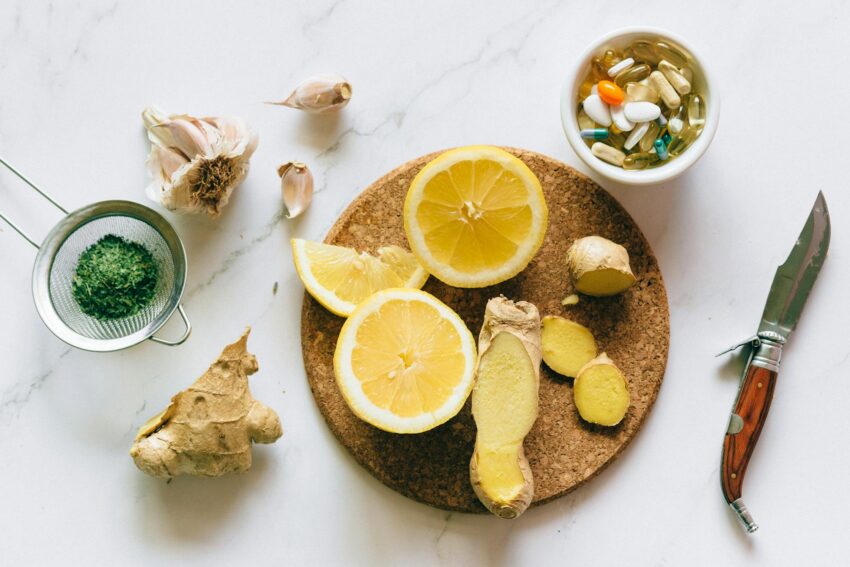
- Ginger: Great for digestion and inflammation. Try it in tea, stir-fries, or smoothies.
- Garlic and Onions: Rich in sulfur compounds that have anti-inflammatory effects.
- Green Tea: Packed with antioxidants called catechins. Swap out that second cup of coffee for a calming green tea.
Hydration: Don’t Forget the Water!
This sounds simple, but it’s often overlooked. Water is essential for every bodily function, including detoxification and nutrient transport. Staying well-hydrated helps your body flush out toxins and keeps everything running smoothly, reducing the burden on your system. Aim for at least 8 glasses a day, more if you’re active.
The “What Not To Eat” Cheat Sheet
Just as important as what you *do* eat is what you *avoid* (or significantly reduce). If you want to put out the fire, you can’t keep throwing fuel on it.
- Added Sugars: This includes high-fructose corn syrup, sucrose, and anything ending in “-ose.” Read labels!
- Refined Grains: White bread, white pasta, sugary cereals. Swap them for whole-grain alternatives or, even better, vegetable-based options.
- Processed Foods: Anything in a package with a long list of ingredients you can’t pronounce. These are often high in unhealthy fats, sugar, and sodium.
- Trans Fats: Found in hydrogenated oils, often in fried foods, baked goods, and some margarines. Avoid them at all costs.
- Excess Omega-6 Industrial Seed Oils: Soybean, corn, sunflower, safflower, cottonseed oil. Cook with olive oil, avocado oil, or coconut oil instead.
- Artificial Sweeteners and Additives: These can disrupt gut health and potentially trigger inflammatory responses in some individuals.
It sounds like a lot, I know. But start small. Maybe for one week, you cut out sugary drinks. The next week, you focus on replacing white bread with whole grains or lettuce wraps. Small, consistent changes are far more sustainable than radical overhauls.
Mastering Movement: Your Body’s Natural Anti-Inflammatory
You don’t need to become a gym rat to reap the anti-inflammatory benefits of movement. The key is consistency and finding something you genuinely enjoy.
Consistency Over Intensity
A short walk every day is far better than an intense workout once a month. Aim for at least 30 minutes of moderate-intensity activity most days of the week. This could be brisk walking, cycling, swimming, or dancing. The goal is to get your heart rate up and blood flowing.
Mix It Up
Vary your routine to engage different muscle groups and keep things interesting. Incorporate:
- Cardio: Good for heart health and reducing systemic inflammation.
- Strength Training: Builds muscle mass, which helps improve metabolism and reduce inflammatory markers.
- Flexibility and Balance: Yoga, Pilates, or simple stretching can reduce stiffness and improve circulation, alleviating localized inflammation.
I often tell my clients, “Just move more.” Take the stairs, park further away, walk during your lunch break. Even small bursts of activity throughout the day add up. My personal favorite? A long walk in nature. It combines movement with stress reduction, which is a powerful combo.
The Power of Zzz’s: Crafting Your Sleep Sanctuary
This is often the first domino to fall when life gets hectic, but it’s one of the most critical for taming inflammation. Your body heals and repairs itself during sleep. Undermine that, and you’re inviting trouble.
- Prioritize 7-9 Hours: Make sleep a non-negotiable. Treat it with the same importance as healthy eating or exercise.
- Establish a Consistent Sleep Schedule: Go to bed and wake up around the same time every day, even on weekends. This helps regulate your circadian rhythm.
- Create a Relaxing Bedtime Routine: Dim the lights, take a warm bath, read a book, listen to calming music. Avoid screens (phones, tablets, TV) for at least an hour before bed. The blue light suppresses melatonin production.
- Optimize Your Sleep Environment: Keep your bedroom dark, quiet, and cool. Invest in comfortable bedding.
I used to think I could function perfectly fine on five or six hours of sleep. Boy, was I wrong. The brain fog, the irritability, the constant cravings – they were all tied to my poor sleep habits. Once I committed to a consistent bedtime and ritual, it was like a complete system reset.
Stress Less, Live More: Finding Your Calm in the Chaos
Given the link between chronic stress and inflammation, learning to manage stress is paramount. This isn’t about eliminating stress – that’s impossible – but changing your reaction to it.
- Mindfulness and Meditation: Even 10-15 minutes a day can make a huge difference. There are tons of free apps and guided meditations available. It teaches you to observe your thoughts without judgment and to bring yourself back to the present moment.
- Deep Breathing Exercises: Simple, powerful, and you can do them anywhere. Inhale slowly through your nose, hold briefly, then exhale even more slowly through your mouth. This activates your parasympathetic nervous system, the “rest and digest” mode.
- Time in Nature: Spending time outdoors – a walk in the park, gardening, simply sitting by a tree – has incredible stress-reducing benefits. It’s truly restorative.
- Connect with Others: Strong social connections are a buffer against stress. Spend time with people who uplift you.
- Hobbies and Play: Engage in activities purely for enjoyment. Whether it’s painting, playing an instrument, or knitting, having an outlet for creative expression or simple fun is crucial.
For me, a daily walk with my dog and 15 minutes of quiet reading before bed are non-negotiables. They’re my anchors in a sometimes-stormy day, and I’ve found they significantly reduce my overall stress levels.
Your Gut: The Second Brain of Inflammation
What most people miss is just how intrinsically linked our gut health is to our inflammatory response. Your gut microbiome – the trillions of bacteria living in your intestines – plays a huge role in your immune system and inflammation. An imbalance (dysbiosis) can lead to a leaky gut, allowing toxins to enter your bloodstream and trigger inflammation.
- Probiotics: Introduce beneficial bacteria through fermented foods like kimchi, sauerkraut, kefir, and unsweetened yogurt. You can also consider a high-quality probiotic supplement.
- Prebiotics: These are the fibers that feed your good gut bacteria. Find them in foods like garlic, onions, leeks, asparagus, bananas, and oats.
- Fiber: A high-fiber diet is crucial for gut health and regular bowel movements, helping to eliminate toxins.
When I started incorporating more fermented foods into my diet, I noticed a significant improvement in my digestion and overall energy. It’s a powerful connection that shouldn’t be overlooked.
Putting It All Together: Small Steps, Big Impact
Look, I know this might feel like a lot. But the goal isn’t perfection; it’s consistency and conscious effort. You don’t have to overhaul your entire life overnight. Pick one or two areas that resonate most with you and start there. Maybe it’s cutting out sugary drinks, or committing to a 20-minute walk every day, or simply aiming for 7 hours of sleep.
Listen to your body. It’s constantly giving you feedback. When you start making these changes, you’ll notice subtle shifts – more energy, clearer skin, less joint stiffness, improved mood. These are your body’s way of saying, “Thank you! Keep going!”
Taming your body’s silent fire is a journey, not a destination. It requires patience, persistence, and a willingness to experiment. But I promise you, the reward – a body that feels vibrant, energetic, and resilient – is absolutely worth every single step.
Frequently Asked Questions About Inflammation
Q1: How long does it take to see results from an anti-inflammatory diet?
A: This really varies from person to person, but many people start noticing subtle improvements in energy, digestion, or pain levels within a few weeks to a month of consistent effort. For more chronic or severe symptoms, it might take a few months to see significant changes. The key is consistency – stick with it!
Q2: Are there any specific foods that are universally inflammatory for everyone?
A: While certain foods like refined sugar, processed foods, and unhealthy fats are widely recognized as inflammatory triggers for most people, individual sensitivities can vary. For example, some people might be particularly sensitive to gluten or dairy, which can cause an inflammatory response for them, even if others tolerate it well. Paying attention to how your body reacts to different foods is crucial.
Q3: Can supplements help reduce inflammation?
A: Yes, certain supplements can be beneficial, but they should always complement a healthy diet and lifestyle, not replace them. Omega-3 fatty acids (fish oil), turmeric (curcumin), ginger, and Vitamin D are popular choices for their anti-inflammatory properties. Always consult with a healthcare professional before starting any new supplement regimen to ensure it’s appropriate for you and doesn’t interact with any medications.
Q4: Is moderate alcohol consumption okay, or should I avoid it completely?
A: This is a tricky one. While some studies suggest that very moderate red wine consumption (due to resveratrol) might have some benefits, alcohol, in general, is considered an inflammatory substance. For many people, especially those struggling with chronic inflammation, reducing or eliminating alcohol can significantly help. My advice is to listen to your body and observe how alcohol affects you. If you choose to drink, keep it very occasional and in minimal amounts.
Q5: How do I know if I have chronic inflammation?
A: While there are blood tests (like C-reactive protein, ESR) that can indicate inflammation, often the signs are more subtle and experiential. Persistent fatigue, unexplained aches and pains, digestive issues, skin problems, brain fog, and mood disturbances are common indicators. If you suspect chronic inflammation, discussing your symptoms with your doctor and considering some of the lifestyle changes outlined in this article is a great starting point.