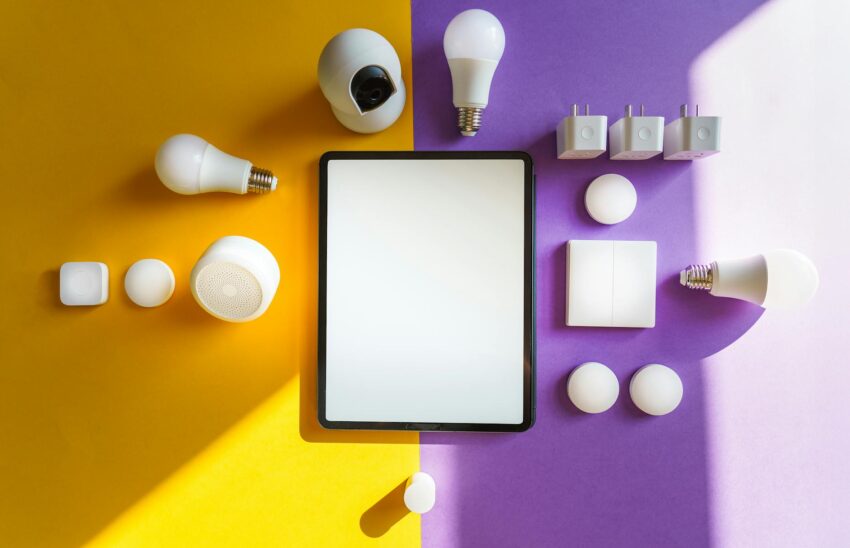
Ever stare at your energy bill and wonder if there’s *anything* more you could be doing? You recycle, you turn off lights, maybe you even compost, but still, that monthly utility statement lands like a lead balloon. It makes you feel a bit helpless, doesn’t it? Like you’re constantly fighting an uphill battle against consumption in a world that just keeps demanding more power.
Here’s the thing: it doesn’t have to be such a struggle. I used to feel that way too, constantly nagging myself about forgetting to unplug a charger or leaving the AC on too high. But then I started really digging into smart home technology, and what I discovered wasn’t just convenience – it was a powerful, practical pathway to genuinely sustainable living. It turns out, those shiny gadgets aren’t just for showing off; many of them are quietly revolutionizing how we interact with our homes and, crucially, how much energy and water we consume.
For years, “eco-friendly” often meant making sacrifices or investing in expensive, large-scale solutions. Now, though, the landscape has shifted dramatically. We’re seeing an incredible convergence of innovation, accessibility, and a growing collective conscience about our planet. My passion for technology has always been about making life better, and when I realized how much these smart devices could contribute to a greener lifestyle without feeling like a chore, I was all in. I’ve spent countless hours researching, testing, and integrating these systems into my own home, and I can tell you firsthand: they work. They really do.
So, if you’re curious about how a little bit of tech wizardry can make a big difference for your wallet and the planet, you’re in the right place. Let’s explore how smart home gadgets are paving the way for a more sustainable future, one intuitive tap and automated schedule at a time.
The Green Revolution at Home: Why Smart Tech Matters
Think about it: our homes are massive consumers of resources. Heating and cooling, lighting, running appliances, even just having devices plugged in – it all adds up. The truth is, a significant portion of our carbon footprint stems directly from our household operations. What most people miss is that much of this consumption is inefficient, driven by human forgetfulness, convenience, or simply a lack of real-time information.
This is precisely where smart home tech steps in. It’s not about replacing everything you own with something digital; it’s about making your existing systems, and any new ones you introduce, work *smarter*. These devices offer precision, automation, and most importantly, data. They help us understand where our energy and water are going, allowing us to make informed decisions and often, automated adjustments, that lead to substantial savings and reduced environmental impact. It’s a win-win: save money, save the planet.
From my own journey, I can tell you that the initial investment might seem like a hurdle, but the long-term benefits quickly outweigh it. I’m talking about more than just feel-good vibes; I’m talking tangible reductions in utility bills and a genuine sense of contributing positively. It’s not just about turning lights off; it’s about making them turn off *when they need to* and *only when they need to*, without you even having to think about it.
Key Gadgets Powering Your Eco-Friendly Smart Home
Let’s get into the specifics. There’s a whole ecosystem of smart devices out there, but a few categories stand out for their direct impact on sustainability.
Smart Thermostats: Heating and Cooling Smarter, Not Harder
This is often the first smart home gadget people adopt, and for good reason. Your HVAC system is typically the biggest energy hog in your home. A traditional thermostat is pretty dumb; it just holds a temperature. A smart thermostat, on the other hand, is a bona fide genius.
I remember when I first installed a Nest thermostat. Before that, I’d constantly adjust the temperature, forgetting to turn it down when I left for work or cranking it up too high when I got home. The first month after installing the Nest, I was genuinely shocked by the savings. It learned my schedule, knew when I was home (and, more importantly, when I wasn’t), and adjusted itself accordingly. It even detected when the house was empty using geofencing from my phone. Talk about futuristic!
Beyond learning your habits, these devices offer:
- Remote Control: Forgot to turn off the AC before leaving for vacation? No problem, just open the app. I’ve saved myself from countless hours of unnecessary cooling (or heating) with this feature alone.
- Scheduling & Zones: You can set precise schedules for different times of day and, with multiple sensors, even manage different zones of your home independently. Why heat the guest bedroom if no one’s in it?
- Energy Reports: This is huge. My Nest app gives me detailed reports on my energy usage, showing me exactly when I’m consuming the most and offering tips on how to improve. It’s like having a personal energy auditor right in your pocket.
- Weather Integration: Many smart thermostats connect to local weather forecasts, pre-cooling or pre-heating your home before extreme temperatures hit, reducing the strain on your system.
Brands like Nest, Ecobee, and Honeywell offer fantastic options, each with their own unique features. My advice? Look for one that integrates well with your existing smart home ecosystem and offers robust energy reporting.
Smart Lighting: Shedding Light on Efficiency
Lighting is another area where small changes can lead to big savings. For years, the big push was simply switching to LEDs – and absolutely, you should still do that! But smart lighting takes it a step further, optimizing *when* and *how much* light you use.
I used to be the worst for leaving lights on in empty rooms. It’s just one of those things, isn’t it? You walk out, distracted, and boom, the living room is lit up like a Christmas tree all day. With smart lighting, that’s practically a problem of the past.
- Motion & Occupancy Sensors: These are brilliant. Lights turn on when you enter a room and off when you leave. Simple, effective, and it completely eliminates accidental waste. I have them in my pantry and garage, and it’s amazing how much less I think about switches now.
- Scheduling & Automation: Set lights to turn on and off at specific times, or even tie them to sunrise/sunset schedules. Not only is it energy efficient, but it also adds a layer of security, making it look like someone’s home even when you’re away.
- Dimming & Tunable White: Most smart bulbs allow you to dim them, using less power. Some even let you adjust the color temperature, offering warm light in the evenings and brighter, cooler light during the day, which can subtly impact your mood and energy levels while being more efficient.
- Voice Control: “Hey Google, turn off the kitchen lights.” Not strictly eco-friendly, but it *is* convenient, and convenience often leads to better adherence to energy-saving habits.
Philips Hue is the gold standard here, but brands like Wyze, Sengled, and GE Cync offer more budget-friendly alternatives that still deliver excellent functionality. The key is to think about *how* you use light in each space and tailor your smart solution accordingly.
Smart Plugs & Power Strips: Battling Phantom Power
This is one of my personal favorites because it tackles a problem many people don’t even realize they have: “phantom power” or “vampire drain.” That’s the electricity consumed by devices even when they’re turned off but still plugged in. Think about your TV, your phone charger, your coffee maker, your gaming console – they’re all silently sucking power, 24/7.
I was skeptical about how much difference smart plugs could make until I started monitoring. I plugged my entertainment center into a smart power strip that could individually control each outlet. Lo and behold, my gaming console and TV were drawing a surprising amount of power even when off. Now, I have a simple routine: when I say “Goodnight” to my smart assistant, it not only turns off the lights but also cuts power to all non-essential devices in my living room. It’s a small change, but those watts add up over time.
- Remote On/Off: Turn any plugged-in device on or off from your phone. Perfect for that space heater you forgot about or the hair straightener you might have left on.
- Scheduling: Set specific times for devices to power on and off. Charge your phone only during off-peak hours, or ensure your modem reboots daily for better performance while cutting power overnight.
- Energy Monitoring: Many smart plugs come with built-in energy monitoring, showing you exactly how much power a connected device is drawing. This insight is incredibly powerful for identifying those hidden energy vampires.
TP-Link Kasa, Meross, and Wyze all offer reliable and affordable smart plugs and power strips. This is a super accessible and often overlooked category for immediate energy savings.
Water Management: Conserving Every Drop
Water conservation is just as critical as energy efficiency, and smart tech has made significant strides here too. Whether it’s the water we drink, bathe in, or use to irrigate our gardens, there are smart solutions to reduce waste.
My own “aha!” moment with smart water tech came during a particularly dry summer. I had a traditional sprinkler system, and I was just guessing how much water my lawn needed. Then I installed a Rachio smart sprinkler controller. This thing is brilliant. It connects to local weather stations, knows when it’s rained, and automatically adjusts its schedule. It even considers soil type, plant type, and sun exposure. My lawn looked healthier than ever, and my water bill went down noticeably. Plus, it saved me the hassle of manually turning off sprinklers during a sudden downpour.
Beyond irrigation, consider:
- Smart Leak Detectors: These small sensors can be placed near water heaters, under sinks, or in basements. If they detect moisture, they send an alert to your phone. I had a tiny drip under my kitchen sink once – caught it instantly thanks to a leak detector, preventing what could have been a much larger (and costlier) problem down the line.
- Smart Water Shut-Off Valves: For ultimate peace of mind, some systems can automatically shut off your main water supply if a major leak is detected. This is a fantastic safeguard, especially if you travel frequently.
Rachio and Rain Bird lead the way in smart irrigation. For leak detection, Flo by Moen and Phyn offer comprehensive solutions, from simple sensors to whole-home monitoring systems.
Energy Monitoring Systems: Seeing Is Believing
While individual smart plugs can monitor single devices, whole-home energy monitoring systems give you the complete picture. These devices, like Sense or Emporia Vue, connect directly to your electrical panel and track your entire home’s energy consumption in real-time.
Installing my Sense monitor was truly eye-opening. Before, I only had a vague idea of my energy usage. Afterward, I could see exactly which appliances were turning on and off, how much power they were drawing, and even identify “mystery” loads that were constantly running. It’s like getting an MRI for your home’s electrical system. This granular data changed my habits significantly – I became much more conscious of running my dishwasher during off-peak hours or unplugging devices I wasn’t using.
- Real-time Data: Watch your energy consumption fluctuate as you turn devices on and off.
- Appliance Identification: Some advanced systems can even “fingerprint” individual appliances based on their unique electrical signature, telling you exactly how much energy your fridge, oven, or washing machine is using.
- Cost Projections: Get estimates of your monthly bill based on your current usage, helping you adjust before the bill even arrives.
This kind of insight is invaluable for anyone serious about reducing their energy footprint. It empowers you to make targeted changes, rather than just guessing.
Smart Appliances: The Next Frontier
The latest generation of major appliances is also getting smarter and more eco-friendly. While they represent a larger investment, they can offer significant long-term benefits.
- Smart Refrigerators: Features like door-open alerts (to prevent energy waste) and remote temperature control help maintain optimal efficiency. Some even have cameras inside so you can check your inventory from the grocery store, avoiding unnecessary trips or food waste.
- Smart Washing Machines & Dishwashers: Many can be programmed to run during off-peak energy hours, saving you money and reducing strain on the grid. They also often feature advanced sensors to optimize water and detergent usage based on load size and soil level.
- Smart Ovens: Preheating remotely and more precise temperature control can lead to more efficient cooking.
While I haven’t personally upgraded all my major appliances to smart versions yet, I’m definitely keeping an eye on the market. The potential for integrated efficiency across your entire home is truly exciting.
Beyond the Gadgets: The Ecosystem and Integration
Look, having a bunch of isolated smart gadgets is good, but the real power of an eco-friendly smart home comes from their ability to communicate and work together. This is where a central hub or platform really shines.
Whether you’re using Apple HomeKit, Google Home, Amazon Alexa, or a dedicated hub like SmartThings, having a unified system allows you to create powerful automations. Imagine this: your motion sensor detects you’ve left the house, triggers your smart thermostat to enter “away” mode, tells your smart plugs to cut power to entertainment devices, and ensures all your smart lights are off. That’s true automation, and it’s incredibly effective for sustainability.
When you’re planning your smart home journey, think about compatibility. I’ve found it’s generally easier to pick one major ecosystem and try to stick with devices that are certified to work with it. It prevents a lot of headaches down the line, trust me.
Challenges and Considerations
Now, I wouldn’t be a real expert if I didn’t talk about the downsides or things to consider. It’s not all sunshine and perfectly optimized energy bills.
- Initial Cost: Yes, smart gadgets can be more expensive upfront than their “dumb” counterparts. You need to weigh the long-term savings against that initial investment.
- Setup Complexity: While much easier than it used to be, some devices still require a bit of tech savviness to set up and integrate. Don’t be afraid to ask for help or watch a few YouTube tutorials.
- Privacy Concerns: Any connected device collects data. It’s crucial to understand what data is being collected, how it’s being used, and to ensure you’re comfortable with the privacy policies of the brands you choose. I always recommend using strong, unique passwords and enabling two-factor authentication wherever possible.
- Digital Waste: As with any technology, there’s an eventual end-of-life for these devices. Think about how you’ll responsibly recycle them when the time comes. Buying from brands with good sustainability practices is a plus.
- Reliability: Sometimes, Wi-Fi drops, or a device acts up. It’s rare, but it happens. Having a backup plan or knowing how to manually override things is always a good idea.
Making the Switch: Practical Tips
Feeling overwhelmed? Don’t be. You don’t need to transform your entire home overnight. Here’s how I recommend approaching it:
Start Small, Think Big
Pick one area where you know you’re wasting a lot of energy or water. For many, that’s heating/cooling (smart thermostat) or lighting. Start there, see the savings, and then expand. My journey began with a single smart plug, and look where I am now!
Do Your Research
Not all smart gadgets are created equal. Read reviews, compare features, and check compatibility with your existing smart home ecosystem (if you have one). There’s nothing worse than buying a device only to find it doesn’t play nicely with your other tech.
Prioritize Impact and Payback
Focus on the gadgets that will give you the biggest bang for your buck in terms of energy/water savings. A smart thermostat, for instance, often has a quicker return on investment than a smart coffee maker.
Monitor and Adjust
Once you’ve installed your smart tech, actively use its monitoring features. Pay attention to the energy reports, look for anomalies, and adjust your routines or schedules as needed. The “set it and forget it” approach is good, but “set it, monitor it, and *optimize* it” is even better.
My Personal Take
For me, the shift to an eco-friendly smart home hasn’t just been about saving money or reducing my carbon footprint – though those are huge motivators. It’s also about peace of mind and feeling more connected to my home’s environmental impact. It’s empowering to know that my home is actively working to be more efficient, even when I’m not thinking about it. That’s a feeling I genuinely value.
If I had to pick one “must-have” eco-friendly smart gadget, it would be the smart thermostat. The impact on heating and cooling costs is immediate and significant for most homes, and the convenience factor is off the charts. It’s a fantastic entry point into the world of sustainable smart living.
So, if you’ve been on the fence, I encourage you to take the plunge. Start small, experiment, and enjoy the benefits of a home that’s not just smarter, but genuinely kinder to the planet. You’ll be surprised at how quickly you become an eco-conscious tech enthusiast, just like me.
Frequently Asked Questions About Eco-Friendly Smart Tech
Q1: Is smart home tech really worth the investment for sustainability, or is it just a gimmick?
A: In my experience, it’s absolutely worth it. While there are some gimmicky gadgets out there, the core eco-friendly smart devices like thermostats, lighting, and energy monitors offer tangible, measurable savings on your utility bills and significantly reduce your environmental footprint. The automation and data they provide help eliminate human error and inefficiencies that traditional systems can’t address. It’s not just about convenience; it’s about informed, optimized resource management.
Q2: How difficult is it to install and set up these smart home gadgets? Do I need to be tech-savvy?
A: Most modern smart home gadgets are designed for relatively easy DIY installation. Things like smart plugs just plug into an outlet, and smart bulbs screw into existing fixtures. Smart thermostats might require a bit more comfort with basic wiring, but many come with excellent step-by-step app guides or even professional installation options. If you can connect a new device to your Wi-Fi, you’re probably savvy enough for most of it. Plus, online communities and tutorials are incredibly helpful!
Q3: What about the security and privacy of my data with all these connected devices?
A: This is a very valid concern. It’s crucial to choose reputable brands with strong security track records. Always use strong, unique passwords for your smart home accounts and enable two-factor authentication (2FA) wherever possible. Be mindful of the data permissions you grant to apps. While no system is 100% impenetrable, taking these precautions significantly reduces risks. I always recommend reviewing a company’s privacy policy before buying a device.
Q4: Can smart home tech help me understand my energy usage better?
A: Absolutely! This is one of the biggest advantages. Many smart devices, especially smart thermostats, smart plugs with monitoring, and whole-home energy monitors (like Sense or Emporia), provide detailed reports and real-time data on your energy consumption. Seeing exactly which devices are using power and when can be incredibly eye-opening and empowers you to make targeted changes to reduce waste. It’s a game-changer for energy literacy.
Q5: If my internet goes down, will my eco-friendly smart home still function?
A: It depends on the device and your setup. Many smart devices rely on a Wi-Fi connection to communicate with their apps, cloud services, and each other. If your internet goes down, you might lose remote control or advanced automation features. However, most essential functions, like a smart thermostat maintaining its last set temperature or a smart bulb turning on/off via its physical switch, will usually still work locally. Some systems also offer “local control” options that don’t rely on the internet for basic functions. It’s always good to check this before purchasing if internet reliability is a concern for you.