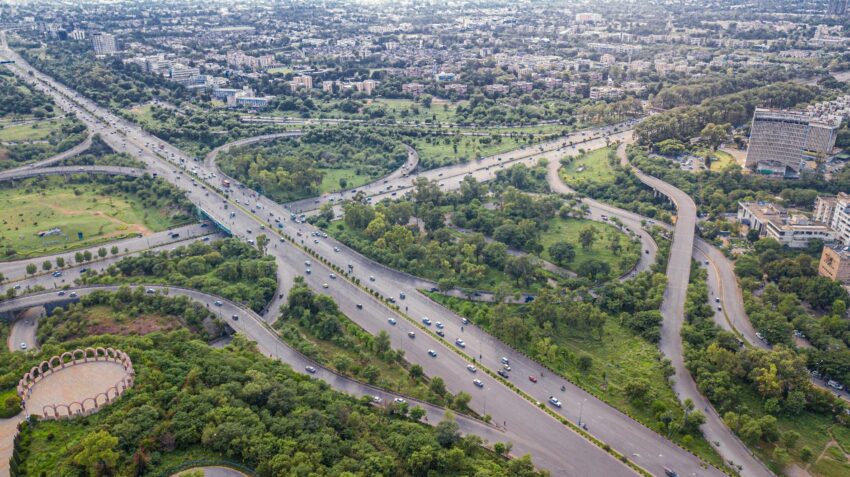
Ever walked into a house and thought, “Wow, those granite countertops are gorgeous! This place is perfect!”? We all do it. We get mesmerized by the fresh paint, the gleaming hardwood floors, the spa-like bathroom. And don’t get me wrong, curb appeal and interior finishes absolutely matter. They catch your eye, they make you feel something. But here’s the thing: focusing solely on what’s *inside* the property, or even just its immediate surroundings, is like judging a book only by its cover. What most people miss is the profound, often invisible, network that truly dictates a property’s long-term value, its livability, and even your daily sanity: infrastructure.
I’ve been in this real estate game for a while now, and I’ve seen countless times how a perfectly charming home in a less-than-ideally-served area struggles to hold its value, while a more modest dwelling in a well-infrastructured neighborhood flies off the market. It’s not magic; it’s the fundamental building blocks of a community.
The Invisible Foundation: Why Infrastructure Matters More Than You Think
When I talk about infrastructure, I’m not just talking about roads (though they’re a huge part of it!). I’m talking about the entire system that supports modern living. Think about it: Without reliable water, electricity, waste removal, good schools, and efficient transportation, even the most luxurious home becomes a beautiful, inconvenient shell. The truth is, these elements are the bedrock upon which property values are built. They influence everything from your commute to your kid’s education, from your internet speed to your ability to withstand a major storm.
Connectivity: Roads, Rails, and Reliable Internet
Getting Around: The Veins of a Community
Let’s start with the obvious: transportation. Bad roads are more than just annoying; they’re a daily drain on your time and your car’s suspension. Well-maintained roads, on the other hand, make a neighborhood accessible, reduce commute times, and connect people to jobs, services, and recreation. I once had clients who absolutely loved a house way out in the sticks. It was beautiful, had acres of land. But the single, poorly maintained dirt road leading to it? It was a deal-breaker. They realized that charming isolation would quickly turn into frustrating inconvenience every single day.
Public transit is another massive factor. Proximity to a subway station, a well-run bus line, or even dedicated bike paths can significantly boost property values, especially in urban and suburban areas. It broadens the appeal of a home to those who prefer not to drive, or who want to reduce their reliance on a car. I’ve seen entire neighborhoods revitalize after a new light rail line was extended. Suddenly, homes that were a tough sell became hot commodities.
The Digital Backbone: Broadband Isn’t a Luxury Anymore
Now, let’s talk about something that’s become as essential as electricity: broadband internet. In my experience, especially after the pandemic, internet speed and reliability are non-negotiable for most buyers. If you can’t work from home, stream your favorite shows without buffering, or connect with family, that dream house quickly loses its luster. I remember showing a stunning property a few years back – gorgeous views, renovated kitchen – but when we checked the internet service, it was satellite-only, glacially slow, and expensive. The buyers, both working remotely, walked away. It was a stark reminder that digital infrastructure is no longer a “nice-to-have”; it’s a fundamental utility.
Essential Services: More Than Just Running Water
Schools and Safety: Investing in the Future
For families, and even for those without kids, the quality of local schools is a colossal factor. A strong school district doesn’t just benefit students; it signals a community that invests in its future, attracts engaged residents, and consistently drives up property values. You’ll often see significant price differences between homes on opposite sides of a school district line, even if the houses themselves are identical. It’s not about the bricks and mortar of the school building itself, but the *system* of education and community support it represents.
Similarly, public safety infrastructure – police, fire, and emergency medical services – is paramount. A quick response time from emergency services, well-funded departments, and visible community policing all contribute to a sense of security that directly translates into desirability and, you guessed it, higher property values. It’s peace of mind, and you can’t put a price tag on that, but the market certainly tries to!
Clean Water, Clear Value: Utilities You Can’t Live Without
Think about water and sewer systems. We often take them for granted until something goes wrong. An aging water main, a failing septic system, or inadequate stormwater drainage can be a homeowner’s worst nightmare and a huge hit to value. Reliable, clean water delivery and efficient waste removal are foundational. I once dealt with a property where the municipal sewer system was at capacity, and new construction was effectively halted. Existing homes, while not directly impacted yet, saw their potential for future development and overall value stagnate because of this underlying infrastructure issue.
Green Spaces and Grey Matter: Overlooked Infrastructure
Parks, Pathways, and Peace of Mind
Beyond the functional, there’s the quality-of-life infrastructure. Parks, greenways, public recreation facilities, and community centers aren’t just amenities; they’re vital pieces of a thriving community. They offer space for exercise, relaxation, social interaction, and connection with nature. Homes near well-maintained parks or extensive trail systems consistently command higher prices. People are willing to pay a premium for walkability and access to nature, especially in increasingly dense urban and suburban environments. It’s a huge draw for families and anyone who values an active lifestyle.
Stormwater and Sustainability: The Unsung Heroes
Finally, let’s talk about the less glamorous but incredibly important stuff: stormwater management, resilient power grids, and sustainable practices. With climate change making weather events more extreme, communities with robust drainage systems, flood mitigation projects, and underground power lines are more resilient and, frankly, more attractive. Nobody wants to be the house that floods every time it rains heavily, or loses power for days after a minor storm. Investing in these preventative infrastructures might not be shiny, but it protects property values and offers a crucial layer of security.
My Takeaway: Look Beyond the Veneer
So, what’s my advice? When you’re looking at a property, absolutely appreciate the fresh paint and the new appliances. But then, zoom out. Ask the deeper questions. How old are the water lines in this neighborhood? What’s the plan for road maintenance? How’s the internet service really perform? What’s the reputation of the local schools? Is there public transit nearby? Are there parks or green spaces? These aren’t just details; they’re the invisible scaffolding that supports not just the house, but your entire lifestyle and the long-term appreciation of your investment.
Don’t just buy a house; buy into a well-supported, thoughtfully built community. You’ll thank yourself for years to come.
FAQ: Infrastructure and Property Value
Q1: How much can good infrastructure actually increase my home’s value?
A: It’s hard to put an exact number on it, as it varies widely by location and the specific type of infrastructure. However, studies often show that proximity to high-quality public transit can increase values by 5-20%, top-tier school districts can add 10-25%, and reliable broadband internet is increasingly non-negotiable, acting more as a barrier to sale if absent. Well-maintained roads, parks, and utilities provide a foundational value that prevents depreciation and supports growth.
Q2: What’s the most overlooked piece of infrastructure that impacts property value?
A: In my opinion, it’s often broadband internet access and the condition of water/sewer systems. People tend to assume good internet is everywhere, and that water and sewer just work. But the reality can be very different, and discovering slow internet or old, failing pipes after you move in can be a costly and frustrating surprise.
Q3: Can poor infrastructure actually *decrease* my property value?
A: Absolutely. A lack of reliable internet, crumbling roads, frequent power outages, or a failing local school system can significantly depress property values. Potential buyers will factor in the costs and inconveniences of these issues, often choosing properties in better-served areas, even if the houses themselves are less appealing.
Q4: As a homeowner, is there anything I can do to improve infrastructure in my area?
A: While you can’t lay new roads yourself, you can be an active voice! Attend local town hall meetings, vote in local elections, and engage with community groups. Advocating for infrastructure improvements, whether it’s for better schools, more green spaces, or updated utilities, is crucial. Your collective voice can influence local government spending and planning decisions.
Q5: Should I prioritize infrastructure over aesthetic upgrades when buying a home?
A: From an investment and quality-of-life perspective, I’d say yes, almost always. Aesthetic upgrades like paint and countertops are relatively easy and inexpensive to change. Infrastructure, however, is deeply embedded in the community and much harder (and often impossible) for an individual homeowner to alter. You can renovate a kitchen, but you can’t move a school district or build a new subway line to your street.