You know the drill. Alarm blares. You roll out of bed, maybe hit the gym – a structured workout, because that’s what adults do, right? Then it’s work, errands, dinner, maybe a bit of screen time, and then bed, only to repeat it all again. It’s efficient. It’s productive. But honestly, sometimes it feels a bit… soulless. Like we’re just machines, ticking off tasks.
Here’s the thing: we’ve become so focused on optimizing our “wellness” through rigid exercise routines and mindful eating that we’ve completely forgotten one of the most powerful, joy-inducing, and naturally beneficial activities known to humankind: play.
I’m not talking about forced fun or another item on your to-do list. I’m talking about genuine, spontaneous, no-stakes engagement that makes you laugh, forget time, and just… be. And what most people miss is that this isn’t just for kids. Reintroducing play into your adult life can be a powerful antidote to stress, a massive boost for your brain, and an unexpected ally for your physical health, going way beyond the treadmill.
The Truth About Adulting: Why We Stop Playing
Look, I get it. We’re busy. We have responsibilities. Bills, careers, families – the list is endless. Somewhere along the line, many of us internalized the message that play is frivolous, a luxury we can’t afford, or worse, a sign of immaturity. We trade our impromptu games of tag for spreadsheets, our creative endeavors for corporate reports, and our carefree laughter for polite smiles.
But the human brain and body aren’t designed for constant, unrelenting seriousness. We need release. We need novelty. We need joy. And play provides all of that in spades.
It’s Not Just a Workout, It’s Movement Joy
When I talk about play boosting your body, I’m not suggesting you replace your gym routine with hopscotch (unless you want to!). What I mean is that play often involves movement – movement that doesn’t feel like a chore. Think about it:
- Casual Sports: A pickup game of basketball, ultimate frisbee in the park, even just tossing a baseball around with a friend. You’re moving, stretching, reacting, but your mind is on the fun, not the calorie burn.
- Dancing: Whether it’s a structured class or just turning up your favorite tunes and letting loose in your living room, dancing is incredible for cardiovascular health, coordination, and mood. I’ve found that when I just put on some music and dance like no one’s watching (because usually, they aren’t!), I feel more invigorated than after many a formal workout.
- Outdoor Exploration: Hiking, biking, kayaking, even just a long walk where you allow yourself to wander and explore, rather than follow a set path. It engages different muscles, improves balance, and connects you with nature.
These activities often engage your body in more varied ways than a typical gym routine, leading to improved agility, flexibility, and overall functional fitness. Plus, because you’re enjoying yourself, you’re far more likely to stick with it.
Beyond the Physical: Play’s Profound Brain Benefits
This is where play truly shines. The mental and emotional advantages are nothing short of transformative.
Stress Reduction & Emotional Regulation
When you’re playing, you’re typically fully engaged in the present moment. This kind of focus acts like a powerful mental reset button, pulling you away from rumination and worry. The laughter that often accompanies play releases endorphins, those natural feel-good chemicals that elevate mood and combat stress. I’ve noticed countless times how a particularly frustrating work problem seems to magically untangle itself after I’ve taken a break to mess around with my kids’ LEGOs or play a quick board game. It’s like my brain needed a different kind of stimulation to process things.
Play also helps you practice emotional regulation in a low-stakes environment. You learn to deal with winning, losing, cooperation, and friendly competition, all skills that are incredibly valuable in adult life.
Unlocking Creativity and Problem-Solving
Remember how kids are constantly asking “what if?” and building imaginary worlds? That’s play in action – fostering divergent thinking. As adults, we often get stuck in rigid patterns. Play breaks those patterns. It encourages experimentation, improvisation, and seeing things from new perspectives. If you’re struggling with a creative block or a complex problem at work, stepping away to engage in something playful – like doodling, playing an instrument, or even a tricky puzzle – can spark new connections in your brain.
I once had a huge pitch deck to create, and I was just staring at a blank screen. My partner suggested a quick game of “Ticket to Ride.” An hour later, refreshed and with a completely different mindset, I went back to my laptop and the ideas just flowed. It wasn’t magic; it was my brain, re-energized and less fixated.
Enhanced Cognitive Function
Many forms of play, especially strategy games, puzzles, or learning new skills (like an instrument or a language), challenge your brain in ways that improve memory, focus, and processing speed. You’re practicing critical thinking, planning, and adapting to changing circumstances, all while having fun. It’s like a delicious brain workout that doesn’t feel like work.
Social Connection: The Unsung Hero of Wellness
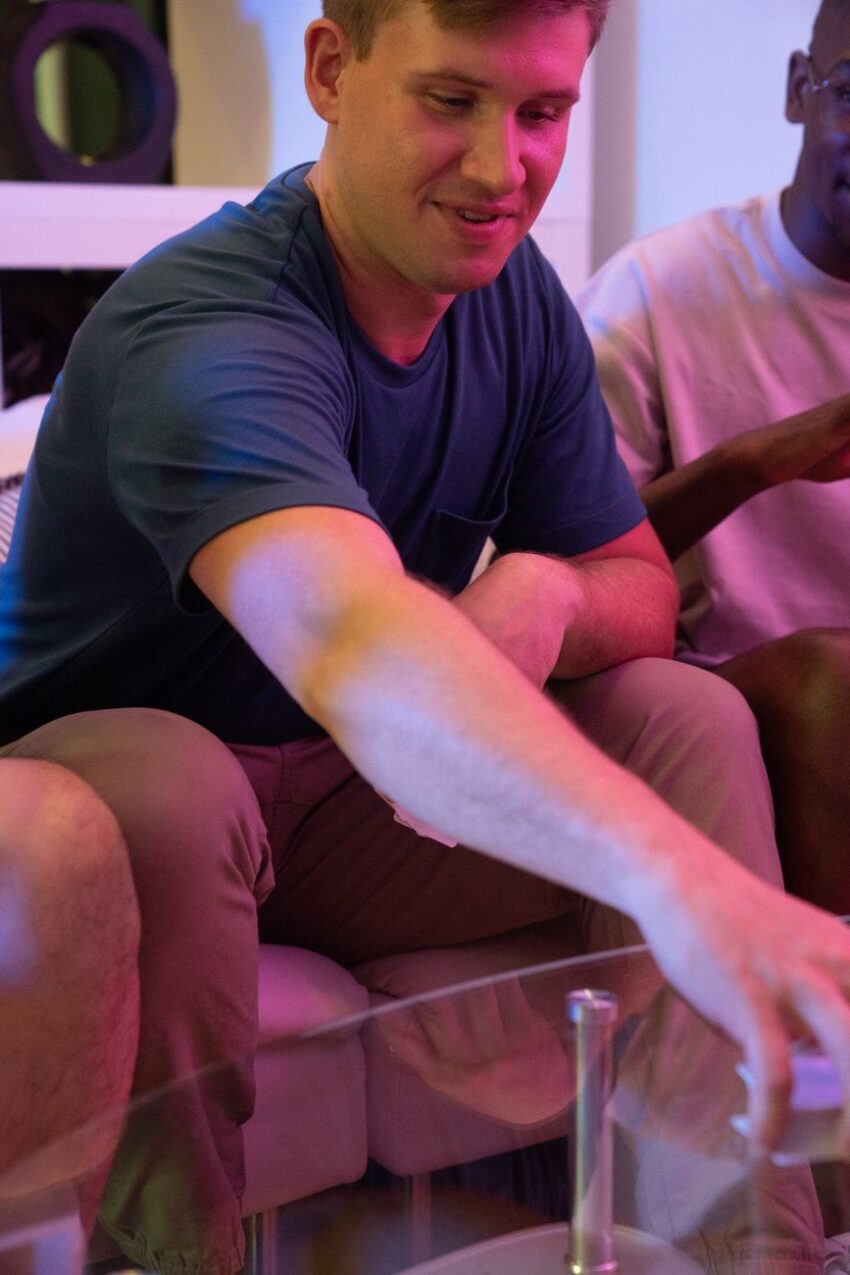
One of the biggest crises many adults face is loneliness and social isolation. Play is a fantastic way to forge and strengthen social bonds. Whether it’s a regular board game night, joining a recreational sports league, participating in an improv class, or even just sharing a laugh with a friend over a silly activity, play creates shared experiences and strengthens community.
When you’re playing with others, you’re engaging in non-verbal communication, building trust, and creating inside jokes. These are the ingredients for deep, meaningful connections that contribute massively to mental well-being and a sense of belonging. The truth is, it’s hard to feel isolated when you’re genuinely laughing with someone.
How to Reintroduce Play into Your Life
You might be thinking, “This sounds great, but how do I actually *do* it?” It’s simpler than you might imagine.
Give Yourself Permission
First and foremost, shed the guilt. Play isn’t selfish; it’s essential for your health and happiness. You deserve it.
Start Small and Explore
Don’t feel like you have to join a league right away. Begin with something easy and accessible:
- Spend 15 minutes doodling or coloring.
- Put on music and dance while you clean.
- Play a quick card game with a family member.
- Build a LEGO set. Yes, adults build LEGOs – it’s incredibly meditative and fun!
- Pick up a forgotten hobby: photography, knitting, playing an old instrument.
Schedule It (Initially)
Paradoxically, sometimes you need to schedule spontaneity. Block out “play time” in your calendar, just like you would a meeting or a workout. Once you start experiencing the benefits, it’ll become more natural.
Embrace Imperfection
Play isn’t about being good at something; it’s about the act of doing it. Don’t let the fear of not being skilled stop you. The goal is joy, not mastery.
So, the next time you feel that familiar grind setting in, pause. Ask yourself: When was the last time I truly played? When did I last do something just for the sheer, unadulterated fun of it? The answer might just reveal the missing piece in your wellness puzzle. Go on, give yourself permission to play. Your brain and body will thank you for it.
Frequently Asked Questions About Adult Play
Q: I feel guilty taking time for “play.” How do I overcome that?
A: Many adults struggle with this! Recognize that play isn’t a luxury; it’s a vital part of your mental and physical health. Think of it as an investment in your well-being and productivity, not a distraction. When you’re more refreshed and less stressed, you’ll actually be more effective in your responsibilities. Start by integrating small, guilt-free moments of play – a quick puzzle, a silly dance – and notice how much better you feel.
Q: What if I don’t know what “play” means for me anymore?
A: That’s completely normal after years of adulting! Think back to what you enjoyed as a child or teenager. Did you love drawing, building things, playing sports, exploring nature, or telling stories? Revisit those interests. You can also experiment: try a board game, an improv class, a pottery workshop, or just wander aimlessly in a park. The key is to try things without pressure and see what sparks joy.
Q: I’m an introvert. Does play have to be social?
A: Absolutely not! While social play has wonderful benefits, many forms of play are perfect for introverts. Think about solo creative pursuits like painting, writing, photography, playing a musical instrument, gardening, or building models. Puzzles, video games, or even just exploring a new bookshop can be incredibly playful and rejuvenating. The essence of play is joy and engagement, not necessarily interaction.
Q: How can I fit play into an already packed schedule?
A: Start small and integrate it. Can you listen to an audiobook while doing chores? Take a different, more scenic route on your daily walk? Play a quick card game during your lunch break? Schedule it in initially, even if it’s just 15-30 minutes, and treat it like any other important appointment. Remember, play often makes you more efficient by reducing stress and boosting focus, so it’s not a time sink – it’s a time saver in the long run.
Q: Is playing video games considered “play” in this context?
A: Yes, absolutely! For many adults, video games offer a fantastic outlet for play. They can engage your problem-solving skills, hand-eye coordination, strategic thinking, and even offer social connection through online multiplayer. As with any activity, moderation and choosing games that genuinely bring you joy (rather than just filling time) are key. If it feels engaging, fun, and helps you de-stress, then it counts!