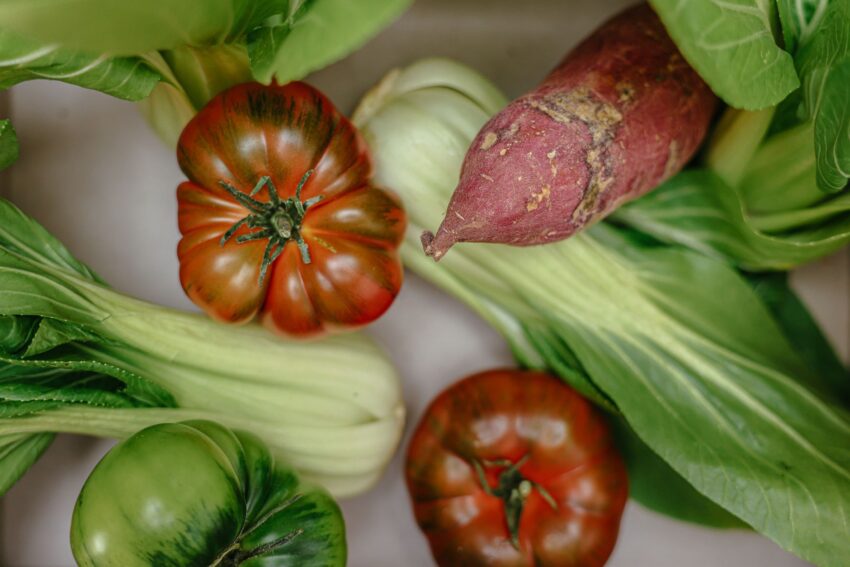
Ever feel like you’re constantly chasing that feeling of vibrant health? You know, that energy that allows you to tackle your day with enthusiasm, that resilience that shrugs off the latest bug making the rounds, and that underlying sense of wellness that just makes life better?
For years, I found myself trying to optimize everything – the right supplements, the perfect workout, enough sleep. And while all those things are crucial, I kept coming back to one simple, profound truth: the incredible power of plants. Not just their vitamins and minerals, which we all know are vital, but something deeper, something more intricate. I’m talking about phytonutrients.
Here’s the thing: nature has gifted us an entire arsenal of protective compounds, tucked away in the vibrant colors, pungent aromas, and unique flavors of fruits, vegetables, grains, and legumes. These aren’t just pretty pigments; they’re tiny warriors, working tirelessly behind the scenes to defend plants from environmental threats, and guess what? They do the same for us.
What Exactly Are Phytonutrients?
You’ve probably heard of essential vitamins and minerals – Vitamin C, iron, potassium, you name it. Those are absolutely critical for our survival and basic bodily functions. But phytonutrients are different. They’re non-essential, meaning you won’t get a deficiency disease if you don’t consume them, but boy, do they ever make a difference in your long-term health and vitality.
The word “phyto” comes from the Greek word for “plant.” So, phytonutrients are literally “plant nutrients.” There are thousands of them, each with unique properties, working in complex synergy. Think of them as nature’s bonus pack for your health. While vitamins and minerals are like the essential building blocks and maintenance crew, phytonutrients are the specialized defense force, the advanced security system, the anti-aging squad. They offer antioxidant protection, support detoxification pathways, enhance immune function, and can even influence gene expression in beneficial ways. It’s pretty mind-blowing when you think about it.
The Colorful Spectrum of Protection
In my experience, the easiest way to start thinking about phytonutrients is to “eat the rainbow.” Those vibrant colors aren’t just for show; they’re often indicators of different classes of phytonutrients, each offering distinct benefits. The truth is, relying on just one superfood is a common mistake. Variety is key because these compounds work better together than alone. Let’s look at some of my favorites:
Carotenoids: The Orange, Red, and Yellow Powerhouses
These are what give carrots their orange, tomatoes their red, and bell peppers their sunny yellow. Beta-carotene (found in carrots, sweet potatoes, pumpkin) is a famous one, converting to Vitamin A in the body, crucial for vision and immune health. Then there’s lycopene, the superstar of tomatoes and watermelon. I’ve found that simply adding more roasted tomatoes to my meals, or making a fresh salsa, is a delicious way to boost my lycopene intake. Lycopene is a potent antioxidant, particularly linked to heart health and prostate health.
Flavonoids: The Widely Distributed Defenders
This is a huge group, with over 6,000 identified types! You’ll find them in berries, apples, citrus, onions, tea, and even dark chocolate. Quercetin, a common flavonoid, is known for its anti-inflammatory and antihistamine properties – a real ally during allergy season, I can tell you. Anthocyanins are another subgroup, responsible for the deep blues and purples in blueberries, blackberries, and red cabbage. I make it a point to add a handful of mixed berries to my morning oatmeal or smoothie every single day. They’re incredible for brain health and offer strong antioxidant protection.
Glucosinolates: The Pungent Protectors
If you’ve ever smelled that slightly sulfurous aroma when cooking broccoli, kale, or Brussels sprouts, you’re getting a whiff of glucosinolates. When these cruciferous vegetables are chopped or chewed, these compounds break down into powerful substances like sulforaphane and indole-3-carbinol. These are truly impressive, playing a significant role in supporting the body’s natural detoxification processes and showing promising anti-cancer properties. Look, I know not everyone loves Brussels sprouts, but roasting them with a little olive oil and balsamic vinegar can make them absolutely delicious. Don’t skip these!
Resveratrol: The Grape’s Secret Weapon
Often associated with red wine, resveratrol is a polyphenol found in the skin of red grapes, as well as in blueberries, raspberries, and peanuts. It’s garnered a lot of attention for its potential anti-aging effects, cardiovascular benefits, and anti-inflammatory properties. While I’m certainly not advocating for excessive alcohol consumption, a small glass of quality red wine with dinner can be a pleasant way to enjoy some resveratrol, alongside the other beneficial compounds in grapes. But honestly, a handful of fresh grapes or berries is just as effective, without the alcohol!
Integrating Nature’s Defense into Your Daily Life
Now, you might be thinking, “This sounds great, but how do I actually *do* this without turning into a full-time chef or nutritionist?”
It’s simpler than you think. What most people miss is that small, consistent changes add up to big results. You don’t need to overhaul your entire diet overnight. Start by looking at your plate and asking, “Where’s the color?”
- Add a serving of greens to breakfast: Throw spinach into your scrambled eggs or a handful of kale into your smoothie. You won’t even taste it, I promise.
- Snack smarter: Instead of chips, grab an apple with a handful of almonds, a bell pepper sliced with hummus, or a bowl of berries.
- Boost your main meals: Double the veggies in your stir-fry, add extra beans or lentils to your chili, or pile on a colorful salad as a side dish.
- Try one new fruit or vegetable a week: Ever had kohlrabi? What about star fruit? Expanding your palate naturally expands your phytonutrient intake.
When I first started focusing on this, I aimed for just one extra serving of a colorful vegetable or fruit with each meal. It wasn’t about perfection, but about progress. Soon, it became second nature. My energy levels improved, my skin looked better, and I felt a noticeable shift in my overall well-being.
Beyond the Pill: Why Whole Foods Win
I get asked a lot about supplements. “Can’t I just take a phytonutrient pill?” The truth is, while some isolated phytonutrient supplements exist, they often fall short. Nature is incredibly complex and intelligent. Phytonutrients in whole foods work synergistically with each other, and with vitamins, minerals, and fiber, creating what’s often called “the entourage effect” or “food matrix effect.” This means their combined power is far greater than the sum of their individual parts. When you take a pill with an isolated compound, you’re missing out on this incredible symphony of beneficial interactions.
Plus, whole foods come with fiber, which is essential for gut health, satiety, and blood sugar regulation – benefits you simply won’t get from a pill. I’m a big believer that nature knows best. Our bodies are designed to process and utilize nutrients from whole, unprocessed foods.
So, instead of hunting for the next magic bullet in a bottle, open your fridge. Fill it with vibrant, living foods. Embrace the rainbow on your plate. It’s a delicious, sustainable, and incredibly effective strategy for unlocking a healthier, more resilient you. Your body will thank you.
Frequently Asked Questions About Phytonutrients
Q1: Do I need to eat *all* the colors every day?
While aiming for variety is fantastic, don’t stress about hitting every single color every single day. Focus on incorporating a wide range of colorful fruits and vegetables throughout your week. Over time, this natural rotation will ensure you’re getting a broad spectrum of phytonutrients.
Q2: What’s the difference between phytonutrients and vitamins/minerals?
Vitamins and minerals are considered “essential” nutrients; your body absolutely needs them to function, and a lack of them can lead to deficiency diseases. Phytonutrients, while incredibly beneficial for health and disease prevention, are not considered essential for basic survival. Think of vitamins and minerals as the foundational building blocks, and phytonutrients as the advanced protective and enhancing compounds.
Q3: Are frozen fruits and vegetables as good as fresh?
Absolutely! Frozen fruits and vegetables are often picked at their peak ripeness and flash-frozen, which locks in their nutrient content, including phytonutrients. In some cases, they can even retain more nutrients than “fresh” produce that has traveled long distances and sat on shelves for days.
Q4: Can children benefit from phytonutrients too?
Yes, unequivocally! Introducing children to a wide variety of colorful fruits and vegetables from a young age helps build healthy eating habits and provides their growing bodies with crucial protective compounds. Make it fun by letting them pick out colorful produce at the store or creating “rainbow plates.”
Q5: Is there a downside to consuming too many phytonutrients?
When consumed through whole foods, there’s generally no downside to consuming a lot of phytonutrients. Your body is well-equipped to process them. The concern usually arises when people take extremely high doses of *isolated* phytonutrients in supplement form, which can sometimes lead to imbalances or adverse effects. Stick to whole foods, and you’ll be giving your body exactly what it needs, safely.