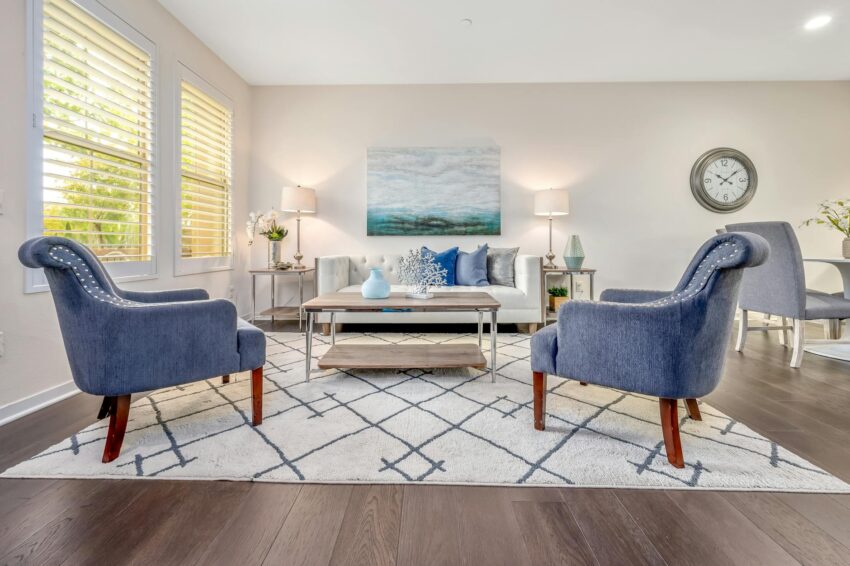
Ever walked into a house for sale and just *knew* it wasn’t for you within the first sixty seconds? Or, conversely, stepped inside and felt an immediate pull, an undeniable sense of “home”? That gut feeling, that instant connection or disconnection, isn’t accidental. It’s the powerful, often subconscious, result of first impressions.
Selling your home isn’t just about square footage and location; it’s about selling a dream, a lifestyle, a feeling. And the truth is, you only get one shot at that crucial first impression. As someone who’s spent years in the real estate trenches, I’ve seen firsthand how mastering this can shave weeks off your selling timeline and put significantly more money in your pocket. What most people miss is that it’s not about grand renovations; it’s about strategic, often small, changes that speak volumes.
The Psychology of the First Glimpse: Why It Matters More Than You Think
Here’s the thing: buyers are emotional creatures. They’re not just looking at walls and floors; they’re imagining their life unfolding within those spaces. From the moment they pull up to the curb, their minds are already forming a narrative. Is this a well-cared-for home? Does it feel welcoming? Is it a place they can easily picture themselves living in?
I remember a couple who walked into an open house I was hosting. The home was perfectly functional, good bones, decent neighborhood. But the front yard was a bit wild, the paint on the trim was peeling, and inside, it felt a little cluttered and dark. They were in and out in less than five minutes, shaking their heads. Later that day, they put an offer on a smaller, less updated house down the street – simply because it felt better. The owners had invested a few hundred dollars in landscaping and a fresh coat of paint, and meticulously decluttered. That’s the power we’re talking about. Perceived value often trumps actual value in those critical initial moments.
Outside In: Mastering Curb Appeal
Your home’s exterior is its handshake. It’s the very first thing buyers see, often online before they even schedule a showing. If it doesn’t entice them, they might never make it through the front door.
The Welcome Mat Mentality
Think about the journey a buyer takes. They drive up, park, walk to your front door. Every step of that journey needs to be inviting. Start with your lawn: is it neatly mown, edged, and free of weeds? Are your bushes trimmed? A pop of fresh flowers in planters by the door or along the walkway can do wonders. It instantly says, “someone cares about this home.”
Look at your front door. Is it clean? Could it use a fresh coat of paint in a welcoming color? Polish the hardware! A new, stylish doormat is a small touch that makes a big impact. I once advised a client to spend $50 on a vibrant red doormat for their otherwise neutral-toned home, and it genuinely made the entrance feel so much more inviting. It’s amazing how these little details add up.
Check your outdoor lighting. Are all the bulbs working? Clean fixtures make a difference, especially for evening showings. Ensure pathways are clear, free of cracks, and swept. Even small things like hosing down your driveway can make the whole property sparkle. Remember, you’re not just selling a house; you’re selling the feeling of arriving home.
Stepping Inside: Creating an Irresistible Interior
Once buyers are inside, the goal is to reinforce that positive initial feeling and help them envision themselves living there. This means creating a space that feels spacious, bright, clean, and emotionally neutral enough for them to project their own future onto it.
Declutter, Depersonalize, Deep Clean
This is probably the single most important step you can take indoors. Be ruthless! Every cluttered surface, every overflowing cupboard, every personalized item screams “someone else lives here” and makes the space feel smaller and less appealing. I’ve found that homeowners often struggle with this because their items hold sentimental value. But you’re moving! Pack it away now.
- Declutter: Clear off countertops, remove excess furniture, tidy up bookshelves. Think minimalist. When in doubt, box it up and store it.
- Depersonalize: Take down family photos, religious symbols, quirky art, and anything that screams “your taste.” The goal is for the buyer to imagine their own photos on the walls, their own decor.
- Deep Clean: And I mean DEEP clean. Scrub every surface. Windows should sparkle, floors should gleam, and bathrooms should look like a five-star hotel. Don’t forget baseboards, light fixtures, and inside cupboards. A truly clean home signals a well-maintained home.
The Art of Staging (Even on a Budget)
You don’t need to hire a professional stager for thousands of dollars (though it can be a great investment!). You can do a lot yourself. Arrange furniture to maximize space and create clear pathways. Pull furniture slightly away from walls to make rooms feel larger. Focus on creating vignettes – little scenes that suggest comfort and lifestyle. A neatly folded throw blanket and a couple of decorative pillows on a sofa, a simple vase with fresh flowers on a dining table, a stack of attractive books on a coffee table. These small touches transform a house into a home buyers can connect with.
I once worked with a client who had a fantastic living room, but their oversized, dark sofa made the space feel cramped. We moved the sofa to storage and borrowed a smaller, lighter colored one from a friend, adding some bright pillows. It was a game-changer! The room instantly looked twice its size and felt so much more inviting.
Light It Up & Scent the Scene
Bright homes sell. Open all curtains and blinds to let in as much natural light as possible. Turn on every light fixture for showings, even during the day. Consider adding higher-wattage bulbs to brighten dim rooms. Good lighting makes spaces feel larger, cleaner, and more welcoming.
And then there’s scent. This is a subtle but powerful influencer. You want your home to smell fresh and clean, not like last night’s dinner or your pet. Subtle, pleasant aromas work best – a hint of vanilla, freshly baked cookies (if you have time!), or a clean linen smell from a diffuser. Avoid overpowering air fresheners or strong candles; some people are sensitive, and it can make them wonder what you’re trying to cover up. Open windows for 30 minutes before a showing to air out the house.
The Nitty-Gritty: Small Fixes, Big Impact
Look, I get it. You’re moving, you’re busy, and you don’t want to spend money on a house you’re leaving. But buyers notice everything. That leaky faucet, the chipped paint on the baseboard, the wobbly doorknob, the cracked tile – these aren’t just minor annoyances to you. To a buyer, they’re red flags. They suggest deferred maintenance, and they make buyers wonder what *else* is wrong that they can’t see.
Spending a few hundred dollars on these small repairs can prevent buyers from mentally discounting your home by thousands. Replace burned-out lightbulbs. Fix that running toilet. Patch and paint any scuffs or holes. Tighten loose handles. It shows pride of ownership and gives buyers confidence that the home has been well-maintained.
Selling your home can feel like a daunting task, but by focusing on these crucial first impressions – both inside and out – you’re not just preparing your house for sale; you’re setting the stage for a quick sale at the best possible price. It’s about presenting a lifestyle, not just a property. Trust me on this one; the effort is always worth it.
FAQ: Your First Impression Questions Answered
Q1: How much should I spend on improving first impressions?
A: It really depends on the current state of your home, but often, it’s about smart, targeted spending rather than major renovations. A few hundred to a couple of thousand dollars on things like fresh paint, landscaping, deep cleaning, and minor repairs can yield a significant return in terms of sale price and speed. Focus on high-impact, low-cost fixes first.
Q2: Should I remove all my furniture and hire a professional stager?
A: Not necessarily all, but definitely consider removing excess or highly personal items. If your furniture is dated, oversized, or doesn’t suit the home’s style, professional staging can be a fantastic investment, especially for luxury homes or those that have sat on the market. For most homes, decluttering, depersonalizing, and strategically arranging your existing furniture (or borrowing a few key pieces) can be enough.
Q3: What’s the biggest mistake sellers make regarding first impressions?
A: Hands down, it’s underestimating the power of clutter and personalized items. Many sellers think buyers can “look past” their stuff, but the reality is, most can’t. Clutter makes spaces feel smaller, dirtier, and prevents buyers from envisioning themselves in the home. Depersonalization allows buyers to project their own dreams onto the space.
Q4: How important is exterior lighting for curb appeal?
A: Very! Good exterior lighting enhances safety, highlights architectural features, and makes your home feel more welcoming and secure, especially for evening showings. Ensure all bulbs are working, clean the fixtures, and consider adding solar-powered pathway lights for an extra touch.
Q5: Is it okay to bake cookies before a showing for a nice scent?
A: Baking cookies can create a wonderfully inviting scent, but it’s important not to overdo it or make it seem artificial. A subtle, fresh-baked scent is great. Alternatively, a lightly scented diffuser with a clean linen or subtle vanilla fragrance, or even just brewing a fresh pot of coffee, can achieve a similar effect without being overwhelming.