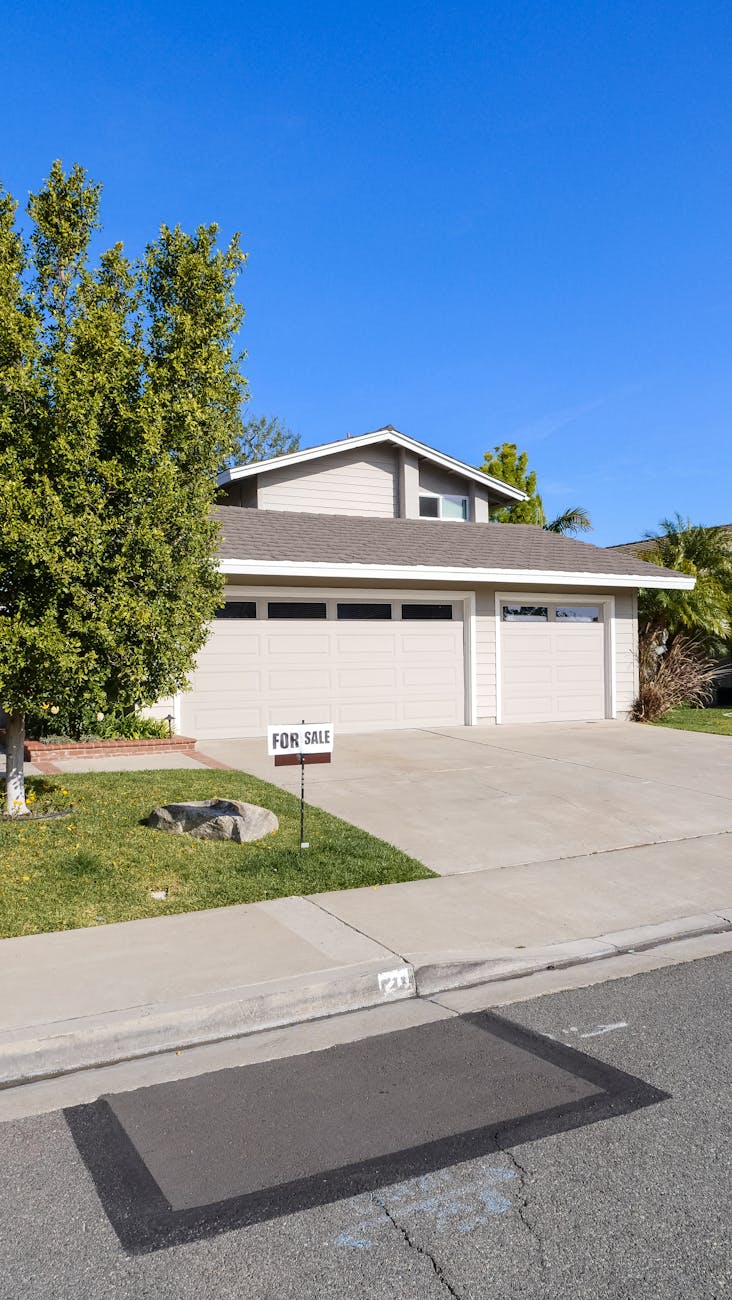
Ever felt like you’re playing a high-stakes game of musical chairs, but instead of chairs, it’s houses, and everyone else seems to know the music better than you? If you’ve been trying to buy a home in the last few years, especially in a popular area, you know exactly what I’m talking about. It’s exhilarating, frustrating, and sometimes, downright heartbreaking. You find the perfect place, pour your heart into an offer, only to get that call: “Sorry, we went with another one.” Or worse, you never even get a call back.
Here’s the thing: buying a home in a hot market isn’t for the faint of heart. It demands strategy, resilience, and frankly, a bit of grit. But it’s not impossible. In my years helping folks navigate these choppy waters, I’ve seen buyers not just survive, but truly thrive and land their dream homes. It comes down to understanding the game and playing it smart. I want to share some of my best strategies, the ones I’ve seen work time and again, to help you secure your own piece of the pie.
Understanding the Beast: What Defines a Hot Market?
Before we dive into tactics, let’s get on the same page about what we mean by a “hot market.” It’s not just about rising prices, though that’s certainly a symptom. A truly hot market is characterized by:
- Low Inventory: Not enough homes for sale to meet buyer demand. Imagine a few slices of pizza for a whole party.
- Fast Sales: Homes go under contract in days, sometimes hours. We’re talking blink-and-you’ll-miss-it speed.
- Multiple Offers: Sellers regularly receive several offers, often well above their asking price. This is where things get competitive.
- Waived Contingencies: Buyers, in their eagerness, often waive inspections, appraisals, or financing contingencies, increasing their risk.
- Escalating Prices: Homes consistently sell for more than their list price, setting new comps for the neighborhood.
I remember one house in Austin, a cute bungalow near Zilker Park. Listed on a Thursday, open house Saturday. By Sunday, they had 27 offers. Twenty-seven! The seller picked one that was tens of thousands over asking, all cash, and waived everything. That’s a hot market in a nutshell.
Get Your Ducks in a Row: Pre-Offer Essentials
You can’t win a race if you’re still tying your shoes at the starting line. In a hot market, preparation isn’t just helpful; it’s absolutely crucial. Trust me on this one.
Financing First: Beyond Pre-Qualification
Look, anyone can get pre-qualified. That’s just a quick chat with a lender. What you need is a solid, iron-clad pre-approval letter. This means your lender has actually looked at your income, assets, and credit report. They’ve done the heavy lifting and can confidently state how much you can borrow. A good pre-approval letter from a reputable local lender can make your offer look much stronger than one from an online mega-bank that sellers might be wary of. In my experience, sellers and their agents appreciate knowing a buyer is truly qualified.
Know Your Non-Negotiables (and Your Flex Points)
Before you even start looking, sit down and make a list. What are your absolute must-haves? Three bedrooms? A specific school district? A yard for the dog? And what are you willing to compromise on? Maybe the kitchen isn’t perfectly updated, or the commute is 10 minutes longer than ideal. If you don’t know this going in, you’ll chase every shiny object and waste precious time. I once worked with a couple who insisted on a detached garage, only to realize the perfect house for them had an attached one, which they then decided was “fine.” Had they known their true priorities, they could’ve focused sooner.
Assemble Your A-Team
Your real estate agent is your general in this battle. You need someone experienced in a competitive market, who communicates well, and who isn’t afraid to be honest with you. They should be able to get you into homes quickly, advise on strong offer strategies, and have a good rapport with other agents in the area. A great agent often knows about listings before they hit the market, or can get you a showing before the weekend open house. Pair them with a proactive lender and, ideally, an inspector who can be available on short notice.
Making Your Offer Stand Out in a Crowd
Once you’ve done your prep work, it’s time to craft an offer that screams, “Pick me!”
The Art of the Clean Offer
In a hot market, sellers prioritize simplicity and certainty. That means an offer with fewer contingencies is often more attractive, even if it’s not the absolute highest price. What does “clean” mean?
- Fewer Contingencies: The fewer hurdles for the seller, the better. This might mean waiving an appraisal contingency (if you’re comfortable with the risk) or shortening inspection periods.
- Strong Earnest Money: A substantial earnest money deposit signals that you’re serious and financially capable.
- Flexible Closing Date: If the seller needs a quick close, or a longer one, try to accommodate. Flexibility can be a huge differentiator.
Now, I’m not saying waive your inspection if you’re not comfortable. That’s a big risk. But you might consider a “for information only” inspection, where you reserve the right to walk away if major issues are found, but won’t ask for repairs. It’s a calculated risk, but often necessary.
Beyond the Asking Price: Sweetening the Deal
Everyone knows to offer more than asking, but there are other financial levers you can pull:
- Escalation Clauses: This clause states you’ll pay X amount more than the highest competing offer, up to a certain cap. For example, “$1,000 above the highest offer, not to exceed $550,000.” It gives you an edge without wildly overpaying.
- Appraisal Gap Coverage: If you’re offering significantly above asking, there’s a risk the home won’t appraise for the sales price. You can offer to cover the difference up to a certain amount. This is a powerful signal to the seller that you’ll close even if the appraisal comes in low. I had a buyer win a bid because they offered to cover a $20,000 appraisal gap, even though another offer was slightly higher. The seller knew their deal was solid.
- Due Diligence Fees (in some markets): In certain areas, a non-refundable due diligence fee is paid directly to the seller upon offer acceptance. This money is yours to lose if you back out, making your offer incredibly strong.
Personal Touches (Use Wisely): The Letter to the Seller
Sometimes, sellers aren’t just looking at the bottom line. They’re leaving a home filled with memories. A heartfelt letter introducing yourself, explaining why you love their home, and how you envision your life there can occasionally sway a seller, especially if the offers are very close. I’ve seen it work wonders for first-time homebuyers or young families. But the truth is, in an extremely hot market where prices are soaring, it’s less impactful than it used to be. Don’t rely on it, but use it as a tasteful extra touch if your agent thinks it’ll resonate.
Be Prepared to Act FAST
This is non-negotiable. If you love a house, you need to be ready to see it immediately and make an offer just as quickly. Waiting even a few hours can mean missing out. Have your agent on speed dial, your pre-approval ready, and your decision-making hat on. This market doesn’t wait for anyone.
Don’t Lose Your Head: Maintaining Perspective
It’s easy to get swept up in the frenzy, but it’s vital to keep your emotions in check.
Set Your Limits (and Stick to Them)
Before you start making offers, determine your absolute maximum budget and your “walk-away” points for certain concessions. It’s easy to get caught in a bidding war and push past what you’re comfortable with. Don’t let FOMO (Fear Of Missing Out) lead you to overpay or take on too much risk. I’ve witnessed buyers stretch themselves so thin they regretted it the moment the keys were in their hand. That’s not a dream home; that’s a nightmare.
Patience (Sometimes)
You might lose out on a few houses. That’s okay. It’s part of the process in a hot market. Don’t get discouraged. Each “no” brings you closer to the “yes.” The right home for you will come along. It might take longer than you hoped, but it will happen if you stick with it.
Consider Alternatives
If the competition in your ideal neighborhood is just too fierce, consider looking at up-and-coming areas nearby. Or explore new construction – sometimes builders offer incentives that can offset higher prices. You might also reconsider your “must-have” list. Is that third bathroom absolutely essential, or could you live with two and gain an extra bedroom in a more affordable area?
Securing your dream home in a hot market is a challenge, no doubt. But with the right mindset, a solid strategy, and a fantastic team by your side, it’s absolutely achievable. Stay informed, stay prepared, and most importantly, stay resilient. Your perfect home is out there, waiting for you to make a smart move.
FAQ: Hot Market Home Buying
Q1: Is it really necessary to waive an inspection contingency in a hot market?
A: While many buyers do this to make their offer more attractive, it’s a significant risk. I wouldn’t recommend it unless you’re very comfortable with potential repair costs or can do a pre-offer inspection (if allowed). A safer option is a “for informational purposes only” inspection clause, where you retain the right to walk away if major issues are found but won’t ask for repairs.
Q2: How much above asking price should I offer?
A: This varies wildly depending on your market, the specific home, and the number of competing offers. Your agent’s expertise is crucial here. They can look at recent comps and gauge the competition. Often, using an escalation clause can be a smart strategy, letting you offer competitively without overpaying unnecessarily.
Q3: What if I can’t afford to cover an appraisal gap?
A: If you can’t cover an appraisal gap, you’re not alone. It means your offer is contingent on the home appraising for the sales price. This is a common and reasonable contingency. However, be aware that in a highly competitive market, offers with appraisal gap coverage may be prioritized by sellers.
Q4: How important is my real estate agent in a hot market?
A: Crucial. A great agent is your eyes and ears, often knowing about listings before they hit the general market, understanding local nuances, and having relationships with other agents that can smooth the negotiation process. Their advice on crafting a winning offer is invaluable.
Q5: Should I wait for the market to cool down?
A: That’s a tough call, and honestly, no one has a crystal ball. Interest rates could rise, making homes less affordable even if prices dip. The best time to buy is often when you’re financially ready and find the right home for you. If you need a home now, focus on the strategies to succeed in the current market rather than speculating on future conditions.