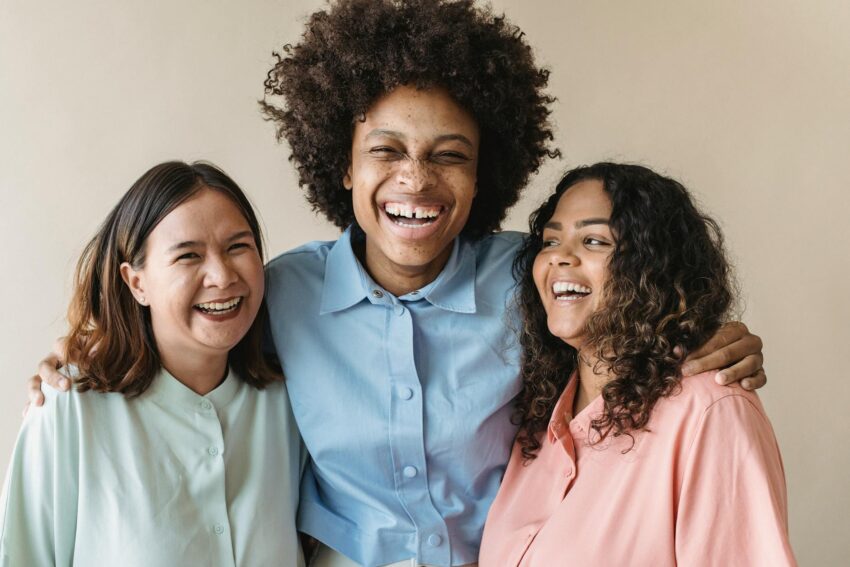
We talk a lot about the secrets to a long, healthy life, don’t we? We obsess over kale smoothies, debate the merits of HIIT versus steady-state cardio, and scroll endlessly through articles about the latest superfoods. And don’t get me wrong, nutrition and exercise are absolutely critical. They’re foundational. But what if I told you there’s another, equally powerful, perhaps even more overlooked ingredient in the longevity recipe? An ingredient that costs nothing, is endlessly renewable, and feels utterly fantastic?
I’m talking about friendship. Your social bonds. The people you laugh with, cry with, and lean on. The truth is, modern science is increasingly showing us that these connections aren’t just nice-to-haves; they’re essential for a vibrant, extended life. It’s like a powerful prescription, readily available, and with zero unpleasant side effects. Friendship’s Rx, if you will.
The Science Doesn’t Lie: How Friends Become Your Lifeline
For years, I’ve seen firsthand the profound impact of connection. I remember my grandmother, who lived to a remarkable 98. She wasn’t a health fanatic by any stretch – she enjoyed her nightly glass of sherry and wasn’t afraid of a good fried potato. But she had an incredible network of friends, churchgoers, and family who were constantly in and out of her house, sharing meals, playing cards, and just being with her. It was a bustling, lively environment right up until her last years. Looking back, I realize that constant interaction was her secret sauce.
Now, while my grandmother’s experience is anecdotal, countless studies back it up. Researchers have consistently found that strong social ties are associated with a 50% increased likelihood of survival. That’s a bigger impact than quitting smoking! Let that sink in for a moment. What most people miss is just how deeply intertwined our social well-being is with our physical health.
Stress Reduction & Emotional Buffer
Here’s the thing: life throws curveballs. Unexpected job losses, health scares, relationship woes – they’re all part of the human experience. And stress, chronic stress in particular, is a known killer. It inflames your body, messes with your hormones, and generally puts your system into overdrive. But when you have a solid support system, friends who listen without judgment, who offer practical help or just a much-needed distraction, that stress gets buffered. I’ve been through my share of tough times, and honestly, the simple act of a friend calling to say, “Hey, how are you really doing?” or showing up with a pizza and a bad movie has been a literal lifesaver. It grounds you, reminds you that you’re not alone, and helps your body calm down.
Healthier Habits by Association
Think about it: are you more likely to skip the gym or order takeout when you’re alone, or when you have plans with a friend to go for a walk or cook a healthy meal together? My guess is the latter. Our friends influence our behaviors, often for the better. If your social circle prioritizes active lifestyles, healthy eating, or even just regular check-ups, you’re more likely to adopt those habits yourself. I’ve had friends who’ve dragged me to countless yoga classes I wouldn’t have attended otherwise, and I’m healthier for it. We become the average of the five people we spend the most time with, and that applies to health habits too.
Early Detection and Practical Support
Sometimes, we’re the last ones to notice when something’s off with ourselves. A subtle change in mood, a persistent cough we’re brushing off, or a sudden lack of energy. Friends often see these things before we do. They’re not afraid to say, “Hey, you haven’t seemed yourself lately, have you thought about seeing a doctor?” That gentle nudge can be invaluable. And when illness does strike, strong social bonds provide practical help: rides to appointments, meals delivered, help with chores, or simply a hand to hold. These aren’t minor conveniences; they’re critical factors in recovery and managing chronic conditions.
A Sense of Purpose and Belonging
Humans are wired for connection. We thrive when we feel needed, valued, and part of something larger than ourselves. Loneliness, on the other hand, is a corrosive force. It’s linked to depression, anxiety, and even cognitive decline. A robust social life provides a sense of belonging, purpose, and meaning. It gives you reasons to get out of bed in the morning, people to look forward to seeing, and shared experiences that enrich your life. This psychological well-being translates directly into physiological benefits, boosting your immune system and overall resilience.
Beyond the Buddy: Quality Over Quantity
Now, when I talk about social bonds, I’m not suggesting you need a hundred best friends. The research consistently points to quality over sheer numbers. It’s about having a handful of genuinely supportive, understanding relationships rather than a vast network of superficial acquaintances. That said, even casual connections – a friendly chat with your barista, a nod to your neighbor, a quick interaction at a community event – contribute to your sense of belonging and can have a positive ripple effect.
Look, your “friendship pharmacy” can take many forms. It could be your immediate family, a tight-knit group of friends you’ve known since childhood, a book club, a volunteer group, or even a strong connection with a colleague. Diverse bonds offer different types of support and enrichment. My next-door neighbor, Martha, who’s in her late 80s, has a wonderful relationship with her adult children, but she also thrives on her bridge club and her weekly coffee date with a group of ladies from her church. Those varied interactions keep her sharp and engaged.
The Modern Loneliness Epidemic: A Silent Threat
The unfortunate reality is that many people are struggling with loneliness today. Despite being more connected digitally than ever, real-world, meaningful interactions can be harder to come by. Busy schedules, increased remote work, and a general cultural shift towards individualism can make it challenging to form and maintain deep connections. But ignoring this challenge comes at a steep price, not just for our mental well-being, but for our physical health and longevity too. It’s a public health crisis masquerading as a personal failing.
Cultivating Your “Friendship Pharmacy”
So, what can you do? It’s not always easy, especially as adults, but building and maintaining strong social bonds is absolutely an investment worth making. It’s like any other health habit – it requires intentionality.
- Be Proactive: Don’t wait for people to reach out. Send that text, make that call, suggest that coffee date. Sometimes, it just takes one person to initiate.
- Invest in Existing Relationships: Nurture the friendships you already have. Show up for people. Listen actively. Celebrate their wins and support them through their losses.
- Find Shared Interests: Join a club, take a class, volunteer, sign up for a recreational sports league. Shared activities are natural breeding grounds for new connections.
- Be Vulnerable: True connection often comes from letting down your guard. Share your struggles, your fears, and your authentic self. It invites others to do the same.
- Practice Empathy: Try to understand others’ perspectives. Be a good listener. Kindness goes a long way.
The truth is, while diet and exercise will help you live longer, it’s often your friends who will make that longer life truly worth living. They add joy, meaning, and resilience to every single day. So, go ahead, schedule that coffee. Send that text. Reach out. Your lifespan, and your overall well-being, will thank you for it.
FAQ: Your Social Bonds & Longevity
Q1: How many friends do I need to reap these benefits?
A: There’s no magic number! Research suggests that having a few deep, meaningful relationships is more impactful than a large network of superficial ones. Focus on quality over quantity. Even one or two truly close confidantes can make a significant difference.
Q2: I’m an introvert. Does this mean I have to become a social butterfly?
A: Absolutely not! Introverts gain energy from solitude, but still need meaningful connection. Your social needs might be met with fewer, deeper relationships rather than constant social engagements. The key is finding the balance that feels right for you and ensures you feel connected, not drained.
Q3: Do online friendships count, or does it have to be in-person?
A: Online friendships can definitely provide support, a sense of belonging, and shared interests, especially for those with unique hobbies or living in remote areas. However, studies often highlight the added benefits of in-person interaction, which includes physical touch, shared physical experiences, and non-verbal cues. Ideally, a mix of both is great, but don’t discount the value of your online community!
Q4: How can I make new friends as an adult, especially if I’m shy or new to an area?
A: It can be tough, but it’s totally doable! Try joining groups or classes related to your hobbies (e.g., a book club, hiking group, art class). Volunteer for a cause you care about. Attend local community events. Be open to striking up conversations with acquaintances. And remember, consistency and showing up are key – repeated interactions often lead to deeper connections.
Q5: Is having strong family bonds enough, or do I need friends too?
A: Strong family bonds are incredibly valuable and definitely contribute to your longevity and well-being. However, friends often provide a different kind of support – an outside perspective, shared experiences without family dynamics, and a chosen connection that can feel uniquely validating. While family is foundational, a diverse network of both family and friends offers the most comprehensive support system.