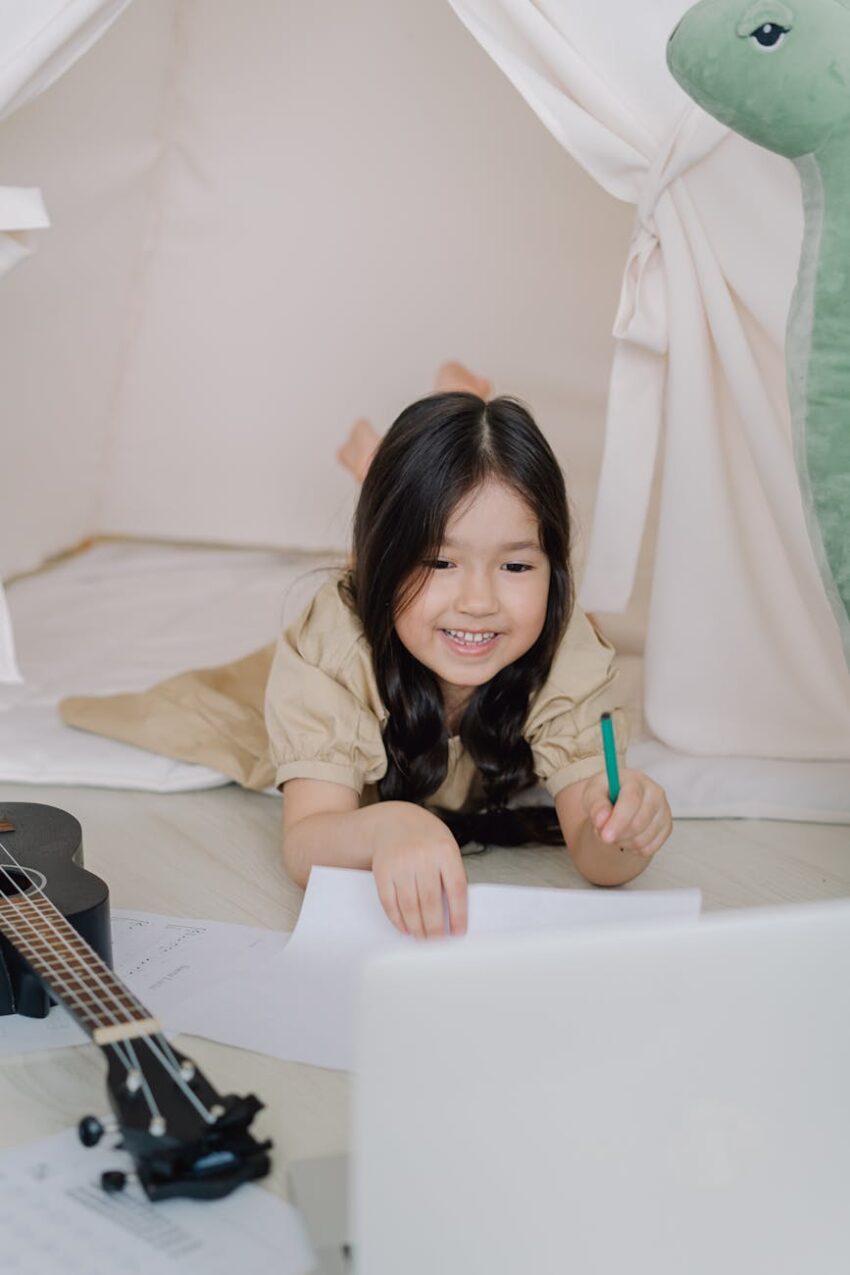
Ever found yourself scrolling through beautiful art on Instagram or admiring a friend’s handmade pottery, thinking, “Man, I wish I could do that?” You’re not alone. So many of us carry this quiet yearning to create, to tap into something deeper, something beyond the daily grind. But then the excuses pile up, don’t they? “I don’t have the time.” “I’m not naturally talented.” “Where would I even start?”
The truth is, for a long time, those were legitimate barriers. Finding a local class that fit your schedule, affording expensive workshops, or simply locating a good teacher for a niche hobby could feel like an Olympic sport. I know the feeling. For years, I told myself I was “just not artistic” because my stick figures looked like they’d been through a blender. My inner artist felt locked away, gathering dust.
But here’s the thing: the world has changed. What most people miss is that unlocking that inner artist has never been easier, more accessible, or more incredibly flexible. We’re talking about e-learning, and honestly, it’s a revelation for anyone with a creative itch.
Beyond the Textbook: Why E-Learning is Perfect for Creative Hobbies
When you hear “e-learning,” you might first think of coding bootcamps or business courses. And sure, it’s great for those. But for creative pursuits? It’s where it truly shines. It’s not just about consuming information; it’s about practical application, guided practice, and building skills step-by-step.
Flexibility That Fits Your Life
This is probably the biggest selling point. Remember those “I don’t have the time” excuses? They melt away. An online course doesn’t care if you’re a night owl who creates best at 1 AM, or a morning person who can squeeze in an hour before work. You set your own pace. You can pause a lesson to grab a coffee, rewind to rewatch a tricky technique, or even binge-watch a whole module on a lazy Sunday afternoon. My schedule is chaotic, and I simply couldn’t commit to a fixed weekly class, which is why I’d given up on learning to play the ukulele for years. Then I found an online course, and suddenly, those 15-minute pockets of free time became practice sessions. It was liberating!
Access to World-Class Instructors, Anywhere
Gone are the days when your creative education was limited by who happened to teach in your town. Now, you can learn from award-winning artists, seasoned photographers, published writers, or master crafters from across the globe, right from your living room. Think about that for a second. That’s a level of expertise and diversity of teaching styles that was simply unimaginable a couple of decades ago.
An Ocean of Options: Dive Deep or Dabble Wide
Want to learn Japanese sumi-e painting? There’s a course. Intrigued by digital calligraphy? You’ll find one. Ever thought about bookbinding, stop-motion animation, or even creating your own custom sneakers? Yep, those courses exist too. The sheer variety is astonishing. You can explore niche interests that would be impossible to find in a local setting, or simply try out a few different things to see what sparks joy without a huge financial commitment.
I remember feeling stuck with my watercolor attempts. Everything looked muddy. I’d bought a book, watched some free YouTube videos, but nothing clicked. Then I found an online course specifically on “loose watercolor florals.” The instructor broke down color mixing and brush strokes in such a clear, encouraging way. It wasn’t just about painting; it was about seeing color differently. That specificity made all the difference.
Making the Most of Your E-Learning Journey
So, you’re convinced. You’re ready to dive in. But how do you navigate this vast ocean of online creative education? It can feel a bit overwhelming at first.
Choosing Your Creative Compass
Look, not all courses are created equal. Here’s what I’ve found helpful:
- Instructor’s Style: Watch preview videos. Does their teaching resonate with you? Are they clear, patient, inspiring? Some instructors are brilliant artists but not great teachers.
- Course Structure: Does it build skills progressively? Are there exercises and projects? A good course isn’t just a demo; it’s a guided journey.
- Reviews and Community: Check what other students are saying. Are they getting results? Is there an active community forum where you can ask questions and share your work? Peer feedback is invaluable.
- Platform Matters: Some platforms specialize in certain types of creative arts (e.g., Skillshare for general creative skills, Domestika for more artisanal crafts, specific artist websites for their unique style). Explore a few. Many offer free trials or individual course purchases before committing to a subscription.
Staying Motivated and Overcoming Obstacles
It’s easy to sign up for a course with enthusiasm, only for life to get in the way. Here are a few strategies that have worked for me:
- Set Realistic Goals: Don’t expect to be a master overnight. Aim for small, consistent progress. “I’ll do one lesson a day,” or “I’ll dedicate an hour every Saturday.”
- Create a Dedicated Space: Even if it’s just a corner of your dining table, having a designated spot for your creative work can make it easier to start.
- Share Your Progress: Whether it’s with an online community, a friend, or just posting on your private social media, sharing your work (even the messy bits!) can be incredibly motivating. Getting feedback, even constructive criticism, helps you grow.
- Embrace Imperfection: This is a big one. My biggest hurdle was always the fear of making something “bad.” But creative growth is all about experimentation, failure, and learning. Don’t let perfection be the enemy of good (or even just finished).
What most people miss is that the true magic happens not when you produce a masterpiece, but when you simply engage with the creative process. It’s about the joy of learning, the satisfaction of making something with your own hands (or digital tools), and the quiet confidence that comes from acquiring a new skill.
Your Inner Artist is Waiting
Look, life is short. If there’s a creative spark within you, don’t let it flicker out because you think you don’t have the time, the talent, or the resources. E-learning has demolished those old barriers. It’s a powerful tool, a welcoming gateway to exploration, skill-building, and profound personal satisfaction.
I’ve seen firsthand how picking up a new creative hobby online can reduce stress, boost confidence, and add a whole new dimension of joy to life. My ukulele still sounds a bit rough sometimes, and my watercolors occasionally bleed where they shouldn’t, but the act of creating itself? That’s pure gold. So, what are you waiting for? Your inner artist isn’t locked away; they’re just waiting for you to hand them the digital key.
FAQ: E-Learning for Creative Hobbies
Q1: I’m a complete beginner. Are online courses suitable for me?
Absolutely! Many online platforms and instructors cater specifically to beginners. Look for courses explicitly labeled “beginner-friendly,” “introduction to,” or “fundamentals.” They’ll often start with the very basics, explaining materials, techniques, and foundational concepts step-by-step. Don’t be afraid to start from square one!
Q2: How much do online creative courses typically cost?
Prices vary widely. You can find free tutorials on YouTube, individual courses for $20-$100+, or subscription models (like Skillshare or Domestika) that offer access to a library of courses for $15-$30 a month or an annual fee. Often, the quality and depth increase with the price, but there are fantastic affordable options out there. Many platforms also offer sales and discounts.
Q3: What kind of equipment will I need for an online creative course?
This depends entirely on the hobby! For digital arts, you might need specific software and a graphics tablet. For painting or crafting, you’ll need art supplies (paints, brushes, paper, yarn, etc.). Good instructors will usually provide a clear materials list at the beginning of the course, often recommending beginner-friendly and affordable options. Don’t feel pressured to buy the most expensive gear right away.
Q4: How do I get feedback on my work when learning online?
Many online platforms include community forums, discussion boards, or dedicated project galleries where you can upload your work and receive feedback from fellow students and sometimes even the instructor. Some courses might offer direct critique sessions as an add-on. Don’t be shy about asking for input; it’s a crucial part of the learning process!
Q5: Can I really learn a complex skill like playing an instrument or drawing realistically through e-learning alone?
Yes, you absolutely can! While in-person instruction offers immediate personalized feedback, high-quality online courses often provide incredibly comprehensive, structured lessons that can guide you to proficiency. The key is consistent practice, actively engaging with the material, and utilizing any available feedback channels. Many professional artists and musicians today credit online resources as a significant part of their learning journey.