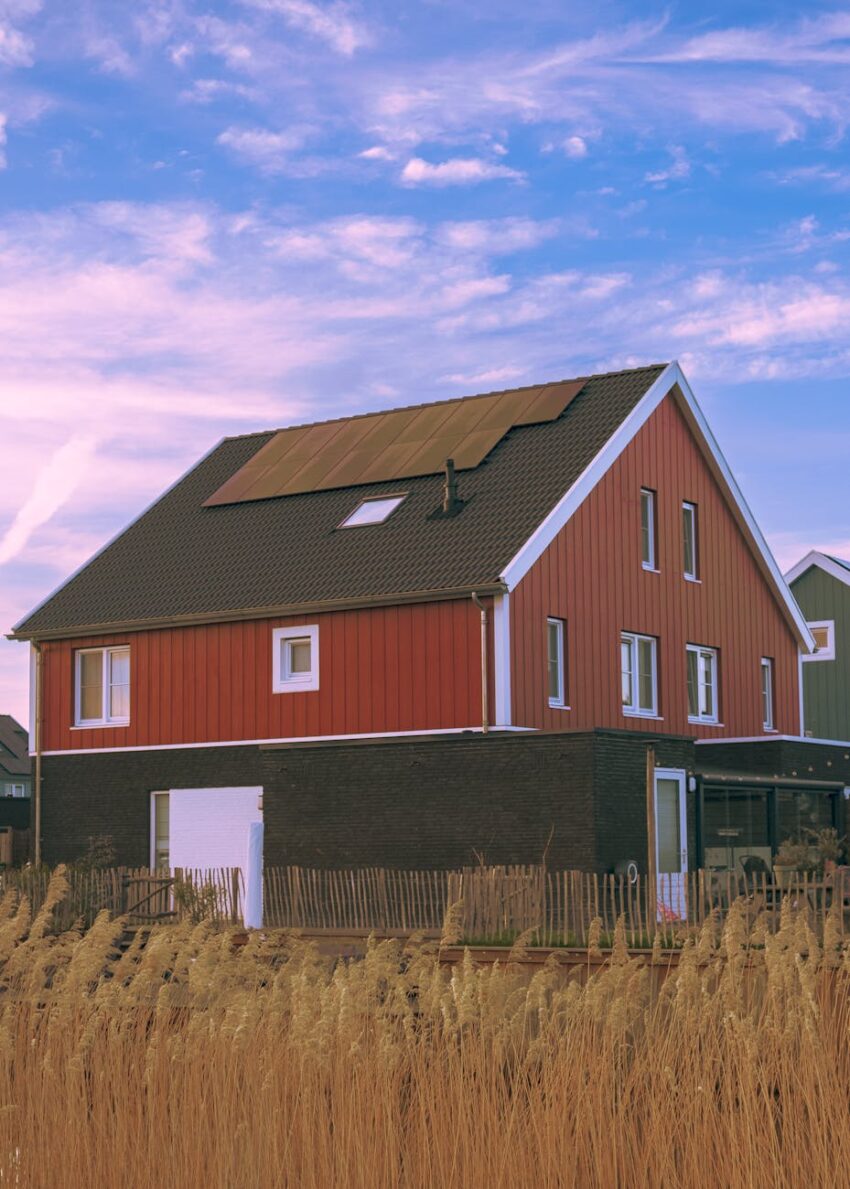
Ever stare at your utility bill and feel a pang of dread? I know I have. It’s a common homeowner experience, that monthly reminder of how much it costs just to keep the lights on and the house warm (or cool). But what if I told you there’s a way to not only slash those bills but also boost your home’s value, make it more comfortable, and feel genuinely good about your impact? It sounds like a dream, doesn’t it? Well, it’s not. It’s the power of green home upgrades, and in my experience, they’re one of the smartest investments you can make in your property.
For years, I’ve seen homeowners on both sides of the fence. Some see “green” as a niche, expensive, or even an overly complicated endeavor. Others, though, have embraced it, and let me tell you, the difference in their homes – and their wallets – is pretty remarkable. The truth is, incorporating sustainable practices into your home isn’t just about being “eco-friendly” anymore; it’s about smart financial planning, long-term comfort, and frankly, a better quality of life.
So, let’s talk about how you can transform your home into a more efficient, valuable, and enjoyable space. We’re not talking about anything extreme, just practical steps that deliver real results.
Why Go Green? It’s More Than Just “Eco-Friendly”
What most people miss is that green upgrades aren’t just for tree-huggers (though I appreciate them!). They’re for anyone who wants a more efficient, comfortable, and valuable home. Here’s what I mean:
- Financial Relief: This is often the biggest motivator. Lower energy and water bills mean more money in your pocket every month. Think about what you could do with an extra $100, $200, or even more.
- Increased Home Value: Believe me, buyers are savvier than ever. They’re looking for homes that are efficient, cost-effective to run, and don’t require immediate major repairs. A home with modern, green features absolutely stands out in the market. In my local area, I’ve seen homes with solar panels or new energy-efficient windows command a higher price and sell faster.
- Enhanced Comfort & Health: Ever had a drafty room? Or a furnace that just couldn’t keep up? Green upgrades often solve these problems. Better insulation, sealed windows, and improved ventilation lead to more consistent temperatures, better indoor air quality, and a quieter home. It’s a game-changer for daily living.
- Future-Proofing: Energy costs aren’t going down. Climate concerns aren’t going away. By upgrading your home now, you’re building resilience and adaptability for the future.
Smart Upgrades That Deliver Real Impact
Now, let’s get down to the specifics. Where should you focus your efforts for the biggest bang for your buck?
Energy Efficiency: Your Wallet’s Best Friend
This is usually the first place I tell people to look. Energy is expensive, and often, our homes are just leaking money.
Insulation & Air Sealing
This is absolutely foundational. If your home isn’t properly insulated and air-sealed, you’re literally paying to heat or cool the outside world. I once worked with a client in a beautiful 1960s ranch home. They loved it, but complained about wildly inconsistent temperatures and huge heating bills in the winter. We discovered their attic had minimal insulation, maybe an R-value of 10-15 when it should have been closer to R-49 or R-60. A good insulation contractor came in, air-sealed the attic, and blew in new insulation. The result? Their furnace ran less often, the house felt evenly comfortable for the first time, and their energy bills dropped by about 25%. It was a relatively low-cost upgrade with massive returns.
Windows & Doors
Older, single-pane windows are notorious energy hogs. Upgrading to ENERGY STAR-rated double- or even triple-pane windows can make a huge difference. Not only do they keep your home more comfortable, but they also block out noise and protect your furniture from UV fading. It’s a significant investment, but the comfort and savings are undeniable.
HVAC Systems
If your furnace or AC unit is over 10-15 years old, it’s likely not operating at peak efficiency. High-efficiency furnaces, heat pumps, and smart thermostats (like Nest or Ecobee) can dramatically reduce energy consumption. Heat pumps, in particular, are incredible because they provide both heating and cooling, often at a fraction of the cost of traditional systems.
LED Lighting
This is an easy one, truly. Swapping out old incandescent bulbs for LEDs uses a fraction of the electricity and lasts far longer. You’ll barely notice the change in light quality, but you’ll certainly notice it on your electric bill. Plus, they don’t produce as much heat, which is a bonus in the summer.
Water Conservation: Every Drop Counts
Don’t underestimate the power of saving water. It’s often overlooked, but it impacts both your water bill and, if you have a septic system, its longevity.
- Low-Flow Fixtures: Swapping out old showerheads and toilets for low-flow, high-efficiency models is simple and effective. Modern low-flow showerheads deliver a great experience without wasting gallons.
- Drought-Tolerant Landscaping (Xeriscaping): If you live in an arid climate, this is a must. Replacing water-guzzling lawns with native plants, gravel, or permeable paving can cut your outdoor water use drastically. I’ve seen some stunning xeriscaped gardens that are far more interesting and beautiful than a boring lawn.
- Rainwater Harvesting: Simple rain barrels can collect rainwater for your garden, reducing your reliance on municipal water for irrigation.
Renewable Energy: Harnessing Nature’s Power
When people think “green,” solar panels often come to mind. And for good reason!
Solar Panels
Installing solar panels can significantly reduce, or even eliminate, your electricity bill. While the upfront cost can be substantial, government incentives (like federal tax credits) and local programs often make it a surprisingly smart investment with a solid return over time. I had a friend who installed solar a few years back, and he loves showing off his “zero” electricity bills – it’s really something.
Indoor Air Quality & Materials: Breathe Easier
Your home should be a sanctuary, and that means paying attention to what’s inside the walls.
- Low-VOC Paints & Materials: Volatile Organic Compounds (VOCs) found in many conventional paints and building materials can off-gas harmful chemicals into your home. Opting for low-VOC alternatives is a simple way to improve indoor air quality.
- Proper Ventilation: Good ventilation is crucial to remove pollutants, moisture, and stale air. This might involve anything from energy-efficient bathroom fans to whole-house ventilation systems.
Making Smart Choices: Where to Start?
Feeling a little overwhelmed by all the options? That’s totally normal. Here’s my advice:
- Get a Home Energy Audit: This is always my top recommendation. A professional energy auditor will use specialized equipment (like thermal cameras) to identify exactly where your home is losing energy. It’s like a medical check-up for your house, and it gives you a clear roadmap of where to focus your efforts for the greatest impact.
- Prioritize High-Impact, Cost-Effective Upgrades: Often, the “boring” stuff like insulation and air sealing offers the best return on investment. Start there before jumping to the flashier (and often more expensive) upgrades.
- Look for Incentives: Always research federal, state, and local incentives, rebates, and tax credits for green home upgrades. They can significantly offset your costs and make these projects even more appealing.
The Payoff: More Than Just Money
Look, making green upgrades isn’t just about saving a buck (though that’s a huge bonus!). It’s about creating a home that feels better, functions better, and is ready for the future. It’s about taking control of your living environment and making conscious choices that benefit you, your family, and even the planet.
I genuinely believe that investing in your home’s efficiency and sustainability is one of the smartest things you can do. You’ll enjoy lower bills, a more comfortable living space, and when it’s time to sell, your home will undoubtedly appeal to a broader, more discerning pool of buyers. It’s a win-win-win situation, and who doesn’t love that?
Frequently Asked Questions About Green Home Upgrades
Q1: Are green home upgrades really worth the upfront cost?
Absolutely. While there’s an initial investment, most green upgrades, especially those focused on energy efficiency, pay for themselves over time through reduced utility bills. Many also significantly boost your home’s resale value, making them a wise financial decision in the long run. Plus, the increased comfort and environmental benefits are hard to put a price on.
Q2: How do I know which upgrades will give me the best return on investment (ROI)?
The best way to figure this out is to start with a professional home energy audit. An auditor can pinpoint your home’s biggest energy inefficiencies, allowing you to prioritize upgrades that will yield the highest savings and therefore the quickest ROI. Generally, insulation, air sealing, and high-efficiency HVAC tend to have excellent payback periods.
Q3: What are some simple, low-cost green upgrades I can do myself?
Plenty! Swapping out old light bulbs for LEDs is a no-brainer. Sealing air leaks around windows and doors with caulk and weatherstripping is cheap and effective. You can also install low-flow showerheads, add a smart thermostat, and use rain barrels for garden irrigation. These small changes add up quickly.
Q4: Will green upgrades make my home more appealing to buyers?
Without a doubt. Modern buyers are increasingly aware of energy costs and environmental impact. A home with documented energy efficiency (like low utility bills or solar panels) is a major selling point. It signals to buyers that they’re investing in a comfortable, cost-effective, and future-proof home, often leading to a quicker sale and a higher price.
Q5: Are there government programs or incentives available for green home upgrades?
Yes, often! Both federal and state governments, along with some local municipalities and utility companies, offer various tax credits, rebates, and grants for energy-efficient home improvements. These can significantly reduce the cost of upgrades like solar panel installation, new windows, or high-efficiency HVAC systems. Always check what’s available in your area before starting a project.