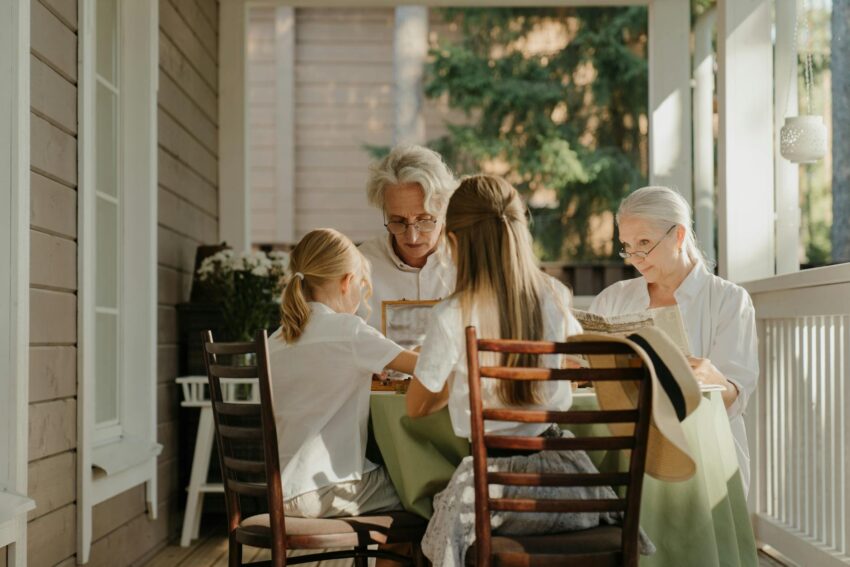
Remember the bustling homes of our grandparents’ generation? Where cousins, aunts, uncles, and grandparents were all a part of daily life? It feels like we’ve drifted from that, doesn’t it? For decades, the ideal has been the nuclear family in its own separate abode. But here’s the thing: multi-generational living isn’t just a nostalgic concept anymore; it’s a smart, soulful solution that’s making a powerful comeback for many families today.
I’ve seen it firsthand in my work as a real estate professional and, frankly, in my own extended family. Economic pressures, the rising cost of childcare and elder care, and simply a desire for closer family ties are all driving this shift. People are realizing that having loved ones nearby, sharing the load, and enriching daily life isn’t just practical – it’s deeply rewarding. But here’s the rub: cramming everyone into a house designed for a different era can lead to friction. That’s why thoughtful design is absolutely non-negotiable.
We’re not talking about simply adding an extra bedroom. We’re talking about homes that are intentionally crafted to foster togetherness while respecting individual boundaries. It’s a delicate balance, but when done right, it truly is beautiful.
Why Multi-Generational Living is More Than a Trend
Look, the truth is, families are complex. Life is complex. And our homes need to reflect that reality. I’ve watched clients struggle with the logistics of caring for aging parents who live miles away, or juggle exorbitant daycare costs while trying to build their careers. For many, the idea of combining households offers a lifeline.
- Financial Relief: Splitting mortgage payments, utility bills, and even groceries can lead to significant savings for everyone involved. That extra cash can mean college funds, retirement savings, or just a little more breathing room.
- Shared Responsibilities: Imagine having your parents nearby to help with school pickups, or your adult children around to lend a hand with yard work. It lightens the load for everyone.
- Emotional Support: This is a big one for me. There’s an incredible richness that comes from daily interactions across generations. Grandparents can share wisdom, grandkids bring youthful energy, and everyone benefits from a strong family unit. It combats loneliness for older relatives and provides a built-in support system for younger ones.
- Caregiving Made Easier: Whether it’s childcare or elder care, having family under one roof simplifies logistics and provides peace of mind.
What most people miss is that this isn’t about going back to old ways blindly. It’s about taking the best parts of extended family living and blending them with modern sensibilities and, crucially, modern design principles.
Designing for Harmony: Key Principles
When I consult with clients looking to create a multi-generational home, my absolute first piece of advice is always the same: prioritize privacy. It might sound counterintuitive when you’re talking about togetherness, but trust me, it’s the foundation of a successful shared living arrangement.
1. Private Havens: Respecting Personal Space
Everyone needs their own retreat. Whether it’s a separate wing, a converted basement apartment, or even a thoughtfully designed suite, having a personal sanctuary is key. I once worked with a family, the Millers, who were bringing Grandma and Grandpa in. Their existing home had a finished basement, but it felt… like a basement. We transformed it into a vibrant, self-contained apartment with its own kitchenette, a proper bathroom with a walk-in shower, and even a small private patio accessed via a sliding glass door. They still shared main meals upstairs, but having their own space for quiet evenings, hobbies, and hosting their own friends made all the difference. It wasn’t just a place to sleep; it was their home within a home.
- Separate Entrances: Where possible, a separate entrance offers a huge sense of independence.
- Dedicated Living Zones: Each family unit should have its own bedroom, bathroom, and ideally, a small sitting area or kitchenette.
- Soundproofing: Don’t underestimate the power of good insulation and solid doors to minimize noise transfer.
2. Thoughtful Shared Spaces: Where Life Happens
While privacy is paramount, the shared spaces are where the magic of multi-generational living truly comes alive. These areas need to be robust, adaptable, and inviting.
- The Kitchen as a Hub: This is often the heart of the home. Consider a larger kitchen island with seating for many, or even two dishwashers! I’ve seen some innovative designs with a main kitchen and a smaller “prep kitchen” or secondary cooking area that can be used simultaneously.
- Flexible Living Areas: Think open-concept, but with defined zones. A large living room might have a cozy nook for reading and a more open area for family game nights. Sectional sofas that can be rearranged are fantastic.
- Multiple Dining Options: A formal dining room is great, but don’t forget casual eating areas, perhaps in the kitchen or even outdoors.
- Shared Laundry Facilities: A large, well-organized laundry room that can handle multiple loads is a lifesaver. Maybe even two sets of washers and dryers if space allows!
3. Accessibility and Future-Proofing
This is where smart design truly shines. If you’re bringing in older relatives or planning for the future, thinking about accessibility upfront saves a ton of headaches (and costs) down the line.
- No-Step Entryways: Crucial for wheelchairs, walkers, or just tired legs.
- Wider Doorways and Hallways: Standard 32-inch doors are fine, but 36 inches offers much more maneuverability.
- Main Floor Living: If possible, ensure at least one bedroom and full bathroom are on the main level.
- Bathroom Considerations: Walk-in showers with grab bars (installed or blocked for future installation), comfort-height toilets, and lever handles are small changes that make a huge difference.
- Smart Home Tech: Voice-activated lighting, smart thermostats, and even video doorbells can enhance convenience and safety for everyone.
4. Outdoor Oasis: Shared & Secluded
Don’t forget the great outdoors! A well-designed yard can extend your living space and provide both communal gathering spots and quiet retreats.
- Communal Patio/Deck: A large area for barbecues, family dinners, and simply enjoying the fresh air together.
- Private Balconies/Patios: If individual units have their own outdoor access, it reinforces that sense of personal space.
- Gardens: A shared vegetable garden can be a wonderful bonding activity, while individual potted plants near private entrances add a personal touch.
Creating a home for multiple generations is an investment – not just financially, but emotionally. It demands open communication, clear boundaries, and, above all, a design that supports everyone’s needs. It’s challenging, yes, but I’ve found that the rewards of having your family closer, sharing life’s journey, are simply immeasurable. It’s truly designing for a richer, more connected way of living.
Frequently Asked Questions About Multi-Generational Homes
Q1: Is it cheaper to build or convert for multi-generational living?
Honestly, it depends! Converting an existing space can be more cost-effective if the bones of the house are good and you don’t need major structural changes. Adding an extension or building a new home from scratch gives you more flexibility in design but will generally be a larger investment. I always recommend getting quotes for both options and considering the long-term value.
Q2: How do we handle utility bills and other shared expenses fairly?
This is a big one and needs to be discussed upfront. Some families opt for a proportional split based on income or square footage occupied, while others prefer a flat percentage per adult. If you have separate meters for utilities, that simplifies things greatly. Open communication and a written agreement can prevent misunderstandings down the road.
Q3: What are the biggest challenges to expect?
Boundaries and communication, without a doubt. Who’s responsible for what chores? What are the rules for guests? How much noise is acceptable? Having clear, open conversations about expectations, responsibilities, and personal space before you move in (and regularly after) is absolutely crucial. Don’t be afraid to set up family meetings to address issues as they arise.
Q4: Does multi-generational living affect property value?
Generally, a well-designed multi-generational home with dedicated living spaces (often called an “accessory dwelling unit” or ADU) can certainly add value, especially in areas where this type of living is popular or where housing is expensive. Buyers often see the flexibility and potential rental income as a huge plus. However, a poorly executed conversion that lacks privacy or proper permitting might not see the same return.
Q5: How do we balance shared family time with individual needs?
This is where those private spaces and clear communication come in. Schedule some dedicated family time – a weekly dinner, a movie night – but also respect everyone’s need for quiet and personal activities. Encourage everyone to pursue their own hobbies and friendships outside the family unit. The goal isn’t to be together 24/7, but to create an environment where you *can* be together, and support each other, without feeling suffocated.