Do you ever wake up feeling like you haven’t really slept? Do you battle persistent brain fog that makes it hard to focus, or nagging aches and pains that just won’t quit, even though you can’t point to a specific injury? Maybe your digestion feels off, or your skin is constantly breaking out, and you just feel… blah. The truth is, many of us shrug these things off as “just getting older” or “part of modern life.” But what if I told you these seemingly disparate symptoms might all be connected by a silent, underlying culprit? I’m talking about chronic inflammation.
For years, I saw clients come to me with these exact complaints, and often, their doctors had told them everything was “normal.” Yet, they felt anything but. It was in digging deeper, connecting the dots between their lifestyle and their symptoms, that the picture of chronic inflammation started to emerge. It’s not the dramatic inflammation you see when you sprain an ankle – that’s acute inflammation, and it’s a good thing, a sign your body is healing. Chronic inflammation, though, is like a low-grade fire smoldering silently within your system, chipping away at your health day after day. And what most people miss is that many of our daily habits are unknowingly fueling that fire.
The Invisible Enemy: What Chronic Inflammation Really Means
Think of your immune system as your body’s personal army. When there’s a real threat – a cut, a virus, a bacteria – the troops are deployed. Blood vessels dilate, white blood cells rush in, and you get heat, redness, swelling, and pain. That’s acute inflammation doing its job. It’s a hero!
But with chronic inflammation, your body’s immune system is stuck in “on” mode, constantly perceiving threats that aren’t actually there. It’s like having your army on high alert 24/7, even when there’s no enemy in sight. Over time, this constant state of vigilance starts to damage healthy tissues and organs. It’s subtle, it’s insidious, and it can pave the way for a whole host of serious health issues down the line, from heart disease and diabetes to autoimmune conditions, certain cancers, and even neurological disorders. It’s a big deal, and it’s something we absolutely have the power to influence.
Fueling or Quenching? Your Plate Holds the Power
Here’s the thing: what you put on your plate every day is either an anti-inflammatory powerhouse or an inflammation-provoking bomb. It’s that simple, yet many of us struggle to make the right choices.
The Anti-Inflammatory Plate: Eat This!
I’ve found that focusing on adding good stuff is often more sustainable than just restricting. So, let’s talk about the stars of the anti-inflammatory show:
- Fruits and Vegetables: Load up! Berries, leafy greens (spinach, kale), broccoli, bell peppers, tomatoes – they’re packed with antioxidants and phytonutrients that actively fight inflammation. I try to make half my plate veggies at every meal.
- Healthy Fats: Not all fats are evil! Think avocados, olive oil, nuts (walnuts, almonds), and fatty fish like salmon, mackerel, and sardines. These are rich in omega-3s, which are powerful anti-inflammatory agents. Seriously, if you’re not eating wild-caught salmon a couple of times a week, you’re missing out on a huge opportunity.
- Whole Grains: Opt for truly whole grains like oats, brown rice, quinoa, and whole wheat (if you tolerate gluten). They offer fiber, which is fantastic for gut health (more on that later!) and overall inflammation reduction.
- Lean Proteins: Chicken, turkey, beans, lentils, eggs – these provide the building blocks your body needs without adding inflammatory burden.
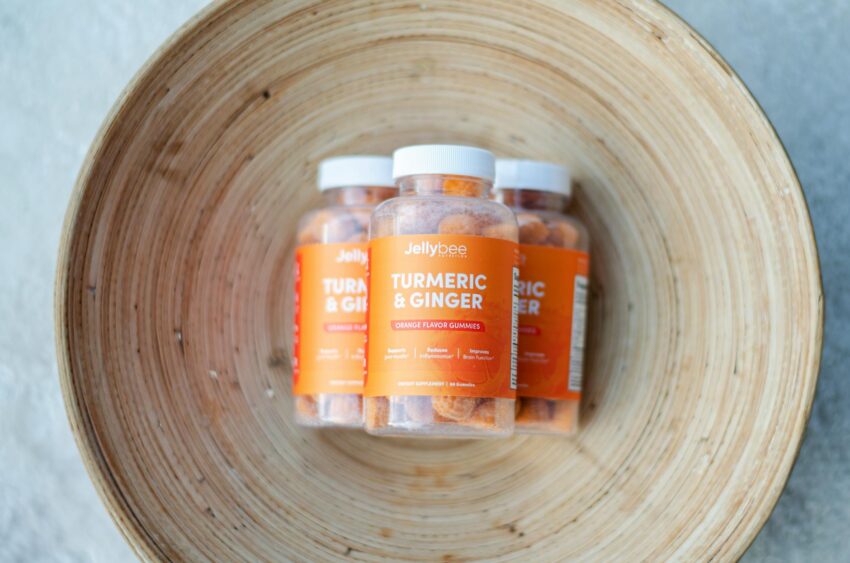
- Spices: Turmeric, ginger, garlic, and cinnamon aren’t just for flavor; they have incredible anti-inflammatory properties. I love adding a pinch of turmeric to my morning smoothie or a curry dish.
Foods to Ditch (or Drastically Reduce): Not Worth It!
Now, for the stuff that throws gasoline on that internal fire. Look, I’m not saying you can never have a treat, but making these a daily habit is a recipe for chronic inflammation:
- Processed Foods: Anything in a package with a long ingredient list you can’t pronounce is usually a red flag. These are often high in unhealthy fats, sugar, and artificial additives.
- Added Sugars: This is a big one. Sugary drinks, candies, pastries – they spike your blood sugar, which triggers an inflammatory response.
- Refined Grains: White bread, white pasta, many breakfast cereals. These have been stripped of their fiber and nutrients and behave similarly to sugar in your body.
- Unhealthy Fats: Trans fats (found in many fried foods and baked goods) and excessive amounts of omega-6 rich vegetable oils (like corn, soy, sunflower oil) can be highly inflammatory.
- Excessive Alcohol: While a glass of red wine occasionally might have benefits, regular heavy drinking is a major inflammation trigger.
My personal rule? If I can make it myself from whole ingredients, it’s probably better than buying it pre-made. And if it comes in a box and promises to be “diet” or “low-fat,” I’m usually highly suspicious.
Move Your Body, Quell the Fire
We all know exercise is good for us, but its role in taming inflammation is often overlooked. The truth is, regular physical activity reduces inflammatory markers in your body and helps manage weight, which is another factor in inflammation.
Gentle, Consistent Movement: Don’t Overdo It
What most people miss is that you don’t need to become an Olympic athlete. In my experience, consistency beats intensity when it comes to long-term health. Thirty minutes of moderate activity most days of the week is a fantastic goal. This could be:
- Brisk walking
- Yoga or Pilates
- Cycling
- Swimming
- Dancing
I’ve seen clients transform their energy levels and reduce joint pain simply by committing to a daily walk. For me, a morning walk with my dog is non-negotiable – it sets the tone for my day and gets my circulation going. Find something you enjoy, and you’re far more likely to stick with it. The key isn’t to push yourself to exhaustion; it’s to get your blood flowing and your muscles working regularly.
Stress Less, Sleep More: Your Body’s Reset Button
Chronic stress and inadequate sleep are two of the biggest, most underestimated drivers of inflammation. When you’re constantly stressed, your body pumps out cortisol and other hormones that, while helpful in a true emergency, are inflammatory when chronically elevated. And when you don’t get enough quality sleep, your body doesn’t get the chance to repair and reset, leading to a build-up of inflammatory compounds.
Mastering Stress: Find Your Calm
This is where personal preference really comes in. What calms one person might frustrate another. Some ideas:
- Mindfulness & Meditation: Even 5-10 minutes a day can make a huge difference in how your body handles stress. There are tons of free apps to guide you.
- Deep Breathing Exercises: Simple, effective, and you can do them anywhere.
- Time in Nature: A walk in the park, gardening, sitting by a window.
- Hobbies: Reading, painting, playing music, anything that takes your mind off worries.
For me, journaling has been a game-changer. Getting thoughts out of my head and onto paper helps me process them rather than letting them churn into anxiety.
Prioritizing Sleep: It’s Not a Luxury
I can’t stress this enough: sleep is non-negotiable for fighting inflammation. Aim for 7-9 hours of quality sleep per night. If you’re consistently getting less, that internal fire is likely raging. Some tips:
- Consistent Schedule: Go to bed and wake up around the same time every day, even weekends.
- Dark, Cool Room: Optimize your sleep environment.
- Wind-Down Routine: Avoid screens an hour before bed. Read, take a warm bath, listen to calming music.
I used to be one of those people who proudly said, “I’ll sleep when I’m dead.” What a mistake! I learned the hard way that skimping on sleep just makes everything else harder, and my body definitely paid the price with more aches and persistent fatigue.
Gut Health is Key: Your Inner Ecosystem
Your gut, often called your “second brain,” plays a monumental role in your immune system and, by extension, inflammation. A healthy gut microbiome – the trillions of bacteria living inside you – is crucial for keeping inflammation in check.
The Microbiome Connection: Feed Your Friends
When your gut flora is out of balance (a condition called dysbiosis), it can lead to a “leaky gut,” where inflammatory substances can pass into your bloodstream. Not good!
- Probiotics: Found in fermented foods like yogurt, kefir, sauerkraut, kimchi, and kombucha. These introduce beneficial bacteria.
- Prebiotics: These are the food for your good gut bacteria. Think garlic, onions, asparagus, bananas, oats, and whole grains.
- Fiber: As mentioned before, fiber is excellent for gut health.
Including a variety of these foods in your diet is like tending a healthy garden inside your body. It really does make a difference in how you feel overall.
The Journey to Taming the Flame
Look, tackling chronic inflammation isn’t about perfection; it’s about consistency and making small, sustainable changes over time. You won’t eliminate all inflammation overnight, but by adopting these daily habits, you’ll be actively working to quench that silent fire and restore balance to your body. I’ve seen it time and again, both in my own life and in the lives of those I’ve worked with: these seemingly small shifts can lead to profound improvements in energy, mood, pain levels, and overall vitality. It’s truly empowering to take control of your health in this way.
Start small. Pick one or two areas from this list to focus on this week. Maybe it’s adding more colorful veggies to your meals, or committing to a 15-minute walk every morning. Don’t underestimate the power of these daily choices. Your body will thank you.
Frequently Asked Questions About Chronic Inflammation
Q1: How quickly can I expect to see results from adopting an anti-inflammatory lifestyle?
A: It varies from person to person. Some people notice improvements in energy, digestion, or pain within a few weeks, while for others, it might take a few months. Consistency is key, and the longer you stick with these habits, the more profound and lasting the benefits will be.
Q2: Do I need to cut out all inflammatory foods completely?
A: Not necessarily. My philosophy is usually about reducing and replacing rather than strict elimination for most people. The goal is to drastically reduce your intake of highly inflammatory foods and replace them with nutrient-dense, anti-inflammatory options. Occasional indulgences are fine, but making them a daily habit is where the trouble starts.
Q3: Are there any supplements that help with chronic inflammation?
A: While a nutrient-rich diet is foundational, certain supplements can be supportive. Omega-3 fatty acids (fish oil), turmeric/curcumin, vitamin D, and certain probiotics are often recommended. However, I always advise consulting with a healthcare professional or a registered dietitian before starting any new supplement regimen, as they can interact with medications or not be suitable for everyone.
Q4: Can stress reduction alone significantly impact inflammation?
A: Absolutely. Chronic stress is a powerful driver of inflammation. While diet and exercise are crucial, effectively managing stress through mindfulness, meditation, adequate sleep, and hobbies can significantly lower inflammatory markers in the body. It’s an often-overlooked but incredibly potent piece of the anti-inflammatory puzzle.
Q5: Is chronic inflammation always linked to pain?
A: Not always. While joint pain, muscle aches, and stiffness are common symptoms, chronic inflammation can manifest in many ways. It can contribute to fatigue, brain fog, digestive issues, skin problems, mood disturbances, and even weight gain without overt physical pain. That’s why it’s often called a “silent” threat.