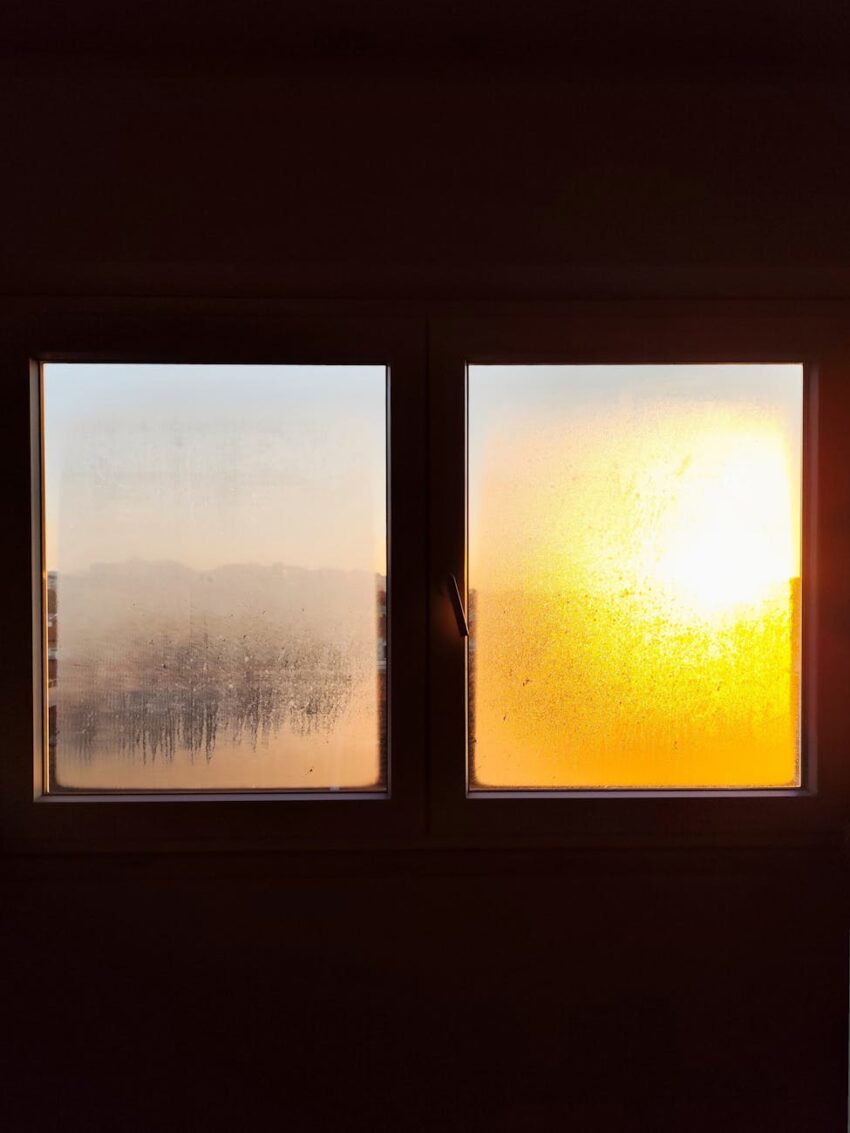
Ever wake up feeling groggy, even after a full eight hours of sleep? Or hit that dreaded 3 PM slump, completely devoid of energy, despite a healthy lunch and good hydration? For years, I chalked it up to stress, diet, or maybe just a bad night’s sleep. But what if I told you that one of the most powerful, yet often overlooked, factors in your daily mood and energy isn’t found in your pantry or your pillow, but rather in the light that surrounds you?
Here’s the thing: we’ve all heard the warnings about blue light from our screens at night. And yes, that’s absolutely a piece of the puzzle. But the truth is, the story of light and its profound impact on your well-being goes so much deeper than just avoiding your phone before bed. It’s about optimizing your daily light exposure – the right kind of light at the right time – to literally rewire your brain for better mood, sharper focus, and sustained energy throughout your day. I’ve seen it work wonders in my own life, and I know it can for you too.
The Circadian Symphony: Your Inner Clock & Light’s Role
Think of your body as a magnificent orchestra, and your circadian rhythm is its conductor. This internal 24-hour clock governs everything from your sleep-wake cycles and hormone production to your metabolism and mood. It’s incredibly complex, but what most people miss is that its master regulator isn’t your alarm clock, it’s light. Specifically, the light signals that hit your eyes.
When light enters your eyes, it doesn’t just help you see. A small, specialized group of cells in your retina sends signals directly to a tiny region in your brain called the suprachiasmatic nucleus (SCN) – your body’s main clock. This SCN then orchestrates the release of hormones like cortisol (our wake-up hormone) and melatonin (our sleep hormone), telling your entire body whether it’s time to be alert or wind down. Pretty neat, right?
Why Blue Light Isn’t the Only Villain (or Hero)
Now, let’s talk about blue light. It’s gotten a bad rap, and for good reason when it comes to evening exposure. Those short-wavelength blue rays, abundant in sunlight and also emitted by our digital screens, are particularly effective at signaling “daytime” to your brain. This is fantastic in the morning, but disastrous at night.
The problem isn’t blue light itself; it’s the timing of that blue light. In fact, blue light is incredibly important for alertness, mood, and cognitive function during the day. We need it! It’s when we blast our brains with it after sunset that we mess up our melatonin production, telling our bodies it’s still noon when it’s clearly time for bed. That’s why simply focusing on blue light blockers at night, while helpful, is only addressing half the equation. We need to actively seek out specific types of light at specific times.
Morning Light: Your Natural Espresso Shot
This is, without a doubt, the single most powerful light hack I’ve incorporated into my routine. For years, I’d wake up, stumble to the coffee maker, and then sit in a dimly lit house, scrolling through my phone. I always felt a bit groggy, like my brain was still trying to boot up. Then I learned about morning light.
The moment you wake up, your body is craving a strong light signal to kickstart your cortisol production and set your circadian clock for the day. This isn’t just about feeling awake; it primes your metabolism, boosts your mood, and even improves your sleep later that night. In my experience, even on cloudy days, getting outside within 30-60 minutes of waking up for at least 10-15 minutes (20-30 minutes if it’s overcast) makes a phenomenal difference. I try to get direct sunlight on my face and eyes (without staring directly at the sun, of course!). I’ll often take my coffee outside, or just step onto my balcony for a few minutes. The difference in my mental clarity and sustained energy throughout the morning is truly profound. It’s like a natural, sustained shot of espresso, without the jitters.
Midday & Afternoon: Sustaining the Glow
If you work indoors, especially in an office with artificial lighting, you’re likely missing out on crucial daytime light exposure. Office lighting, even if it seems bright, is usually far less intense than natural outdoor light. This can lead to that mid-afternoon slump, eye strain, and even contribute to general fatigue.
My advice? Take your breaks outside. Even 10-15 minutes of walking around your building, sitting by a window, or eating your lunch outdoors can make a huge difference. You’re not just getting a fresh dose of natural light; you’re giving your eyes a break from screens and boosting your mood with a change of scenery. I’ve found that even a quick walk around the block after lunch helps me feel refreshed and ready to tackle the rest of the workday, rather than just dragging myself through it.
Evening & Night: Dimming the Lights for Rest
This is where the blue light warnings become critically important. As the sun sets, your body expects a reduction in bright, blue-rich light. This is the signal for your brain to start producing melatonin, the hormone that makes you feel sleepy and prepares your body for restorative sleep.
But what do most of us do? We spend our evenings bathed in artificial light from overhead fixtures, TVs, tablets, and phones – all of which emit significant amounts of blue light. This sends a confusing signal to your brain: “Hey! It’s still daytime! Stay awake!”
Here’s how I manage my evenings, and what I recommend:
- Dim the Lights: About 2-3 hours before bed, I start dimming the lights in my home. I use dimmer switches where I can, and I’ve replaced overhead bulbs with warmer, lower-wattage options in key areas like the living room and bedroom.
- Embrace Red/Amber Light: I’ve got lamps with warm, amber-hued bulbs, and even a red light bulb in my bedroom. Red light has minimal impact on melatonin production, making it ideal for evening illumination. Some might call it my “red light district,” but hey, it works!
- Blue-Blocking Glasses: For the last couple of hours before bed, especially if I have to be on a computer or watching TV, I wear amber or red-tinted blue-blocking glasses. They might look a bit silly, but the difference in how quickly I fall asleep and the quality of that sleep is undeniable.
- Screen Filters & Night Mode: Most devices now have “Night Shift” or similar features that reduce blue light. Use them! Better yet, try to avoid screens altogether for an hour or two before bed and pick up a physical book. That’s my personal preference.
My Personal Light Optimization Routine
Bringing it all together, my daily light strategy looks something like this:
- 6:30 AM: Alarm goes off. Immediately head outside for 15-20 minutes with my morning tea. Even if it’s cloudy, I make sure to get that initial outdoor light exposure.
- 7:00 AM – 5:00 PM: Workday. I try to position my desk near a window if possible. I take short breaks to step outside, especially after lunch.
- 5:00 PM – 8:00 PM: Evening activities. Still getting some natural light if I’m outside, but mostly relying on indoor lighting.
- 8:00 PM: “Light lockdown” begins. I dim overhead lights, switch to lamps with warm bulbs, and put on my blue-blocking glasses if I’m using screens. No bright, harsh lights.
- 9:30 PM: Start winding down. Put away screens, read a physical book under a dim, warm light, or just chat with my partner.
- 10:00 PM: Bedtime. Bedroom is completely dark.
It’s not about being perfect every single day, but consistently implementing these practices has transformed my energy levels, stabilized my mood, and given me the best sleep of my life. I genuinely believe that consciously managing your light exposure is one of the most underrated tools for optimizing your health and well-being. Give it a try; you might be surprised at how good you feel!
Frequently Asked Questions About Light & Wellness
Q: How long do I need to be outside in the morning?
A: Aim for 10-15 minutes of direct outdoor light if it’s bright and sunny, or 20-30 minutes on a cloudy day. Even diffuse light still helps! Consistency is more important than duration.
Q: Do I need to wear blue-blocking glasses all day?
A: Absolutely not! Blue light is beneficial during the day for alertness and focus. Save those stylish blue-blockers for 2-3 hours before bedtime to protect your melatonin production.
Q: What if I can’t get outside first thing in the morning?
A: If getting outside isn’t an option, try to sit by a bright window. While not as effective as direct outdoor light, it’s certainly better than a dimly lit room. You could also consider a high-quality light therapy lamp (10,000 lux) and use it for 20-30 minutes upon waking, positioned about an arm’s length away, not staring directly into it.
Q: Are all “warm light” bulbs good for the evening?
A: Look for bulbs with a low color temperature (measured in Kelvins, K). Anything below 2700K is generally good for evening use; 2200K or even lower is ideal. Avoid anything labeled “daylight” or “cool white” in the evenings, as these often have more blue light.
Q: Does light exposure affect seasonal affective disorder (SAD)?
A: Yes, very much so! Reduced natural light in winter months can exacerbate SAD symptoms. Targeted light therapy with a full-spectrum, 10,000 lux light box, used consistently in the mornings, is a common and effective treatment. Always consult with a healthcare professional for diagnosis and treatment of SAD.