We talk a lot about real estate, don’t we? The dream home, the rental property, flipping houses for profit. It’s always about the structure, the four walls, the roof over our heads. But what if I told you there’s an often-overlooked, incredibly powerful asset right beneath our feet that most people completely ignore?
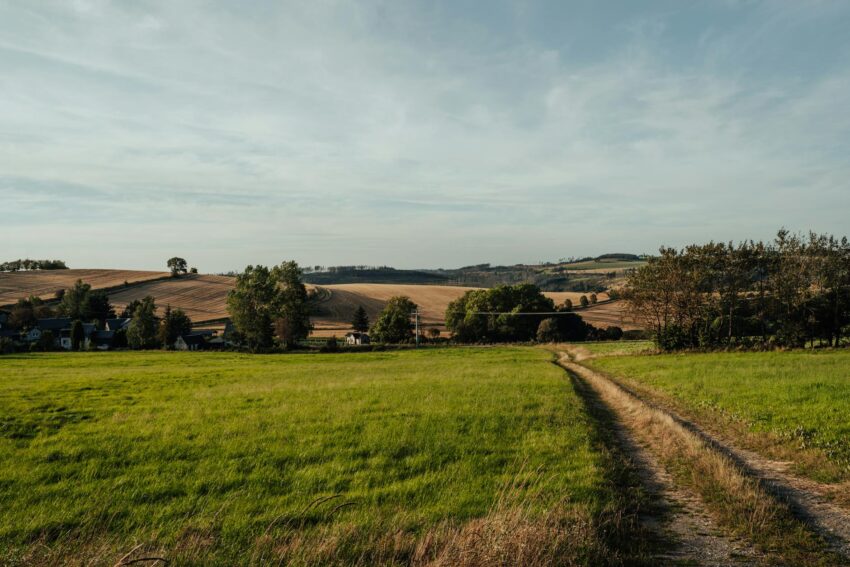
I’m talking about land. Raw land. Vacant land. The dirt, the trees, the open fields. For years, I’ve watched countless investors focus solely on homes, apartments, or commercial buildings, while the very foundation of all these assets—the land itself—sits quietly, patiently appreciating, often with far less hassle.
The truth is, investing in land can be one of the most rewarding and strategic moves you make in your portfolio. It’s not just for big developers anymore; it’s an accessible path to wealth creation for the everyday investor, and it offers unique advantages that traditional properties simply can’t match. What most people miss is the sheer potential in something so seemingly simple.
Why Land? It’s More Than Just Dirt
Look, I get it. A house is tangible. You can live in it, rent it out, paint the walls. Land, to many, feels less “active.” But that’s precisely where its power lies. It’s a different kind of investment, one that plays a longer game but often yields incredible results.
Scarcity and Inherent Value
Here’s the thing about land: they’re not making any more of it. Every house, every shopping mall, every new office building has to sit on *something*. As populations grow and cities expand, the demand for buildable land only increases. This inherent scarcity drives value. Think about it – your house might depreciate, need constant repairs, or go out of style, but the ground it sits on? That’s almost always appreciating, especially in desirable areas.
I remember my old neighbor, a quiet man named Frank. He bought five acres just outside our town back in the 90s for a song. Everyone chuckled, wondering what he’d do with all that undeveloped space. He just smiled, paid his modest property taxes, and waited. Fast forward twenty-five years, and our town has sprawled. That “useless” five acres is now prime development land, worth more than his house and mine combined. He didn’t lift a finger beyond paying the annual bill. That’s the power of patience and inherent value.
Simplicity and Lower Overhead
This is where land truly shines for many investors. No tenants calling you at 2 AM about a leaky toilet. No roofs to replace, no HVAC systems to repair, no kitchens to remodel. When you own vacant land, your primary expenses are usually property taxes and possibly some basic maintenance like brush clearing, depending on the acreage and location. It’s a remarkably hands-off investment once the initial due diligence is done.
I’ve found it offers a peace of mind that rental properties just don’t. You’re investing in an asset that largely takes care of itself, allowing you to focus your time and energy elsewhere.
Diverse Opportunities
The potential uses for land are incredibly varied. You might buy a parcel with an eye toward future residential development, knowing the city is growing in that direction. Perhaps it’s a piece of recreational land – a place for hunting, camping, or just escaping the city on weekends. It could be agricultural land, leased out to a farmer, or even land with mineral rights. The possibilities are vast, and you can tailor your investment to your goals and risk tolerance.
Exploring the Land Market: What to Look For
So, you’re intrigued. Great! But how do you pick a good piece of land? It’s not as simple as just buying any plot you see. There are crucial factors to consider.
Location, Location, Location (Still Applies!)
Just like with houses, location is paramount. Is the land near an expanding city? Is there new infrastructure planned nearby, like a highway exit or a major commercial development? Proximity to amenities, job centers, and transportation hubs will always enhance value. Even rural land benefits from being within a reasonable drive of a town for supplies or services.
Zoning and Permitting
This is probably the single most important factor. What can you *actually do* with the land? Is it zoned for residential, commercial, industrial, or agricultural use? Are there any specific permits or restrictions? You might find a gorgeous, cheap piece of land, only to discover it’s zoned exclusively as a protected wetland where you can’t build so much as a shed. Always, always check the zoning with the local planning department. This isn’t a step you skip, ever.
Access and Utilities
Does the land have direct road access, or is it landlocked? If it’s the latter, you’ll need an easement, which can be tricky and costly to secure. What about utilities? Is there power available at the property line? What about water and sewer, or is it well and septic territory? The further you are from existing infrastructure, the higher the cost to develop. Sometimes, a slightly more expensive piece of land with utilities already nearby is a better deal than a “cheap” piece that will cost a fortune to connect.
Topography and Environmental Factors
Walk the land. Seriously. I once walked a promising piece of property with a client, and what looked flat on the map turned out to be a heavily sloped hillside with significant erosion issues. Consider flood plains, wetlands, soil quality, and any existing easements for things like pipelines or power lines. These can all impact usability and future value.
Strategies for Success: How to Approach Land Investment
There’s more than one way to make money with land. It really depends on your timeline and how active you want to be.
Buy and Hold (The Patient Play)
This is what Frank, my neighbor, did. Purchase a desirable piece of land, pay the taxes, and let time and market appreciation do the heavy lifting. This strategy is ideal if you have capital you don’t need immediately and a long-term outlook. It’s remarkably low-stress.
Value-Add (The Active Approach)
This is where you get your hands a bit dirtier, figuratively speaking. You might buy a large tract, subdivide it into smaller lots, and sell them individually. Or perhaps you rezone a parcel from agricultural to residential, significantly increasing its value. Maybe you clear some dense brush, put in a rough access road, or even just conduct a thorough survey and perk test (for septic systems) to make it more attractive to future buyers. These actions add tangible value that goes beyond simple market appreciation.
Recreational or Lifestyle Purchase
Sometimes, the “return” isn’t purely monetary. I’ve known plenty of folks who’ve bought acreage primarily for personal enjoyment – a place to hunt, fish, camp, or simply get away. They see it as an investment in their quality of life, with the added bonus that the land is likely appreciating over time. It’s a win-win in my book.
The Hidden Challenges (Because It’s Not All Sunshine)
While I’m clearly a big fan of land investment, it’s not without its own set of considerations. No investment is a guaranteed home run, and land is no exception.
For starters, land can be less liquid than a house. Selling a vacant lot might take longer than selling a move-in ready home, especially if it’s a niche property. Financing can also be trickier; many traditional lenders prefer to finance properties with existing structures, so you might need a specialized land loan or a higher down payment. And as I mentioned earlier, due diligence is paramount. You absolutely have to do your homework before buying, or you could end up with a costly mistake.
But despite these challenges, the potential for significant, often passive, wealth creation with land is undeniable. It’s an asset class that deserves far more attention than it typically receives.
So, the next time you’re thinking about real estate, don’t just look at the houses. Look at the ground beneath them. Look at the open fields, the wooded lots, the forgotten parcels. There might just be an incredible opportunity waiting for you to unlock its hidden value.
Frequently Asked Questions About Land Investment
1. Is raw land a good investment for beginners?
Yes, it absolutely can be! For beginners, raw land often offers a simpler entry point than managing a rental property. The “buy and hold” strategy is relatively passive. However, it’s critical to do thorough due diligence (zoning, access, utilities) as a beginner, perhaps even more so, to avoid costly mistakes.
2. How do I finance a land purchase?
Financing land can be a bit different from financing a home. Traditional mortgages usually aren’t available for raw land. You might need to look into specialized land loans from local banks or credit unions, which often require a larger down payment (20-50%) and may have higher interest rates or shorter terms. Owner financing, where the seller acts as the bank, is another common option.
3. What kind of due diligence should I perform before buying land?
Always check zoning and land-use restrictions with the local planning department. Verify access (public road, easement). Research utility availability (water, sewer, power). Get a survey, title search, and environmental assessment. Also, physically inspect the property for topography, flood plains, or other issues. Don’t skip any of these steps!
4. Can I make money quickly with land?
While it’s possible to “flip” land by adding value (like subdividing or rezoning) and selling it quickly, land investment is generally considered a longer-term play. Market appreciation takes time, and the “buy and hold” strategy often requires patience. For most investors, significant returns come over several years, not months.
5. What are the ongoing costs of owning vacant land?
The primary ongoing cost for vacant land is property taxes. Depending on the location and specific property, you might also have minor costs for liability insurance, basic maintenance (like brush clearing), or homeowners association (HOA) fees if it’s part of a planned community. Compared to a house, these costs are typically quite low.