Ever walked into a room and instantly felt calmer, happier, or more energized, all thanks to a particular scent? Or maybe a specific aroma has transported you back to a cherished memory, bringing a smile to your face without you even realizing why? That’s the magic of scent, and it’s far more powerful than most people give it credit for. We’re talking about aromatherapy, and it’s not just a fancy spa treatment; it’s a profound tool for transforming your daily mood and overall well-being.
For years, I’ve been fascinated by the subtle yet profound ways our senses influence us. But it wasn’t until a particularly stressful period in my life – juggling work deadlines, family demands, and feeling utterly depleted – that I really leaned into aromatherapy. I remember one evening, utterly frazzled, I diffused some lavender in my bedroom. Within minutes, I could feel my shoulders relax, my breathing deepen. It wasn’t a miracle cure, but it was a tangible shift, a gentle nudge back towards peace. And that, my friends, is when I truly became a believer.
The Science of Scent: Why It Works
Here’s the thing: our sense of smell is unique among our senses. When you inhale an aroma, the tiny molecules travel directly to your olfactory bulb, which is part of your limbic system. What’s the limbic system? It’s the ancient part of your brain responsible for emotions, memory, and even motivation. Unlike other senses, scent bypasses the thalamus – the brain’s main relay station – and goes straight for the emotional core. Pretty cool, right?
This direct pathway means that essential oils, which are concentrated plant extracts carrying the plant’s natural aroma and therapeutic properties, can have an immediate and powerful impact on our mood and physiology. A whiff of peppermint can perk you up, while a breath of bergamot can lighten a heavy heart. It’s not just in your head; it’s literally in your brain, triggering chemical responses that can alter your stress levels, focus, and emotional state.
Your Aromatherapy Toolkit: Essential Oils for Every Mood
The world of essential oils can seem daunting at first, with so many options out there. But you don’t need to know them all. Start with a few key players, and you’ll quickly discover your personal favorites. Think of them as your natural mood-shifters.
Calm and Serenity
- Lavender: Ah, the undisputed queen of calm. Lavender is my absolute go-to for winding down. Whether I’m adding a few drops to a warm bath before bed or diffusing it in my living room after a chaotic day, its soft floral scent just melts away tension. It’s fantastic for promoting restful sleep and easing anxious feelings.
- Chamomile (Roman): Sweet, apple-like, and wonderfully soothing. If you struggle with persistent worry or have trouble truly relaxing, chamomile can be a gentle but powerful ally. I’ve found it particularly helpful during periods of mental overdrive.
- Frankincense: Often called the “king of oils,” frankincense has a rich, earthy, resinous aroma that fosters feelings of peace and spiritual grounding. It’s excellent for meditation or when you need to feel centered and quiet your mind.
Energy and Focus
- Peppermint: Need a pick-me-up that doesn’t involve another cup of coffee? Peppermint is your friend. Its strong, minty scent is incredibly invigorating. I love to diffuse it when I’m working on a project that requires intense concentration, or just take a quick sniff from the bottle if I hit that mid-afternoon slump. It’s also great for head tension!
- Lemon: Bright, zesty, and undeniably uplifting. Lemon essential oil is like sunshine in a bottle. It can boost your mood, reduce feelings of stress, and help you feel more alert and positive. I often diffuse it in the mornings to kickstart my day with a cheerful vibe.
- Rosemary: This herb isn’t just for cooking! Rosemary essential oil has a strong, herbaceous scent that’s fantastic for mental clarity and memory. If you’re studying or need to stay sharp, try diffusing a little rosemary.
Uplift and Joy
- Sweet Orange: Pure happiness! Sweet orange oil has a wonderfully cheerful and sweet citrus aroma that instantly brightens the mood. It’s fantastic for diffusing when you need a boost of optimism or just want your home to smell inviting and joyful.
- Bergamot: A unique citrus scent with a hint of floral. Bergamot is known for its ability to reduce feelings of anxiety and stress while simultaneously uplifting the mood. It’s one of my favorites for those days when I feel a bit down and need a gentle lift.
- Grapefruit: Another fantastic uplifting citrus oil, grapefruit is known for its invigorating and stimulating properties. It can help reduce mental fatigue and promote feelings of energy and positivity.
Bringing Scent Therapy Home: Practical Applications
Now, how do you actually incorporate these wonderful scents into your daily life? It’s easier than you might think!
Diffusing
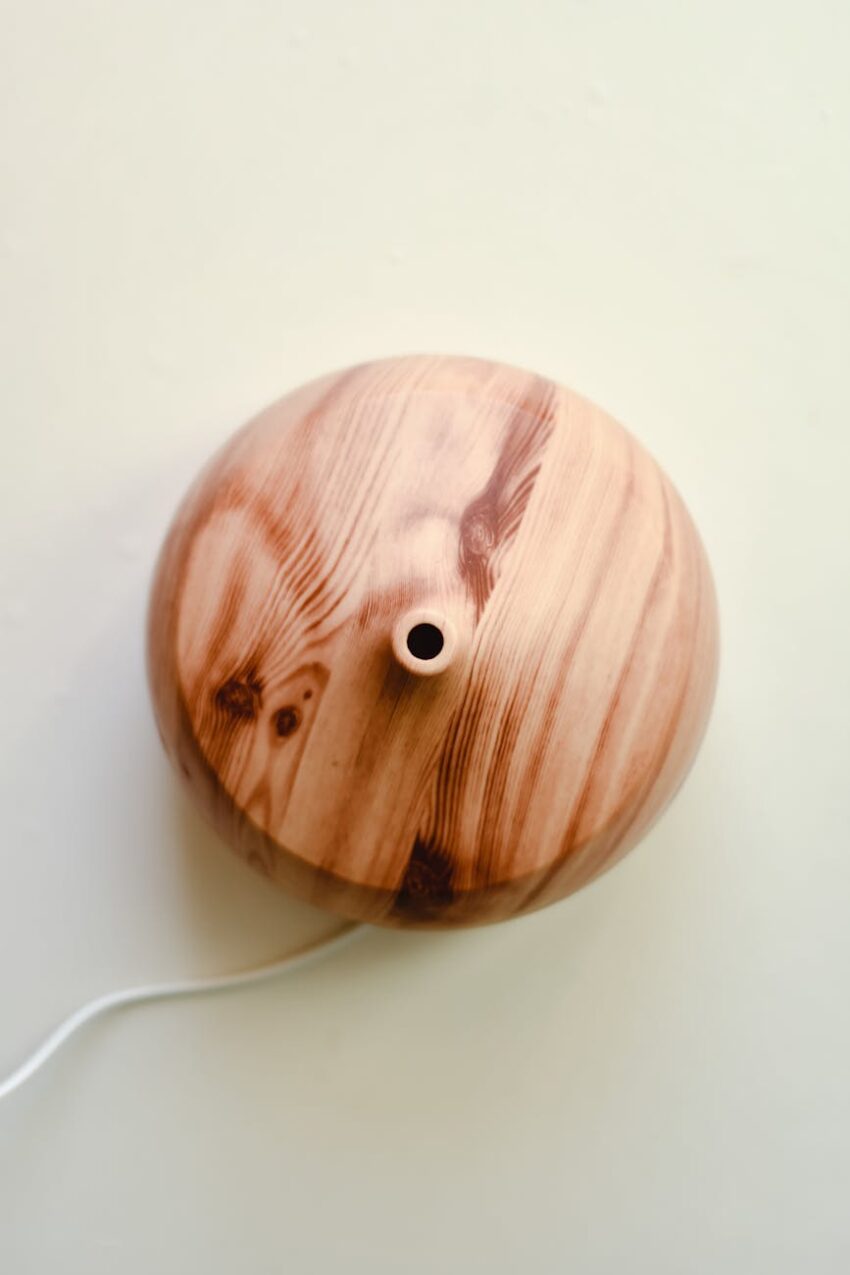
This is probably the most popular and easiest way to experience aromatherapy. An ultrasonic diffuser disperses a fine mist of water and essential oil into the air, filling your space with its therapeutic aroma. It’s perfect for setting a mood in a whole room – whether it’s calming your bedroom before sleep or energizing your home office.
Topical Application
Applying diluted essential oils to your skin allows them to be absorbed into your bloodstream and also provides a localized aromatic experience. Always dilute essential oils with a carrier oil (like jojoba, almond, or fractionated coconut oil) before applying them to your skin. A good rule of thumb is 1-2 drops of essential oil per teaspoon of carrier oil. You can apply them to pulse points, the temples, the back of the neck, or the bottoms of your feet. I love making rollerball blends for on-the-go relief!
Aromatic Baths
Transform your ordinary bath into a luxurious, therapeutic soak. Add 5-10 drops of essential oil (diluted in a tablespoon of carrier oil or dispersed in Epsom salts) to warm bathwater. The warm water helps the oils disperse and allows you to inhale the beneficial vapors. A lavender and chamomile bath before bed? Pure bliss.
Personal Inhalers
For a discreet and portable option, consider an essential oil inhaler. These small tubes contain a cotton wick where you drop your chosen essential oils. They’re fantastic for travel, work, or whenever you need a quick aromatic boost without affecting others.
Not All Scents Are Created Equal: Why Quality is Key
What most people miss is that the quality of your essential oils truly matters. The truth is, the market is flooded with synthetic “fragrance oils” or highly diluted essential oils that offer little to no therapeutic benefit. Look, if you’re trying to use scent as therapy, you need the real deal.
When I talk about essential oils, I’m talking about 100% pure, therapeutic-grade oils. These are extracted directly from plants and contain the full spectrum of beneficial compounds. Always check labels, research brands, and prioritize purity. You want oils that are steam-distilled or cold-pressed, with no added fillers or synthetic fragrances. You might pay a little more, but you’ll notice the difference in effectiveness and aroma, I promise.
A Little Dab’ll Do Ya: Safety Tips
While essential oils are natural, they are also highly concentrated and potent. A little goes a long way! Here are a few safety considerations:
- Dilute, Dilute, Dilute: As mentioned, always dilute essential oils with a carrier oil before applying them to your skin.
- Patch Test: Before applying a new oil to a larger area, do a patch test on a small, inconspicuous part of your skin to check for sensitivity.
- Avoid Eyes and Mucous Membranes: Essential oils can be irritating to these sensitive areas.
- Internal Use: Unless under the direct supervision of a qualified healthcare professional or certified aromatherapist, do NOT ingest essential oils. Many are not safe for internal use and can cause serious harm.
- Pregnancy, Children, and Pets: Always consult with a doctor or veterinarian before using essential oils around pregnant women, young children, or pets, as some oils may not be safe for them.
Scent as therapy isn’t about magical cures; it’s about harnessing the incredible power of nature to support your emotional well-being. It’s a simple, accessible, and enjoyable way to be more intentional about your mood and create pockets of calm, energy, or joy throughout your day. So go on, explore the beautiful world of aromatherapy. Find the scents that resonate with you, and start transforming your mood, one beautiful breath at a time.
Frequently Asked Questions About Aromatherapy
Q: What’s the difference between essential oils and fragrance oils?
A: This is a crucial distinction! Essential oils are natural, concentrated extracts derived directly from plants, carrying their therapeutic properties and natural aroma. Fragrance oils, on the other hand, are synthetically created in a lab to mimic scents, and they offer no therapeutic benefits. They are often made from petrochemicals and can sometimes contain allergens.
Q: How do I know if an essential oil is pure?
A: Look for oils labeled “100% pure essential oil” with the botanical name of the plant clearly listed. Reputable brands often provide Gas Chromatography-Mass Spectrometry (GC-MS) test reports, which verify the oil’s purity and chemical composition. Be wary of terms like “fragrance oil,” “perfume oil,” or “therapeutic grade” if not backed by third-party testing.
Q: Can I use essential oils directly on my skin without dilution?
A: It’s generally not recommended. Essential oils are very potent and can cause skin irritation or sensitization if applied undiluted, especially for those with sensitive skin. Always dilute them with a carrier oil like fractionated coconut oil, jojoba, sweet almond, or grapeseed oil before topical application.
Q: Are essential oils safe for pets?
A: This is a complex question with no simple “yes” or “no.” Many essential oils are toxic to pets, especially cats and dogs, even through diffusion. Always consult with a holistic veterinarian before using essential oils around or on your pets. Some oils like tea tree oil are notoriously dangerous for animals.
Q: How long do the effects of aromatherapy last?
A: The duration of aromatherapy’s effects can vary greatly depending on the individual, the essential oil used, and the method of application. When diffused, the aroma might linger for a while, and the mood benefits can last from minutes to a few hours. When applied topically, the effects can last longer as the oils are absorbed into the bloodstream. It’s often about creating consistent micro-moments of aromatic support throughout your day.