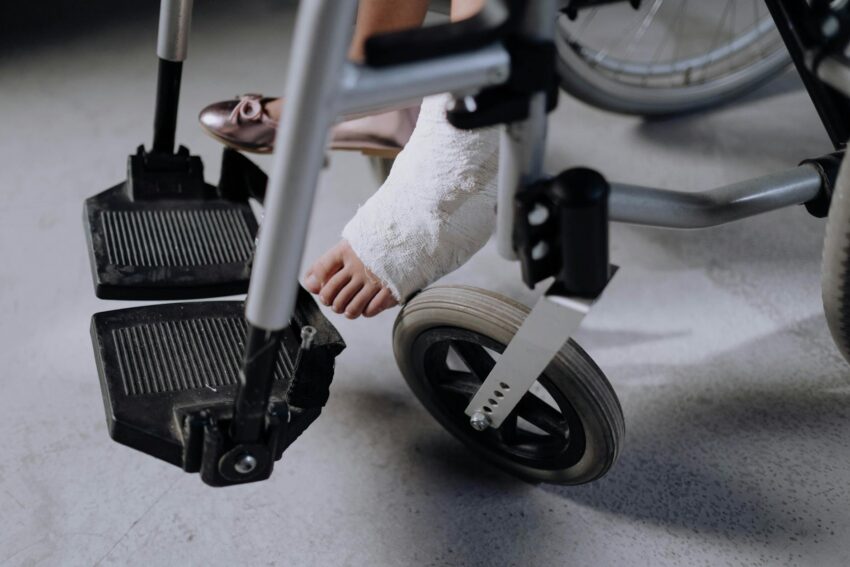
Imagine this: You’ve just bought a brand-new appliance, excited to try it out. Maybe it’s a shiny new coffee maker, or a power tool for that DIY project you’ve been planning. You follow all the instructions, you’re being careful, and then – bam! – something goes wrong. The coffee maker sparks and burns your hand. The power tool malfunctions and sends shrapnel flying, causing a nasty cut. One minute you’re an eager consumer, the next you’re injured, confused, and wondering, “What just happened?”
Here’s the thing: products we buy, from the simplest toy to the most complex vehicle, are supposed to be safe. We trust that manufacturers have done their due diligence, that they’ve designed, built, and tested these items to prevent harm. But sometimes, despite all the regulations and expectations, they fail. When a defective product causes an injury, it’s not just an accident; it’s a breach of that trust, and you have legal rights.
I’ve seen firsthand the devastating impact a defective product can have on someone’s life. It’s not just the immediate pain; it’s the medical bills, the lost wages, the emotional trauma, and the lingering fear. My goal today is to shed some light on this complex area of law and help you understand your legal path to compensation if you or a loved one have been hurt by a faulty product.
The Shocking Truth About Product Defects
You might think a defective product injury is rare, but the truth is, it happens more often than you’d think. Products can be dangerous for a few key reasons, and understanding these distinctions is crucial for building a strong legal case.
Design Defects
This is when the product is inherently dangerous from the get-go, even if it was manufactured perfectly according to its plans. The flaw lies in the blueprint itself. Think about a car model where the fuel tank is placed in a spot that makes it prone to exploding in rear-end collisions. Even if every single car was built exactly as designed, the design itself is unsafe. It’s not about a single faulty item; it’s about the entire line being problematic.
Manufacturing Defects
Unlike a design defect, a manufacturing defect occurs during the production process. Here, the design might be perfectly safe, but an error on the assembly line or a faulty component makes an individual product, or a batch of products, dangerous. Maybe a batch of tires used substandard rubber, or a medical device had a crucial screw omitted during assembly. I remember a case where a client was severely burned because their new slow cooker had a faulty thermostat that caused it to overheat dangerously – a clear manufacturing glitch.
Failure to Warn (Marketing Defects)
Sometimes, a product is perfectly designed and manufactured, but it comes with inherent risks that aren’t obvious to the user. In these situations, manufacturers have a legal obligation to warn consumers about these potential dangers. If a medication has a serious side effect, but the warning label doesn’t mention it, that’s a failure to warn. Or perhaps a cleaning product is highly corrosive, but its packaging doesn’t adequately convey the need for gloves and eye protection. What most people miss is that even if you think a risk is obvious, if the average consumer wouldn’t know, a warning is still necessary.
Your Right to Recourse: What is Product Liability?
When you’re injured by a defective product, the legal principle that comes into play is called product liability. This area of law holds manufacturers, distributors, suppliers, retailers, and others in the chain of commerce responsible for injuries caused by their unsafe products. The beauty of product liability is that, in many cases, you don’t have to prove negligence in the traditional sense. It often operates under a doctrine called “strict liability,” meaning if the product was defective and it caused your injury, the responsible parties can be held liable, regardless of whether they intended to cause harm or were even careless.
Now, that doesn’t mean it’s a walk in the park. These cases are rarely simple. You’re often up against large corporations with deep pockets and aggressive legal teams. That’s why having knowledgeable representation is so crucial.
The Path Forward: Steps After an Injury
If you’ve been injured by a defective product, your actions immediately following the incident can significantly impact your ability to pursue a successful claim. Don’t underestimate the power of documentation and swift action.
Step 1: Seek Medical Attention (and Document Everything)
Your health is paramount. Get immediate medical help for your injuries. This isn’t just for your well-being; it also creates an official record of your injuries, their severity, and their direct link to the incident. Keep every receipt, every doctor’s note, every prescription. If you can, take photos of your injuries as they heal (or don’t heal).
Step 2: Preserve the Defective Product
This is absolutely critical. Do not throw away, try to fix, or alter the product that caused your injury. It is the most important piece of evidence you have. Store it safely, exactly as it was after the incident. If it was part of a larger system (like a faulty car part), try to preserve the surrounding components if possible. I’ve had clients inadvertently discard crucial evidence, making their case significantly harder to prove. Don’t make that mistake!
Step 3: Don’t Talk to the Manufacturer’s Insurers Alone
Look, after an injury, you might get a call from the manufacturer’s insurance company or their representatives. They might sound friendly, even sympathetic. But their primary goal is to minimize their company’s payout, not to help you. They might try to get you to make recorded statements, sign waivers, or accept a quick, lowball settlement. Politely decline to speak with them until you’ve consulted with your own attorney. Anything you say can be used against you.
Step 4: Contact an Experienced Attorney
This is probably the most important step. A product liability attorney knows the intricate laws, understands how to investigate these cases, and can stand up to powerful corporations. They’ll help you gather evidence, consult with experts (like engineers or medical professionals), and build a compelling case. They can also handle all communication with the at-fault parties, allowing you to focus on your recovery.
What Kind of Compensation Can You Expect?
When you pursue a product liability claim, you’re seeking to be made “whole” again, as much as the law allows. This means recovering damages for all the ways the injury has impacted your life. This can include:
- Medical Expenses: Past and future costs for doctors’ visits, hospital stays, surgeries, medications, physical therapy, and assistive devices.
- Lost Wages: Income you’ve lost because you couldn’t work due to your injury, and potential future earning capacity if your injury is long-term.
- Pain and Suffering: Compensation for the physical pain, emotional distress, mental anguish, and loss of enjoyment of life caused by the injury.
- Property Damage: If the defective product also damaged other property (e.g., a faulty appliance that caused a fire).
- Punitive Damages: In rare cases, if the manufacturer’s conduct was particularly egregious or reckless, punitive damages may be awarded to punish the at-fault party and deter similar behavior in the future.
Why You Need an Advocate
The truth is, taking on a large manufacturer by yourself is incredibly daunting. They have vast resources, a team of lawyers, and a vested interest in denying responsibility. My experience tells me that without a skilled legal advocate on your side, you’re at a significant disadvantage. An attorney levels the playing field. They understand the legal nuances, how to interpret complex engineering reports, and how to effectively negotiate or litigate on your behalf. They’re not afraid to challenge powerful corporations and ensure your voice is heard.
Don’t let fear or intimidation prevent you from seeking justice. If you’ve been hurt by a product you trusted, you deserve answers and compensation. Take action, preserve your evidence, and talk to an attorney. It’s your right.
Frequently Asked Questions About Defective Product Injuries
Q1: Is there a time limit for filing a product liability claim?
A: Yes, absolutely. This is called the statute of limitations, and it varies by state. Typically, it’s a few years from the date of the injury or when you discovered the injury. If you miss this deadline, you could lose your right to sue, so it’s critical to speak with an attorney as soon as possible.
Q2: What if I didn’t buy the product myself, but I was injured by it?
A: You can still have a valid claim! Product liability laws generally protect anyone who uses a product and is injured by its defect, not just the original purchaser. This includes family members, guests, or even bystanders in some cases.
Q3: Do I need to prove the manufacturer was negligent to win my case?
A: Not always. Many product liability cases, especially those involving manufacturing or design defects, fall under “strict liability.” This means you only need to prove that the product was defective, the defect caused your injury, and you were using the product as intended (or in a reasonably foreseeable way). You don’t necessarily have to prove the manufacturer was careless.
Q4: What if I modified the product after buying it?
A: Modifying a product can complicate your case significantly. If your modification contributed to the defect or your injury, it could weaken your claim or even bar it entirely. It’s best to discuss this immediately and honestly with your attorney, as they can assess its impact.
Q5: How much does it cost to hire an attorney for a defective product case?
A: Most reputable product liability attorneys work on a contingency fee basis. This means you don’t pay any upfront legal fees. Instead, their payment is a percentage of the compensation they recover for you. If they don’t win your case, you typically don’t owe them attorney fees. This makes legal representation accessible to everyone, regardless of their financial situation.