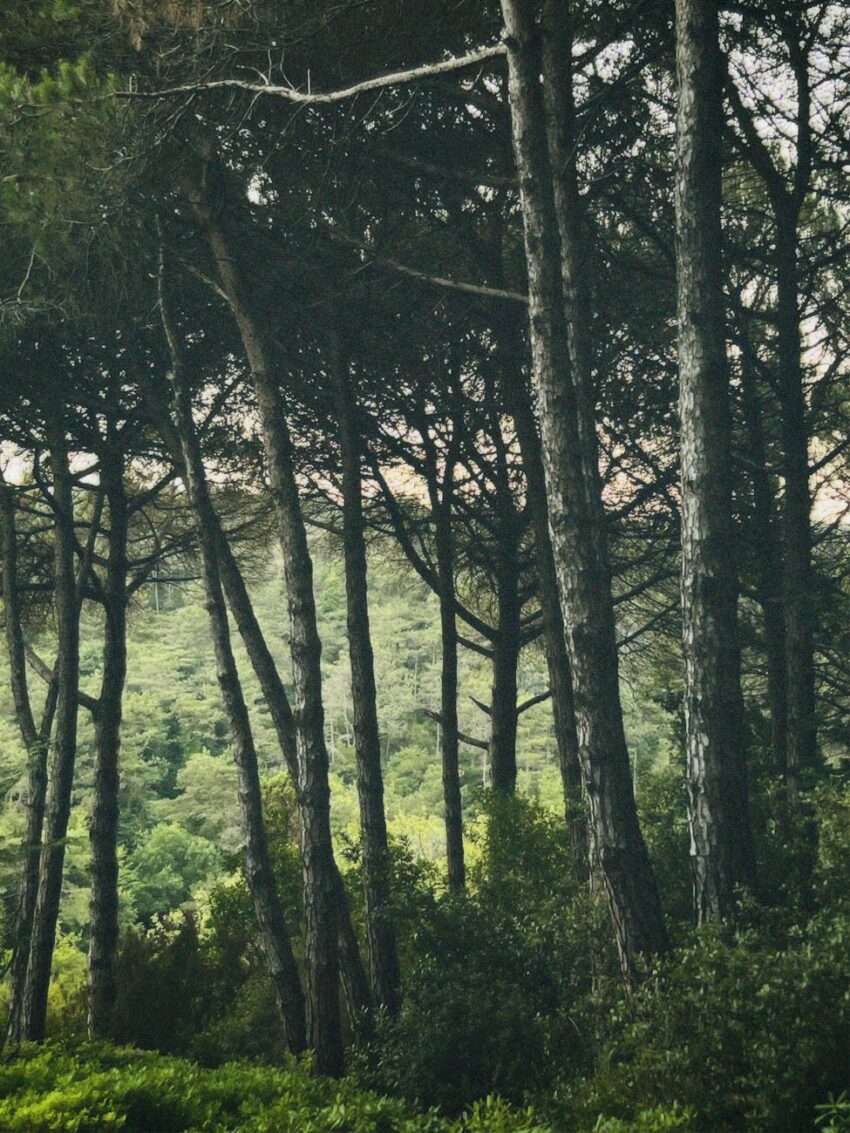
Ever feel like your brain is just… on all the time? Like a browser with way too many tabs open, all demanding your attention? The constant notifications, the endless to-do lists, the low hum of anxiety that seems to be the soundtrack to modern life. I get it. I’ve been there more times than I care to admit, staring blankly at my screen, feeling utterly drained, yet still wired.
For years, my go-to “stress relief” was either an intense gym session or binging a new show. Both fine, in their own way, but neither truly quieted the noise in my head. I was looking for a reset button, something that could genuinely soothe my frazzled nerves and reconnect me with something real. And then, I stumbled upon an idea that sounded a little… well, a little out there at first: forest bathing.
What Even IS Forest Bathing? It’s Not What You Think.
The first time I heard the term “forest bathing,” my mind immediately conjured images of people in swimsuits, perhaps with a loofah, scrubbing themselves down under a waterfall. Thankfully, that’s not it at all! The Japanese term for it is Shinrin-yoku, which literally translates to “taking in the forest atmosphere” or “forest bathing.” But it’s not about getting wet, and it’s definitely not about exercise in the traditional sense.
Here’s the thing: we’re talking about a mindful, sensory immersion in nature. It’s about deliberately slowing down, opening your senses, and connecting with the natural world around you. Think of it as a gentle, guided walk – or sometimes just a seated meditation – in a natural environment, where the goal isn’t to cover distance or burn calories, but to simply be present. It’s a practice, not a hike.
My Own Skeptical Start
I’ll be honest, when a friend first suggested I try it, I was a total skeptic. “Just… walk slowly in the woods? How is that going to help my chronic stress?” I thought. My inner Type A personality was screaming, “But what’s the goal? What’s the metric for success?” What most people miss is that the goal isn’t a tangible outcome you can measure on a Fitbit. The goal is the experience itself, the profound shift in your internal state.
My first attempt wasn’t perfect. I kept checking my watch, my mind wandering back to emails. But I committed to trying again. The next time, I left my phone in the car. I consciously focused on my breath, on the dappled light through the canopy, on the surprisingly intricate patterns of moss on a rock. And that’s when it started to click.
The Science-Backed Serenity: Why It Works
It turns out, there’s some pretty compelling science behind why spending time mindfully in nature feels so good. It’s not just a fuzzy, feel-good idea; our bodies and minds are literally designed to thrive in natural environments.
The Power of Phytoncides
One of the coolest discoveries relates to something called phytoncides. These are airborne chemicals that trees and plants emit to protect themselves from insects and fungi. When we breathe in these compounds, something amazing happens in our bodies:
- Immune System Boost: Studies have shown that exposure to phytoncides can significantly increase the activity of our natural killer (NK) cells – a type of white blood cell that fights off tumors and virus-infected cells. Imagine getting an immune system upgrade just by taking a walk!
- Reduced Stress Hormones: Forest bathing has been linked to lower levels of cortisol, the primary stress hormone. Less cortisol means less of that constant “fight or flight” feeling.
- Lower Blood Pressure and Heart Rate: Many participants in forest bathing studies show a decrease in blood pressure and heart rate, indicating a calmer physiological state.
But it’s not just about phytoncides. The sheer act of disengaging from screens, the gentle exercise, the quiet observation – all contribute to a cascade of positive effects. You’ll notice improved mood, enhanced focus, and often, a deeper, more restful sleep later on.
How to “Bathe” in the Forest (No Soap Required!)
Ready to give it a try? Good! The beauty of forest bathing is its simplicity. You don’t need special equipment or a guru. You just need a willingness to slow down and a patch of nature.
1. Find Your Green Oasis
You don’t need to trek deep into an ancient forest, though if you can, that’s wonderful. A local park, a wooded trail, even a quiet garden can work. The key is to find a place where you feel relatively undisturbed and where nature is the dominant presence. I’ve found even my small backyard, with its buzzing bees and rustling leaves, can offer a mini-reset when I’m short on time.
2. Ditch the Distractions
This is critical. Leave your phone in your pocket or, better yet, in the car. Resist the urge to check emails, take calls, or even snap photos (unless it’s truly part of your mindful observation, but try to limit it). The goal is to be fully present, not to document your experience.
3. Slow Down, Really Slow Down
This is where it differs from a typical walk or run. Move at a pace that feels almost meditative. Pause often. Find a comfortable spot to sit for a while. There’s no destination, no mileage goal.
4. Engage ALL Your Senses
This is the heart of Shinrin-yoku. Move beyond just seeing, and truly experience the environment:
- Sight: Notice the intricate patterns of bark, the way light filters through leaves, the vibrant green of moss, the delicate structure of a spiderweb.
- Sound: Listen to the rustle of leaves, the chirping of birds, the distant hum of insects, the gentle sigh of the wind.
- Smell: Inhale the earthy scent of damp soil, the fresh aroma of pine needles, the sweet perfume of wildflowers.
- Touch: Feel the rough texture of a tree trunk, the coolness of a smooth stone, the softness of moss under your fingers (or feet, if you’re brave enough to go barefoot!).
- Taste (Figuratively): Notice the freshness of the air, the clean taste on your tongue.
I remember one specific session where I spent twenty minutes just watching a single ant colony at work. The intricate dance, the focused determination – it was mesmerizing and incredibly grounding. My mind completely cleared.
5. Be Open, Be Curious
There’s no right or wrong way to feel. Just observe what arises within you. Are you feeling peaceful? Curious? A little restless? Acknowledge it without judgment. Let the natural world be your guide.
More Than Just a Walk: Lasting Rejuvenation
The truth is, forest bathing isn’t a one-time cure-all. It’s a practice. But even a single session can offer profound relief. Over time, regular immersion in nature can lead to lasting benefits. I’ve found it’s helped me with my sleep, reduced my baseline anxiety, and even sparked new creative ideas. It’s like hitting a reset button for my entire nervous system.
Look, our modern lives are demanding. We’re constantly bombarded with stimuli, and it’s easy to lose touch with the simple rhythms of the natural world. Forest bathing isn’t just about escaping; it’s about reconnecting. It’s about remembering that we are part of something much larger, much older, and infinitely more calming than our daily stresses. I truly believe it’s one of the most accessible and powerful tools we have for our mental and physical well-being. So, go on. Find your patch of green, slow down, and breathe it all in. Your mind and body will thank you.
Forest Bathing FAQ
Q1: Do I need a dense forest to practice forest bathing?
Absolutely not! While a deep forest is wonderful, any natural environment where you can feel a sense of calm and connection will work. This could be a city park with mature trees, a botanical garden, a quiet walking trail, or even your own backyard if it has enough greenery. The key is the intention to immerse your senses, not the specific size or wildness of the location.
Q2: How long should a forest bathing session be?
There’s no strict rule, but most guided forest bathing sessions last between 2-3 hours to allow ample time for slowing down and deep sensory engagement. However, even 20-30 minutes of intentional, mindful time in nature can provide benefits. The important thing is to give yourself enough time to truly disengage from your everyday pace and allow your senses to awaken.
Q3: Is it okay to bring my phone for photos?
While the primary goal is to disconnect, if taking a few mindful photos helps you observe details and deepen your connection, it’s generally fine. However, I’d strongly suggest putting your phone on silent and only using it sparingly and intentionally. Avoid checking notifications or scrolling through other apps. The best practice is often to leave the phone behind entirely, allowing for a completely distraction-free experience.
Q4: Can I do forest bathing with friends or family?
You can, but it’s important that everyone understands the purpose is not a social outing or conversation. The idea is to experience nature individually and mindfully. If you go with others, agree to walk in silence for periods, take separate sensory invitations, and minimize talking. Many people find a solo experience allows for deeper personal reflection, but a quiet, shared experience can also be powerful.
Q5: What if I don’t have access to much nature where I live?
Don’t despair! Even small pockets of green can offer a valuable experience. Look for a tree-lined street, a community garden, or even a houseplant you can focus on. You can also bring nature indoors by listening to nature sounds, looking at photos of natural landscapes, or even just mindfully observing the clouds or the wind through your window. While not as potent as direct immersion, these practices can still offer a calming respite.