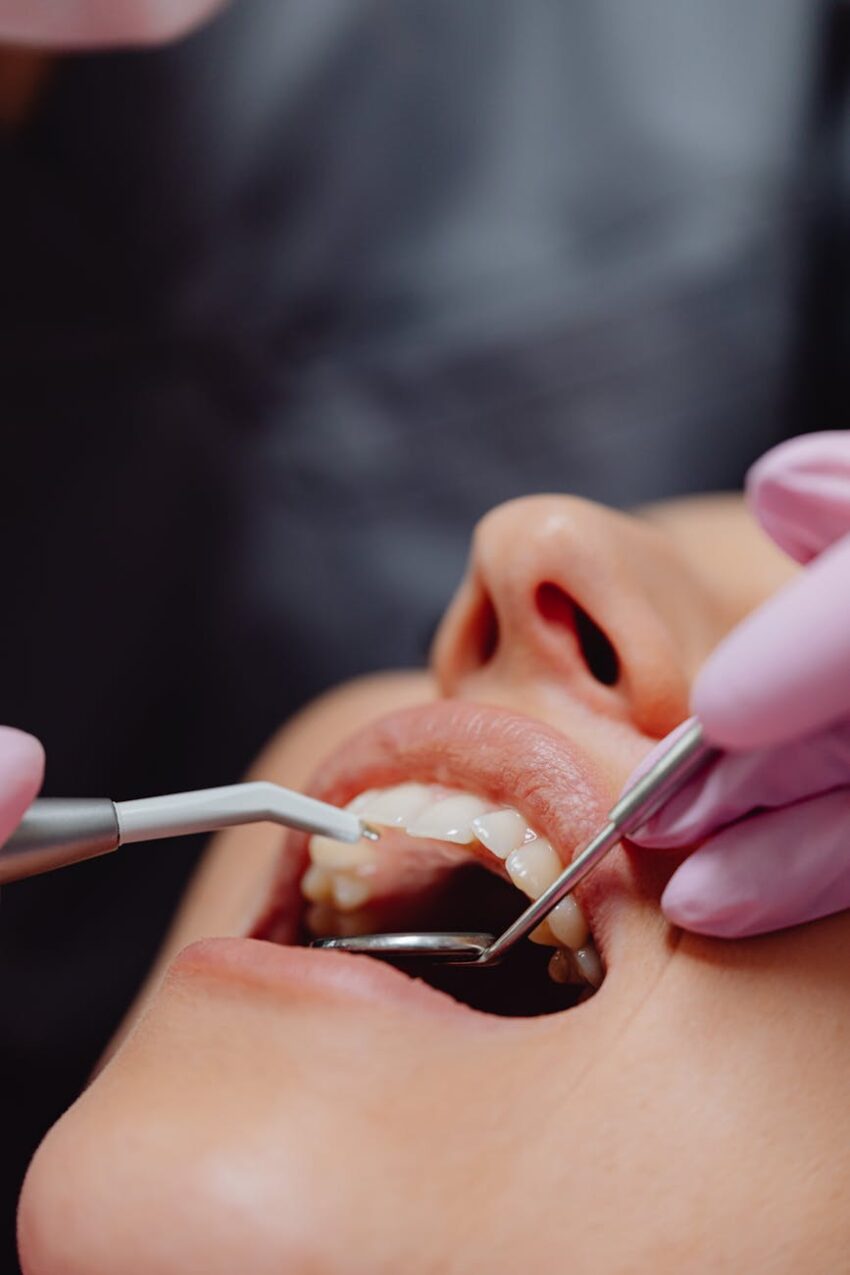
You brush your teeth twice a day, maybe floss when you remember, and hit the dentist for your annual cleaning. Good for you! You’re doing the basics, and that’s a solid start. But what if I told you there’s a secret world thriving in your mouth, an entire universe of microscopic life, that holds far more sway over your overall health than you might ever imagine? We’re talking about the oral microbiome, and trust me, it’s a lot more than just a collection of “germs.”
For years, the dental world focused almost exclusively on eradicating bad bacteria – the culprits behind cavities and gum disease. Kill the bad guys, keep the good guys in check, right? Well, that approach was a bit like trying to solve traffic problems by just removing all the cars. It’s far too simplistic. What we’ve learned, and what I’ve seen in my years of experience, is that it’s all about balance, diversity, and creating an environment where the beneficial bacteria can thrive.
Here’s the thing: your mouth isn’t just a gateway for food; it’s a bustling ecosystem, a highly specialized habitat for hundreds of different species of bacteria, fungi, viruses, and protozoa. Some are friendly, some are less so, but all are interconnected. When this delicate balance gets thrown off, that’s when trouble starts brewing, not just in your mouth, but potentially throughout your entire body.
Your Mouth: A Mirror to Your Health
Think of your oral microbiome as the first line of defense, or sometimes, the first point of compromise. It’s intimately connected to your gut microbiome, and frankly, to every other system in your body. When things go awry in your mouth – say, with chronic gum inflammation or an overgrowth of harmful bacteria – those issues don’t just stay put. They’ve got a direct highway to your bloodstream and beyond.
What most people miss is that brushing alone, while crucial, isn’t enough to manage this complex ecosystem. It’s like trying to maintain a rainforest with just a watering can. You need a holistic approach, understanding that your oral health is inextricably linked to your systemic health. Let me tell you, once you start seeing these connections, you won’t look at your daily brushing routine the same way again.
The Inflammation Superhighway: From Gums to Organs
This is where it gets really interesting, and frankly, a bit concerning if you’ve been neglecting your oral care. Chronic gum disease, specifically periodontitis, isn’t just about bleeding gums and loose teeth. It’s a state of chronic inflammation. And inflammation, my friends, is the root cause of so many modern diseases.
When your gums are inflamed, the barrier between your mouth and your bloodstream becomes compromised. Think of it like a leaky fence. Harmful bacteria, along with inflammatory byproducts, can easily slip into your bloodstream and travel throughout your body. They don’t just hang out; they set up shop, contributing to inflammation in other tissues and organs. That’s a pretty powerful journey for something that starts in your mouth, isn’t it?
Unveiling the Systemic Secrets: What Your Mouth Says About Your Body
It’s not just a theoretical link; we’ve got solid evidence pointing to some serious connections. These aren’t just isolated conditions; they’re often talking to each other, and your oral microbiome is frequently a key messenger.
Heart Disease and Stroke
This is probably one of the most well-established links. The same bacteria found in gum disease, like Porphyromonas gingivalis, have been identified in the arterial plaque of heart disease patients. The chronic inflammation stemming from your gums can contribute to atherosclerosis – the hardening and narrowing of arteries – significantly increasing your risk of heart attacks and strokes. It makes you wonder how many heart issues could be mitigated with better oral care, doesn’t it?
Diabetes
The relationship between diabetes and gum disease is a two-way street. People with diabetes are more susceptible to severe gum disease because high blood sugar levels weaken the immune system and impair healing. But here’s the kicker: gum disease can also make it harder to control blood sugar levels. It’s a vicious cycle, and managing one often helps manage the other. I’ve seen patients make significant strides in their diabetes management simply by getting their oral health under control.
Alzheimer’s Disease and Cognitive Decline
Now, this is an area of rapidly emerging research that truly fascinates me. Studies are increasingly finding a connection between oral bacteria, particularly P. gingivalis, and Alzheimer’s disease. This specific bacterium has been found in the brains of Alzheimer’s patients, and it’s thought to contribute to the formation of amyloid plaques, a hallmark of the disease. While more research is needed, it’s a powerful reminder that what happens in your mouth might literally affect your brain decades later.
Pregnancy Complications
For expectant mothers, maintaining excellent oral hygiene is absolutely critical. Chronic gum inflammation has been linked to adverse pregnancy outcomes, including preterm birth and low birth weight. The inflammatory response and bacterial toxins can cross the placental barrier, affecting the developing fetus. It’s a compelling reason to prioritize dental check-ups throughout pregnancy.
Gut Health and Digestive Issues
Since your mouth is the very beginning of your digestive tract, it makes perfect sense that oral health impacts gut health. An imbalanced oral microbiome can lead to dysbiosis further down the line. If you’re constantly swallowing harmful bacteria from an unhealthy mouth, you’re essentially seeding your gut with potential trouble. Many people struggling with digestive issues are starting to look upstream, and for good reason.
Signs Your Oral Microbiome Needs a Tune-Up
How do you know if your oral ecosystem is out of whack? It’s not always obvious, but there are some common indicators:
- Persistent Bad Breath (Halitosis): Not just morning breath, but a chronic issue.
- Bleeding Gums: Even a tiny bit when you brush or floss is a red flag.
- Frequent Cavities: Despite regular brushing, you keep getting new ones.
- Gum Recession: Your teeth look longer, or you notice sensitivity at the gum line.
- Recurring Mouth Sores or Infections: Your oral defenses might be down.
- Metallic Taste in Your Mouth: Can be a sign of bacterial overgrowth.
If any of these sound familiar, it’s definitely time to pay closer attention.
Nurturing Your Oral Ecosystem: Beyond Brushing
The good news is that you have a tremendous amount of power to influence your oral microbiome for the better. It’s not about sterilizing your mouth; it’s about cultivation. Here’s how I suggest you approach it:
- Brush Smart, Not Just Hard: Use a soft-bristled brush, an electric one if you prefer, and focus on gentle, thorough cleaning for two minutes, twice a day. Angle the brush at 45 degrees to your gum line.
- Floss, Floss, Floss: I know, I know. But seriously, flossing removes plaque and food particles that your toothbrush can’t reach, especially between teeth and under the gum line. This is non-negotiable for gum health. If you hate traditional floss, try water flossers or interdental brushes.
- Scrape Your Tongue: A lot of bacteria hang out on your tongue. A tongue scraper (not just your toothbrush) can make a huge difference in reducing bacterial load and improving breath.
- Rethink Your Diet: This is huge. Reduce processed foods, refined sugars, and excessive simple carbs. These feed the harmful bacteria. Focus on whole foods, plenty of fiber, leafy greens, and healthy fats. Some fermented foods can also introduce beneficial bacteria.
- Hydrate Like Your Life Depends On It: Saliva is your mouth’s natural defense system. It washes away food particles, neutralizes acids, and contains beneficial enzymes. Dry mouth is a microbiome killer. Drink plenty of water throughout the day.
- Choose Mouthwash Wisely: Many conventional mouthwashes are alcohol-based and indiscriminately kill *all* bacteria, good and bad, disrupting your delicate balance. If you use one, opt for alcohol-free, natural options, or even just saltwater rinses.
- Regular Dental Check-ups: Your dentist and hygienist are your partners in this. They can remove hardened plaque (tartar) that you can’t get with brushing and flossing, and spot potential issues before they escalate. Don’t skip these!
The truth is, embracing this holistic view of oral health isn’t just about preventing cavities or freshening breath. It’s about protecting your heart, nurturing your brain, stabilizing your blood sugar, and supporting your overall vitality. Your mouth is truly the gateway to your health, and treating it with the respect it deserves can unlock profound benefits for your entire body. So, next time you reach for that toothbrush, remember the incredible universe you’re caring for.
Frequently Asked Questions About Your Oral Microbiome
Q1: Can oral probiotics help balance my oral microbiome?
A: Yes, oral probiotics show promise! Just like gut probiotics, they introduce beneficial bacteria that can help crowd out harmful strains and restore balance. Look for strains like Streptococcus salivarius K12 and M18. They’re not a magic bullet, but they can be a helpful addition to a comprehensive oral hygiene routine.
Q2: Are all mouthwashes bad for my oral microbiome?
A: Not necessarily all, but many common ones are. Alcohol-based mouthwashes can be very disruptive because they kill both good and bad bacteria indiscriminately, leading to an imbalance. They can also dry out your mouth. I generally recommend avoiding them for daily use. If you feel the need for a rinse, consider an alcohol-free option or a simple saltwater rinse, which is a gentle antiseptic.
Q3: How often should I see a dentist if my oral health seems fine?
A: Even if you feel your oral health is great, I still recommend seeing your dentist and hygienist at least once a year, and ideally every six months. They can spot subtle signs of trouble you might miss, remove hardened plaque (calculus) that brushing can’t touch, and provide professional cleaning that keeps your microbiome in check and your gums healthy. Prevention is always easier (and cheaper!) than treatment.
Q4: What’s the single most important thing I can do for my oral microbiome?
A: If I had to pick just one, it would be consistent and effective flossing (or interdental cleaning). Brushing gets the surfaces, but flossing removes the plaque and food particles from between your teeth and under your gum line, where harmful bacteria love to hide and cause inflammation. It’s the unsung hero of oral health.
Q5: Does diet *really* make a big difference for my oral microbiome?
A: Absolutely, it makes a huge difference! Your diet directly feeds the bacteria in your mouth. Sugary and highly processed foods provide an easy feast for acid-producing bacteria that cause cavities and inflammation. A diet rich in whole foods, fresh fruits, vegetables, and healthy fats helps to starve the bad guys and nourish the good ones, promoting a more balanced and resilient oral ecosystem.