Ever walked into a freshly cleaned room and felt a tickle in your throat, or maybe that tell-tale headache start to creep in? Or perhaps you’ve noticed your kids reacting to something in their environment, but you just can’t put your finger on what it is. Look, for years, I shrugged off these little signals, chalking them up to allergies or just “one of those days.” But what if those subtle cues were actually your body whispering (or sometimes shouting!) that something in your home environment wasn’t quite right?
The truth is, our homes, the very places we seek refuge and comfort, can sometimes harbor a silent army of hidden toxins. We’re talking about chemicals in our cleaning supplies, our furniture, even the air we breathe indoors. It’s a topic that can feel overwhelming, I know. When I first started digging into this, I felt like I needed a hazmat suit just to do laundry! But here’s the thing: you don’t need to overhaul your entire life overnight. Small, deliberate changes can make a monumental difference. And trust me, once you start, you’ll actually *feel* the difference.
Why Should You Even Care About Hidden Toxins?
I get it. Life is busy. Adding “toxic chemical detective” to your already overflowing to-do list might seem like a bridge too far. But consider this: we spend a significant portion of our lives indoors. The air inside our homes can often be two to five times more polluted than the air outside, sometimes even 100 times more polluted. That’s a pretty startling statistic, isn’t it?
Our bodies are incredibly resilient, but they’re not invincible. Constant, low-level exposure to certain chemicals can contribute to a whole host of issues over time. We’re talking about things like respiratory problems, skin irritations, hormone disruption, and even more serious long-term health challenges. For me, the wake-up call came when my youngest started having persistent eczema flare-ups. We tried everything – special soaps, different detergents, dietary changes. It wasn’t until I started looking at our home environment that I realized the scented laundry detergent I loved might be part of the problem. What most people miss is that these aren’t just isolated incidents; it’s the cumulative effect that truly matters.
Common Culprits Lurking in Your Home
So, where are these hidden nasties hiding? You might be surprised. They’re often in the most innocuous-looking places. I’ve found that knowing *what* to look for is half the battle.
Cleaning Products: The Scent of Danger?
Ah, the “fresh scent” of a clean home. For years, I equated that strong, perfumed smell with sparkling cleanliness. Now, I know better. Many conventional cleaning products contain a cocktail of volatile organic compounds (VOCs), phthalates, ammonia, and chlorine bleach. These can irritate your lungs, trigger asthma attacks, and contribute to indoor air pollution.
- Phthalates: Often hidden under the generic term “fragrance,” these can disrupt hormones.
- VOCs (Volatile Organic Compounds): Released as gases from various products, including cleaners, paints, and air fresheners. Think formaldehyde, benzene, and toluene.
- Ammonia & Bleach: Strong irritants that can be particularly dangerous when mixed.
I remember one time I was scrubbing the bathroom with a popular bleach cleaner, and I felt so lightheaded I had to sit down. That was a big “aha!” moment for me. My body was literally screaming for me to stop.
Personal Care Products: More Than Skin Deep
From shampoos and conditioners to lotions and makeup, our daily routines often involve slathering ourselves with products that contain questionable ingredients. Parabens, sulfates, and again, “fragrance” are common offenders. Our skin is our largest organ, and it absorbs what we put on it. It’s not just sitting on the surface!
Furniture, Flooring, and Building Materials: A Chemical Cocktail
Remember that “new car smell”? Or the distinct odor of new furniture? That’s often off-gassing, and it’s not always a good thing. Many furniture items, especially those with foam, are treated with flame retardants, which have been linked to developmental and reproductive problems. Vinyl flooring can contain phthalates. Even paints can release VOCs for months, sometimes years, after application. When we bought our last couch, I made sure to ask about flame retardants – something I never would have considered a decade ago.
Plastics: Everywhere, and Often Problematic
Plastic food containers, water bottles, shower curtains – plastics are ubiquitous. But some plastics, particularly those containing BPA (Bisphenol A) and certain phthalates, can leach into our food and drinks, especially when heated. These chemicals are known endocrine disruptors, meaning they can mess with your hormones.
Simple Swaps for a Safer Sanctuary
Feeling a bit overwhelmed? Don’t be! The good news is that making changes doesn’t have to be drastic or expensive. It’s about being mindful and making informed choices, one step at a time. I always tell people to start with what they use most frequently or what bothers them the most.
Embrace DIY Cleaning
This is probably the easiest and most impactful switch you can make. You can clean almost your entire house with a few simple, non-toxic ingredients. Here are my go-to’s:
- White Vinegar: A fantastic disinfectant and deodorizer. Mix it 1:1 with water for an all-purpose cleaner.
- Baking Soda: Great for scrubbing, absorbing odors, and polishing. I use it to clean my sinks and bathtubs.
- Lemon Juice: A natural whitener and adds a fresh, clean scent.
- Castile Soap: A versatile, concentrated soap made from vegetable oils.
I keep a spray bottle of diluted vinegar and a shaker of baking soda under my sink. It’s simple, it’s cheap, and frankly, it works just as well, if not better, than anything I used to buy.
Scrutinize Personal Care Labels
Become a label reader! Look for products that are “fragrance-free” (not just “unscented,” which can still contain masking fragrances). Opt for brands that are transparent about their ingredients and avoid parabens, sulfates, and phthalates. There are so many fantastic clean beauty and personal care brands out there now that it’s easier than ever to make the switch.
Make Mindful Purchasing Choices
When buying new furniture, ask about flame retardants and choose items made from natural materials like solid wood, organic cotton, or natural latex. For flooring, consider hardwood, cork, or ceramic tiles over vinyl. When painting, opt for low-VOC or zero-VOC paints. It might cost a tiny bit more upfront, but the long-term health benefits are priceless.
Reduce Plastic Use
Swap plastic food storage containers for glass or stainless steel. Use reusable water bottles and coffee cups made from safer materials. Ditch plastic wrap for beeswax wraps or silicone lids. Small changes here add up quickly.
Don’t Forget the Air You Breathe
Even if you’re meticulous about cleaning products, indoor air quality can still be an issue. Dust, pet dander, mold spores, and off-gassing from various items can all impact the air you’re breathing.
Ventilation is Your Friend
The simplest and cheapest way to improve indoor air quality? Open your windows! Even for 10-15 minutes a day, especially after cleaning or cooking, can significantly reduce indoor pollutants. I try to do this daily, even in the winter, and I can genuinely feel the difference.
Dust and Vacuum Regularly
Many toxins, including flame retardants and pesticides, settle in household dust. Regular dusting with a damp cloth and vacuuming with a HEPA filter can drastically reduce your exposure. I used to hate dusting, but now I think of it as literally cleaning toxins out of my home, and it feels much more empowering!
Consider Air Purifiers and Plants
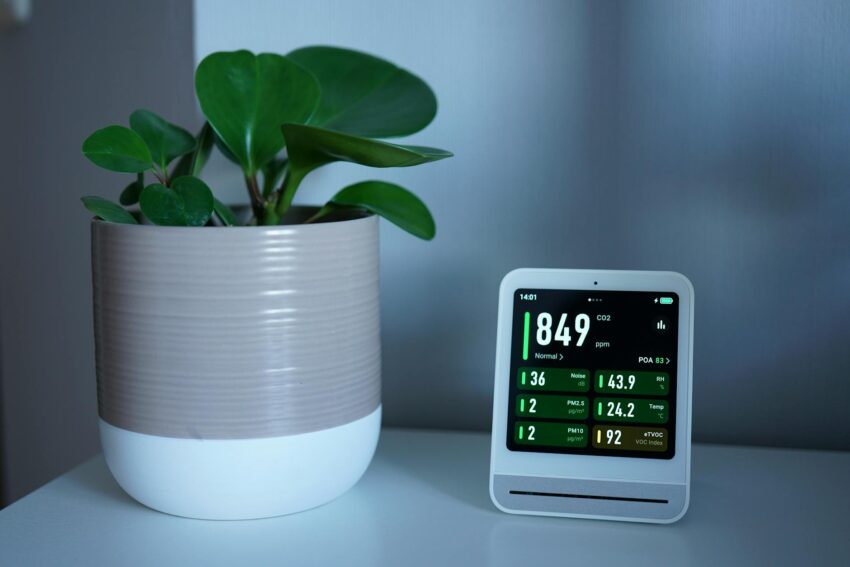
While not a magic bullet, a good air purifier with a HEPA filter can help remove airborne particles, allergens, and some VOCs. Houseplants like spider plants, peace lilies, and snake plants can also help filter certain toxins from the air, plus they look great!
A Healthier Home: It’s a Journey, Not a Race
Look, transforming your home into a completely toxin-free zone probably isn’t realistic for most of us, and that’s okay. The goal isn’t perfection; it’s progress. It’s about becoming more aware, making better choices where you can, and reducing your overall exposure. Don’t feel like you have to purge everything all at once. Start with one room, one category, or one product you use every single day. The impact of these small, consistent steps will surprise you. You’ll likely notice better sleep, clearer skin, fewer headaches, and just an overall sense of well-being. And isn’t that what a home is really all about?
Frequently Asked Questions
Q1: Is it really necessary to replace all my cleaning products?
A: Not all at once! I recommend starting with the products you use most frequently, like all-purpose cleaner or dish soap. Once those are swapped out for non-toxic alternatives (or DIY versions), you can gradually replace others as they run out. It’s about making sustainable changes, not creating waste.
Q2: What’s the most important first step I can take to reduce toxins?
A: In my experience, focusing on improving indoor air quality is huge. That means ventilating regularly (opening windows), dusting with a damp cloth, and vacuuming with a HEPA filter. After that, swapping out scented cleaning products for simple DIY solutions or truly fragrance-free options makes a big difference.
Q3: Are “natural” products always safer?
A: Unfortunately, no. The term “natural” isn’t regulated, so some products labeled “natural” can still contain problematic ingredients or allergens. It’s crucial to read ingredient labels, look for third-party certifications (like EWG Verified or Green Seal), and choose brands that are transparent about what’s in their products.
Q4: How can I check if my furniture or mattress is toxic?
A: When buying new, ask manufacturers specifically about flame retardants (PBDEs are a big one to avoid) and VOCs. Look for certifications like GOTS (Global Organic Textile Standard) for organic cotton mattresses or GREENGUARD for low chemical emissions in furniture. For existing items, if you notice a strong chemical smell, try to air them out in a well-ventilated area, and consider using mattress protectors that create a barrier.
Q5: I have young children/pets. Are there specific toxins I should prioritize eliminating?
A: Absolutely! Children and pets are often more vulnerable due to their smaller size, developing systems, and tendency to spend more time on floors or putting things in their mouths. Prioritize eliminating lead (especially in older homes), pesticides, phthalates (common in plastics, vinyl, and fragrances), and flame retardants. Focus on cleaning products, toys, and anything they might chew on or interact with directly.