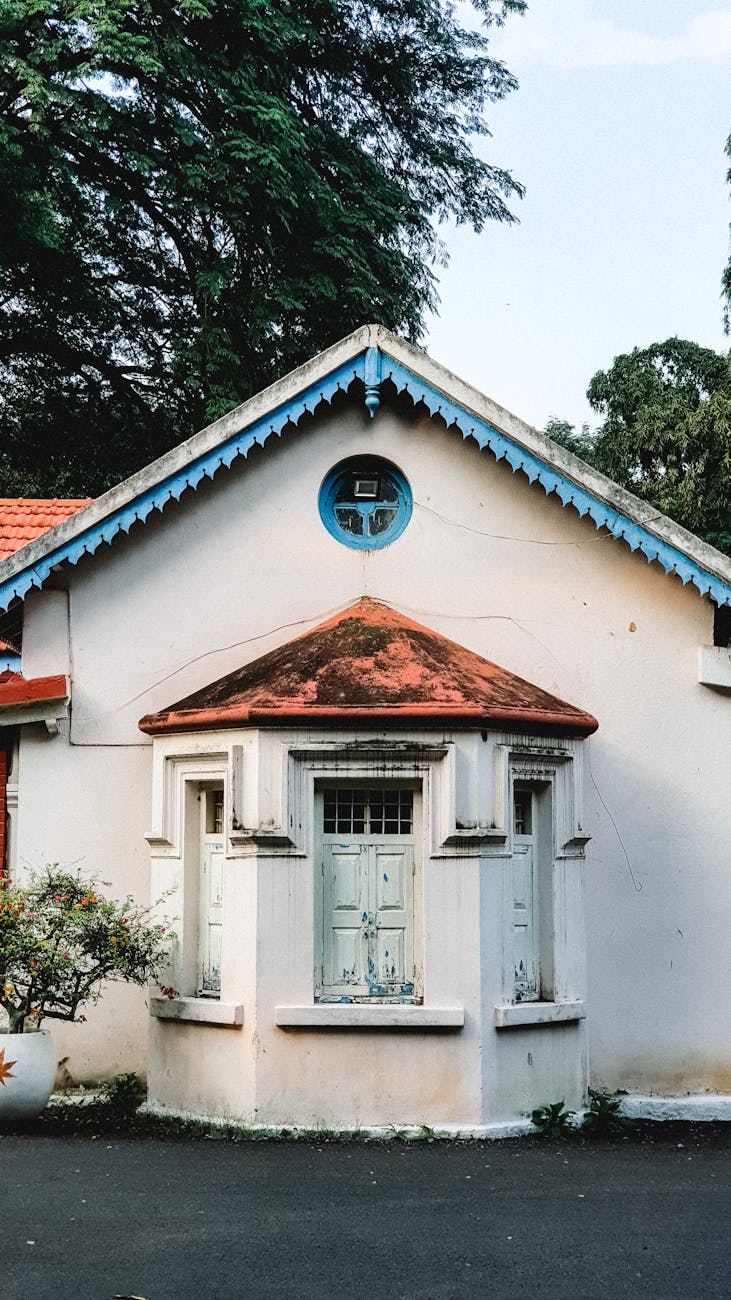
Ever walked into a vintage home, felt its history whisper around you, and thought, “This is it! This place has a soul”? I know I have. There’s just something undeniably special about a home that’s stood the test of time, isn’t there? The craftsmanship, the unique details, the stories embedded in every floorboard – they’re all part of its undeniable charm. But here’s the thing: while you might adore those quirks and character, selling a vintage home to today’s buyer can sometimes feel like trying to explain the magic of a flip phone to a teenager with the latest smartphone. They might appreciate it in theory, but they’re often looking for something entirely different.
The truth is, many modern buyers are drawn to new construction or fully renovated, open-concept spaces with all the bells and whistles. They want move-in ready, low maintenance, and a certain sleek aesthetic. So, how do you bridge that gap? How do you make your beautiful, character-filled vintage home sing to a buyer who might be more accustomed to granite countertops and stainless steel? It’s absolutely possible, and I’ve seen it happen countless times. It just requires a strategic approach – one that highlights the very charm you love, while subtly addressing modern expectations.
Understanding Your Buyer’s Mindset
Look, when someone’s buying a home, it’s rarely just about four walls and a roof. It’s about a lifestyle, a feeling, a dream. For a vintage home, that dream often revolves around nostalgia, quality, and a unique identity. What most people miss is that your buyer isn’t necessarily looking for perfection; they’re looking for potential and peace of mind. They want to envision their life unfolding there, and if they’re drawn to vintage, they already appreciate history.
However, even the most ardent vintage lover doesn’t want to buy a money pit or a project that will consume their weekends for years. They’ll appreciate the original built-ins, the solid wood doors, and the intricate trim work. They won’t appreciate outdated wiring, a leaky roof, or a kitchen that feels like it’s from another century in all the wrong ways. Our job, as sellers, is to show them the beauty without the burden.
The Art of Strategic Updates: Where to Invest
I always tell my clients, selling a vintage home isn’t about erasing its past; it’s about making its past shine for the future. And that often means some smart, targeted updates.
Kitchens and Bathrooms: The Big Impact
These are the areas that truly sell homes. I once had a client with a gorgeous 1940s home. Original hardwood floors, beautiful archways, but the kitchen was straight out of a time capsule – dark, cramped, with laminate counters and appliances from the 80s. She was hesitant to touch it, fearing she’d lose the home’s soul. My advice? Don’t gut it if you don’t have to, but definitely *refresh* it. We kept the original footprint, repainted the existing solid wood cabinets a crisp white, added new countertops that mimicked marble but were more durable, updated the sink and faucet, and brought in some period-appropriate lighting. The difference was phenomenal. It still felt like a vintage kitchen, but it was bright, functional, and inviting. Buyers saw character, not a chore.
The same goes for bathrooms. You don’t always need to rip out that beautiful mosaic tile floor if it’s in good shape! But new fixtures, a fresh coat of paint, updated lighting, and a sparkling clean vanity can make a world of difference. Think about what makes a space feel clean, functional, and aesthetically pleasing, even if it retains its vintage roots.
Mechanicals: The Unsexy Essentials
This is where peace of mind comes in. Nobody wants to buy a headache, and things like ancient electrical systems, original plumbing that’s seen better days, or an HVAC system on its last legs can be major red flags. If you’ve recently updated your furnace, water heater, or electrical panel, make sure that’s highlighted. If you haven’t, consider getting a pre-inspection. Knowing the condition of these vital systems and addressing any major issues proactively can prevent last-minute deal breakers and give buyers confidence.
Curb Appeal and First Impressions
Before a buyer even steps foot inside, they’re judging your home. That first impression is absolutely critical, especially for a vintage property. A charming home can look neglected if the garden is overgrown or the paint is peeling. Invest in fresh landscaping, maybe a new coat of paint on the front door, clean windows, and a tidy front yard. Consider pressure washing the exterior. These relatively low-cost efforts scream, “This home is loved and well-maintained!”
Highlighting the Irresistible Charm
Now, let’s talk about the fun part: showcasing what makes your vintage home utterly unique.
Tell a Story, Don’t Just List Features
Those original built-in bookshelves? Don’t just list them; talk about curling up with a book there on a rainy afternoon. The intricate crown molding? Point out the craftsmanship that you just don’t find in new homes. The hardwood floors? Emphasize their enduring quality and warmth. I’ve found that when you give buyers a narrative, they connect on an emotional level. Your marketing materials, agent’s description, and even your own conversations with potential buyers should paint a picture of living in your home.
Think about the unique architectural details: the charming front porch, the transom windows, the detailed fireplace mantle, the generous room sizes, the solid feel of the structure. These aren’t just features; they’re testaments to a different era of building – an era of quality and thoughtful design that is rare today.
Staging for Success: A Nod to the Past, an Eye on the Future
Staging is paramount for vintage homes. Declutter, declutter, declutter! While you love your collection of antique porcelain dolls, a buyer might see them as dust collectors. You want spaces to feel open, bright, and airy. Use neutral paint colors to brighten rooms and allow the architectural details to stand out. Then, incorporate a few tasteful vintage pieces that complement the home’s era, mixed with modern, comfortable furniture. This shows buyers that yes, it’s a vintage home, but it lives beautifully in the present.
A good stager knows how to highlight the best features – perhaps a cozy reading nook by a window, or a grand dining room perfect for entertaining. They can help buyers envision their own lives there, rather than being distracted by your personal belongings.
Pricing Your Piece of History
This can be tricky. It’s easy to get emotionally attached to the “story” and overprice. While your home has incredible character, the market often values square footage, modern amenities, and recent updates. You can’t just compare your unique 1920s craftsman to a cookie-cutter new build down the street. It’s like comparing apples and oranges. Your agent should be looking at comparable sales of *other vintage homes* in your area that have been thoughtfully updated or well-maintained. Be realistic. The charm adds value, but it needs to be understood within the context of the current market.
Finding the Right Agent
This isn’t a job for just any real estate agent. You need someone who truly understands and appreciates vintage homes. Someone who can articulate the value of solid plaster walls over drywall, or the enduring beauty of original gumwood trim. An agent who can tell the story of your home, not just read off a spec sheet. Ask potential agents about their experience selling similar properties and how they plan to market your home’s unique selling propositions. A passionate agent makes all the difference.
Selling a vintage home is a unique journey. It’s about finding the right balance between honoring its past and preparing it for its future. With a little strategic planning, smart updates, and a whole lot of love for its inherent charm, you won’t just sell a house; you’ll pass on a piece of history to someone who will cherish it just as much as you have.
Frequently Asked Questions About Selling a Vintage Home
Should I totally modernize my vintage home before selling?
Generally, no. The charm of a vintage home lies in its unique character and historical details. While strategic updates to kitchens, bathrooms, and mechanicals are often wise, a full modernization can strip the home of its soul and might not provide the best return on investment. Focus on making spaces feel clean, functional, and inviting while preserving original features where possible.
What if my vintage home has a quirky layout?
Many vintage homes have layouts that differ from today’s open-concept designs. Instead of trying to force a change, highlight how the layout creates distinct, cozy zones. Stage each room to clearly define its purpose – a formal dining room, a dedicated home office, a quiet reading nook. Buyers who appreciate vintage homes often appreciate these unique spaces.
How do I deal with potential buyer concerns about maintenance?
Transparency is key. Provide records of major repairs, system upgrades (HVAC, electrical, plumbing), and regular maintenance. Consider getting a pre-listing inspection so you can address any significant issues proactively or at least be prepared to discuss them. Showing a well-maintained home instills confidence in buyers.
Is it okay to leave some original “quirks” or should everything be perfect?
Absolutely! Part of the appeal of a vintage home is its unique quirks and imperfections. A slight creak in the floorboards, an antique glass doorknob, or a charming built-in with a little wear can add to its character. The goal isn’t sterile perfection, but rather a home that feels loved, well-cared for, and ready for its next chapter.
What’s the single most important thing to do when selling a vintage home?
Without a doubt, it’s telling its story. Don’t just list features; talk about the craftsmanship, the history, the unique details that make it special. Help buyers envision their lives there and fall in love with its soul. An emotional connection often trumps minor imperfections for the right buyer.