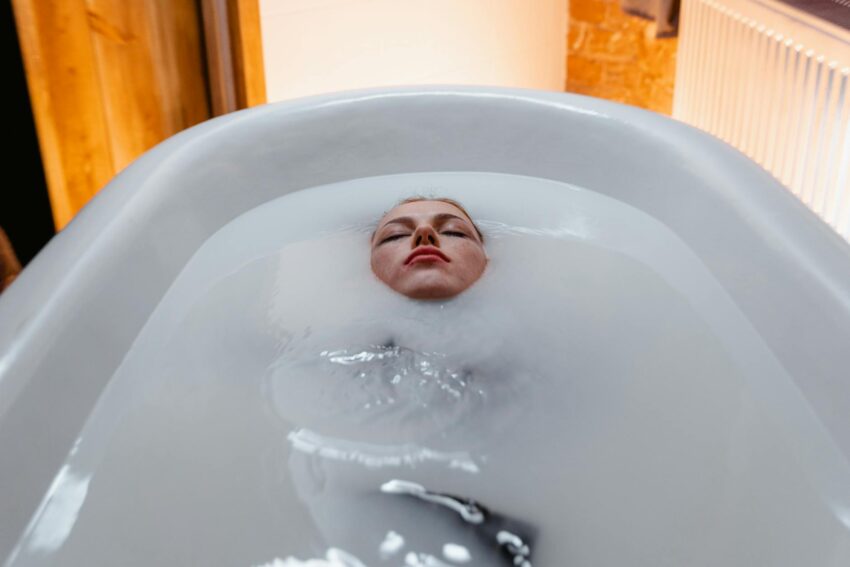
Ever woken up feeling a bit… fuzzy? Sluggish, low on energy, dreading the day ahead? We’ve all been there. We reach for coffee, hit snooze one last time, or just push through, hoping for a spark that often never comes. But what if I told you there’s a surprisingly simple, ancient practice that can not only jolt you awake but fundamentally transform your energy, your mood, and your body’s ability to handle stress? I’m talking about cold exposure, and believe me, it’s far more than just a TikTok trend.
For years, I was like most people – the idea of a cold shower, let alone an ice bath, sent shivers down my spine (and not the good kind). My morning routine involved a steaming hot shower, a ritual of comfort. Then, I started hearing whispers, reading articles, seeing people I respected talking about the profound benefits of intentionally exposing themselves to cold. Skeptical? Absolutely. Intrigued? Enough to give it a try. And honestly, it’s one of the best decisions I’ve ever made for my health and well-being. It’s not just about enduring discomfort; it’s about unlocking a deep, primal resilience within you.
Beyond the Shiver: What Cold Does to Your Body
Look, I get it. The first thought is often, “Why would anyone *choose* to be cold?” The truth is, our bodies are incredible machines, designed to adapt and thrive, and a little bit of controlled stress can actually make them stronger. When you plunge into cold water, a cascade of physiological responses kicks in, and they’re all working in your favor.
Activating Your Inner Furnace: Brown Fat
One of the coolest things (pun intended) cold exposure does is activate your brown adipose tissue (BAT), or brown fat. Unlike white fat, which stores energy, brown fat generates heat by burning calories. Think of it as your body’s internal furnace. Regular cold exposure essentially trains your body to produce more brown fat and become more efficient at thermogenesis. For me, I’ve noticed a definite shift in how I regulate my body temperature throughout the day – I feel less sensitive to drafts and generally warmer in cooler environments than I used to.
The Hormetic Effect: What Doesn’t Kill You…
What most people miss is that cold exposure is a form of hormetic stress. Hormesis is a biological phenomenon where a low dose of an agent that is typically harmful at higher doses actually induces an adaptive beneficial response. Like exercise, which stresses your muscles to make them grow stronger, cold exposure stresses your body in a beneficial way. It kickstarts cellular repair mechanisms, reduces inflammation, and generally makes your body more robust and resilient against future stressors.
A Natural Dopamine & Norepinephrine Boost
Here’s the thing: that initial shock you feel? It’s not just physical. Cold exposure triggers a massive release of neurotransmitters like dopamine and norepinephrine. Dopamine is your “feel-good” hormone, associated with motivation, focus, and pleasure. Norepinephrine helps with alertness, attention, and mood. I can tell you, firsthand, that after a cold shower or plunge, I feel an incredible sense of clarity, energy, and a mood boost that easily lasts for hours. It’s like hitting a reset button for your brain, and it’s completely natural.
My Journey into the Cold: From Skeptic to Enthusiast
My first foray into cold exposure was, predictably, a disaster. I tried to finish my hot shower with 30 seconds of cold. The gasp, the immediate urge to jump out, the sheer misery! But then, something strange happened. As I toweled off, I felt… invigorated. Not just awake, but genuinely alive. That feeling stuck with me. The next day, I tried again. And the next.
Initially, it was purely a mental battle. My mind would scream, “Get out! This is uncomfortable!” But as I persisted, I started to notice a shift. Not only did the initial shock lessen, but the mental fortitude I was building in those cold moments started spilling over into other areas of my life. Dealing with a challenging work project? I found myself thinking, “If I can handle that cold shower, I can handle this.” It’s a powerful, tangible way to practice mental resilience.
Now, my routine includes a 3-5 minute cold shower most mornings, and a weekly ice bath when I can get access to one. The benefits have been profound: consistent energy levels throughout the day (no more mid-afternoon slump!), significantly improved mood, better sleep, and a feeling of being generally more “robust.” I rarely get sick, and when I do, it feels milder and shorter-lived.
Ready to Take the Plunge? A Practical Guide
You don’t need a fancy ice bath setup to start. The beauty of cold exposure is its accessibility. Start small, listen to your body, and be consistent.
Start with Cold Showers
This is where most people begin, and it’s effective. Here’s how I recommend approaching it:
- The “Finisher”: Start your shower as usual, warm and comfortable. Then, for the last 30-60 seconds, turn the water to cold. Not lukewarm, but genuinely cold. Focus on your breathing – long, slow exhales are key.
- Gradual Increase: As you get more comfortable, gradually increase the duration. Aim for 2-3 minutes of cold water.
- Full Cold: Eventually, you might feel ready to start your shower cold. This is a game-changer for waking up and setting the tone for your day.
Consider Cold Plunges or Ice Baths (Advanced)
Once you’re comfortable with cold showers, you might want to explore dedicated cold plunges. This could be a chest freezer converted into an ice bath, a specialized cold plunge tub, or even a local natural body of water (be safe and aware of currents!).
- Temperature & Time: Aim for water between 39-59°F (4-15°C). For beginners, 1-2 minutes is plenty. Experienced practitioners might go for 3-5 minutes. Never push yourself beyond your limits, especially initially.
- Safety First: Never cold plunge alone. If you have any underlying health conditions, especially cardiovascular issues, consult your doctor before trying cold exposure.
- Breathing is Everything: When you first get in, your body will want to hyperventilate. Focus on slow, controlled exhales. This signals to your nervous system that you are in control.
The key, in my experience, is consistency. A short, cold exposure every day is far more beneficial than an occasional long one.
Beyond Physical: The Mental Fortitude & Mood Boost
While the physical benefits are astounding, for me, the mental and emotional gains are what truly set cold exposure apart. It’s a daily practice in:
- Mind Over Matter: You learn to override your primal urge to retreat from discomfort. This translates into greater willpower in other areas of life.
- Stress Resilience: By voluntarily putting your body into a controlled stress state, you’re training your nervous system to handle real-world stressors more effectively. I’ve found I react less impulsively to frustrating situations.
- Authentic Presence: When you’re in cold water, you can’t think about your to-do list or yesterday’s mistakes. You are completely in the present moment, focused solely on your breath and the sensation. It’s a powerful form of mindfulness.
I truly believe that in our comfortable, climate-controlled world, we’ve lost touch with some of our innate human capabilities. Cold exposure isn’t about suffering; it’s about reconnecting with your body’s incredible design, challenging yourself, and ultimately, thriving. Give it a try. You might just surprise yourself with how resilient you truly are.
Frequently Asked Questions About Cold Exposure
Q: How long should I stay in cold water?
A: For beginners, start with 30-60 seconds in a cold shower. If you’re doing an ice bath or cold plunge, 1-2 minutes is a good starting point. As you adapt, you can gradually increase to 3-5 minutes. There’s usually no need to go much longer than that for most benefits.
Q: How cold should the water be?
A: For optimal benefits, you want the water to be genuinely cold, not just cool. Aim for a temperature that causes you to gasp initially – typically between 39-59°F (4-15°C) for plunges, or simply as cold as your tap goes for showers. The exact temperature is less important than the consistent exposure to a significant cold stimulus.
Q: Can I do cold exposure every day?
A: Yes, absolutely! Many people, myself included, integrate daily cold showers into their routine. For more intense ice baths, 3-5 times a week might be more appropriate, allowing your body recovery time, but daily cold showers are generally well-tolerated and highly beneficial.
Q: Who shouldn’t do cold exposure?
A: While generally safe for most healthy individuals, certain people should avoid or consult a doctor first. This includes individuals with severe heart conditions (like uncontrolled high blood pressure or heart disease), Raynaud’s disease, severe asthma, open wounds, or those who are pregnant. Always err on the side of caution and listen to your body.
Q: What if I get sick and feel run down? Should I still do it?
A: This is a common question. While regular cold exposure can boost your immune system, if you’re already feeling sick or have a fever, it’s generally best to take a break. Your body is already under stress fighting off illness, and adding another stressor might be counterproductive. Focus on rest and recovery, and resume your cold practice once you’re feeling better.