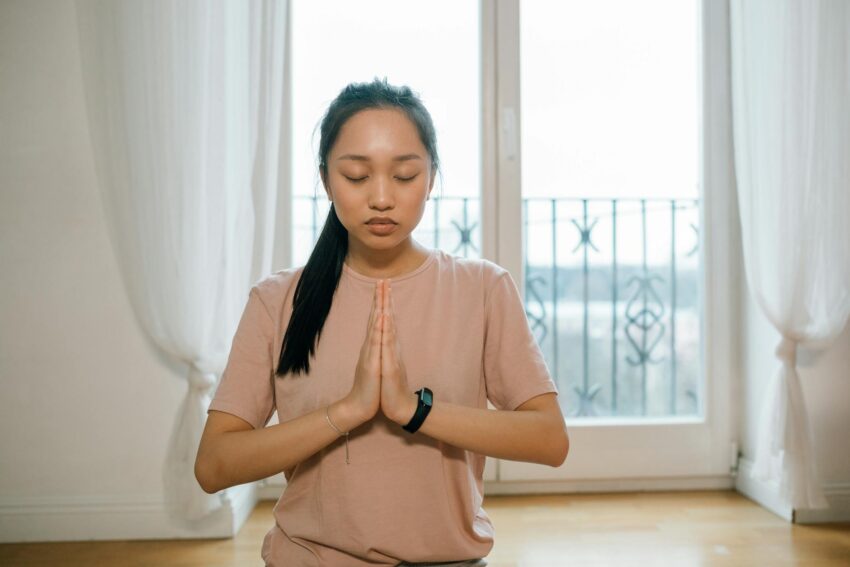
Ever feel like you’re constantly rushing, your mind buzzing with endless to-do lists, or that familiar knot of anxiety tightening in your chest? Or maybe you just wake up feeling sluggish, battling that afternoon slump even after your second coffee. What if I told you that the most powerful, immediate tool for shifting your state – for both calming the storm and igniting your inner fire – is right there with you, every single second?
I’m talking about your breath. Yeah, I know, it sounds almost too simple, doesn’t it? We breathe without thinking, 20,000 times a day, give or take. It’s so automatic we barely register it. But here’s the thing: while breathing is involuntary, it’s also the only involuntary bodily function we can consciously control. And that control, my friend, is your superpower.
I’ve been on a bit of a journey with breathwork myself over the past few years. I used to be a chronic shallow breather, always feeling a bit on edge, a bit tired. Then I started dipping my toes into conscious breathing, and honestly, it changed everything. I sleep better, I handle stress with more grace, and I even have more sustained energy throughout the day. It’s not magic, it’s just tapping into something incredibly ancient and profound that we’ve mostly forgotten how to use.
The Unseen Power of Your Breath
What most people miss is that how you breathe directly impacts your nervous system. Think of your nervous system as having two main gears: the “fight or flight” gear (sympathetic) and the “rest and digest” gear (parasympathetic). When you’re stressed, breathing shallowly and quickly, you’re revving up that fight or flight response. Your heart rate goes up, your muscles tense, your digestion slows down. It’s great if you need to run from a tiger, not so great when you’re just trying to get through Monday.
Conversely, when you breathe slowly, deeply, and deliberately, you engage the rest and digest system. Your heart rate slows, your blood pressure lowers, your muscles relax, and your mind quietens. It’s a direct line to your internal control panel. We’re talking about tangible physiological shifts here, not just some airy-fairy concept.
Breathing for Calm: When You Need to Hit Pause
Let’s face it, life throws a lot at us. These techniques are my go-to when I feel overwhelm creeping in, before a big presentation, or just when I need to wind down at the end of a long day.
Diaphragmatic Breathing (Belly Breathing)
This is the foundation, the ABCs of conscious breathwork. Most of us breathe primarily with our chest, which is inefficient and signals stress. Belly breathing, on the other hand, fully engages your diaphragm, a powerful muscle located below your lungs.
- How to do it: Lie down or sit comfortably. Place one hand on your chest and the other on your belly. Inhale slowly through your nose, feeling your belly rise as if it’s a balloon filling with air. Your chest hand should remain relatively still. Exhale slowly through your mouth (or nose), feeling your belly fall. Try to make your exhale longer than your inhale.
- My take: This one is deceptively simple but incredibly powerful. I remember thinking, “Surely, it can’t be this easy?” But after just a few minutes, I felt a noticeable shift. It’s perfect for grounding yourself anytime, anywhere.
4-7-8 Breathing Technique
Developed by Dr. Andrew Weil, this technique is often called a “natural tranquilizer for the nervous system.” It’s fantastic for falling asleep or calming acute anxiety.
- How to do it: Sit with your back straight. Place the tip of your tongue against the ridge of tissue just behind your upper front teeth, and keep it there throughout the entire breath cycle. Exhale completely through your mouth, making a “whoosh” sound. Close your mouth and inhale quietly through your nose to a mental count of four. Hold your breath for a count of seven. Exhale completely through your mouth, making a “whoosh” sound, for a count of eight. This is one breath. Repeat for three more breaths.
- My take: I swear by this for sleep. If my mind is racing at 2 AM, I do a few rounds of 4-7-8, and before I know it, I’m drifting off. It really does create a profound sense of relaxation.
Box Breathing (Tactical Breathing)
Popularized by Navy SEALs (if it works for them in high-stress situations, it’ll work for us!), box breathing is all about creating equilibrium.
- How to do it: Inhale slowly and deeply through your nose for a count of four. Hold your breath for a count of four. Exhale slowly and completely through your mouth for a count of four. Hold your breath again (lungs empty) for a count of four. Repeat this “box” pattern several times.
- My take: This one is fantastic for clear thinking under pressure. Before a big meeting where I know I need to be sharp and calm, I’ll sneak in a few rounds. It steadies my mind and helps me focus.
Breathing for Energy: Sparking Your Inner Fire
Sometimes you don’t need to calm down; you need a boost. Forget the midday espresso crash; these techniques offer a clean, sustained surge of energy.
Kapalabhati (Skull Shining Breath)
This invigorating yoga breathing technique is known for clearing the mind and energizing the body. It’s a bit more advanced, so go easy at first.
- How to do it: Sit comfortably with a straight spine. Take a deep inhale. On the exhale, forcefully contract your lower abdominal muscles, expelling the air in a short, sharp burst through your nose. The inhale will be passive and automatic. Focus on the sharp, active exhale. Start with 15-20 rapid exhales, then take a deep breath and hold it for a moment before slowly exhaling.
- My take: The first time I tried this, I felt a rush, a tingling sensation, and a sudden clarity. It’s like a mental shower! I use it when I’m feeling groggy in the morning or need to shake off mental fog. A word of caution: if you feel lightheaded, stop immediately.
Energizing Deep Breaths
You don’t always need a complex technique for energy. Sometimes, just consciously deepening your everyday breath can make a huge difference.
- How to do it: Stand or sit tall. Take a full, deep inhale through your nose, filling your lungs completely – feeling your belly expand, then your ribs, then even your chest rising slightly. Imagine you’re drawing energy up from your feet to the crown of your head. Hold for a moment. Then, exhale slowly and completely through your mouth, releasing any tension. Repeat 5-10 times.
- My take: This is my go-to for a quick pick-me-up. If I’m feeling sluggish after lunch, a few rounds of these deep, deliberate breaths can often stave off the need for another coffee. It’s so simple, but truly effective.
Integrating Breathwork into Your Daily Rhythm
The truth is, these techniques aren’t meant to be reserved for some fancy meditation session once a week. They’re tools you can grab and use throughout your day, whenever you need them.
- Morning Ritual: Start your day with 5 minutes of belly breathing or Kapalabhati to set a calm or energized tone.
- Work Breaks: Instead of endlessly scrolling, take 2-3 minutes for box breathing to reset your focus.
- Before Meals: A few deep breaths can activate your “rest and digest” system, improving digestion.
- Before Bed: The 4-7-8 technique is your best friend for a peaceful transition to sleep.
- In Traffic: Seriously, instead of fuming, try some slow, deep breaths. It makes a difference.
It’s all about building tiny habits. I started by just doing 2 minutes of belly breathing every morning while my coffee brewed. Now, it’s just part of my routine, and I genuinely notice when I skip it. You don’t need a yoga mat or a quiet room to start; you just need your breath.
Final Thoughts: Just Breathe
Look, we live in a world that constantly pulls us outwards. Our breath is that anchor, that constant, readily available resource that connects us back to ourselves. It’s free, it’s portable, and it’s incredibly powerful. Don’t underestimate its potential to transform your calm, your energy, and ultimately, your well-being. Give these techniques a try. You’ve literally got nothing to lose, and a whole lot of peace and power to gain. Just breathe, my friend, just breathe.
Frequently Asked Questions About Breathwork
Q1: How long should I practice these techniques for?
A: Start small! Even 2-5 minutes a day can make a difference. As you get more comfortable, you can gradually increase the duration. Consistency is far more important than intensity when you’re starting out.
Q2: Can breathwork cause lightheadedness or dizziness?
A: Yes, especially with more vigorous techniques like Kapalabhati or if you’re new to conscious breathing. If you feel dizzy, lightheaded, or uncomfortable, stop immediately and return to normal breathing. It’s a sign that you’re either overdoing it or need to adjust your technique. Listen to your body!
Q3: Is there a “best” time of day to do breathwork?
A: It really depends on your goals. Energizing breaths are great in the morning or during an afternoon slump. Calming breaths are perfect before bed, during stressful moments, or anytime you need to recenter. The best time is simply when you remember to do it!
Q4: Do I need special training or a guru to do breathwork?
A: Not for these basic techniques! While advanced breathwork can benefit from a qualified instructor, the methods I’ve outlined are simple enough to try on your own. There are tons of apps and online resources if you want more guided practices, but trust your own body and intuition first.
Q5: How quickly will I notice results?
A: Many people notice immediate shifts in their state – a feeling of calm or increased energy – even after just a few breaths. For more sustained benefits, like improved sleep or reduced chronic stress, consistency over weeks and months is key. It’s a practice, not a one-time fix.