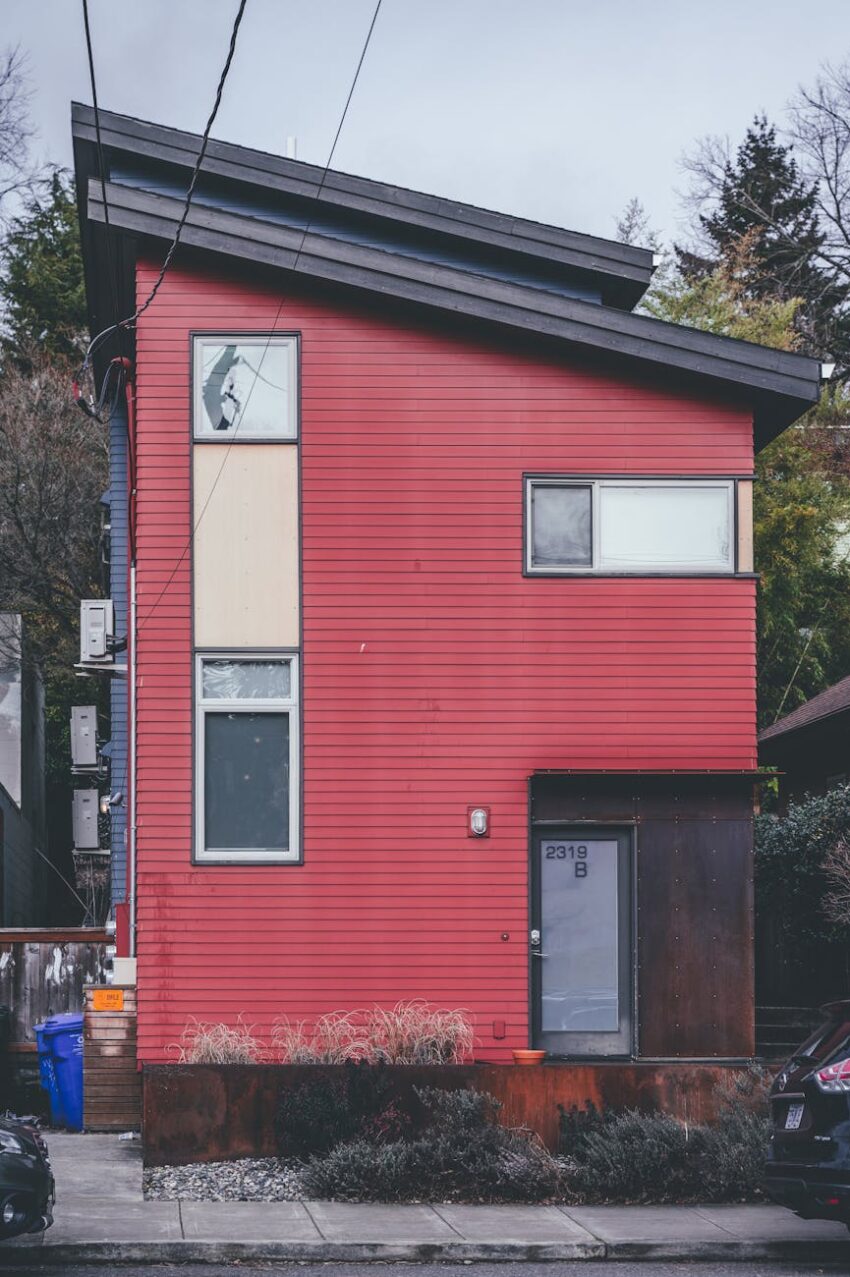
Ever found yourself staring at your backyard, wondering if you could squeeze just a little more out of your property? Or maybe you’re grappling with the soaring cost of housing, trying to figure out how to keep aging parents close, or give your boomerang kids a bit of independence without them moving too far away. If any of this resonates, then you and I need to talk about Accessory Dwelling Units, or ADUs.
I’ve been in real estate for a good while now, and I can tell you, ADUs are more than just a trend; they’re a fundamental shift in how we think about homeownership and property value. For years, we’ve been fixated on the main house, but what most people miss is the incredible potential hiding in plain sight – that underutilized garage, the forgotten corner of the yard, or even the unused space in a basement. That’s where an ADU comes in, transforming these overlooked areas into flexible, functional living spaces that can seriously boost your property’s worth and quality of life.
The Many Faces of an ADU
Here’s the thing: when I say ADU, you might immediately picture a tiny house in the backyard. And yes, that’s often what they are! But the beauty of ADUs is their versatility. They can be detached structures, like a standalone cottage or a converted shed. They can be attached to your main home, perhaps a basement apartment or an addition over a garage. They can even be a garage conversion – one of my personal favorites for its efficiency.
I remember working with a client in Portland, Sarah, who had this dingy, unused two-car garage. She was worried about her elderly mother living alone and really wanted her closer. We explored options, and an ADU made perfect sense. We helped her convert that dusty garage into a charming, one-bedroom cottage, complete with a small kitchen and living area. Her mom moved in last year, and Sarah often tells me how much peace of mind it gives her. It’s a win-win: independence for her mom, proximity for Sarah, and a fantastic boost to her property value.
Rental Income: Your Property’s New Best Friend
Now, let’s talk numbers. For many homeowners, the primary driver for building an ADU is supplemental income. In today’s market, with rents climbing, a well-designed ADU can fetch a substantial amount. I’ve seen detached ADUs in desirable neighborhoods rent for anywhere from $1,500 to $3,000 a month, sometimes even more depending on the size and location. Think about that: a steady stream of passive income that can help offset your mortgage, save for retirement, or just give you more financial breathing room.
I had another client, Mark, who was approaching retirement and wanted to create a passive income stream. He had a decent-sized lot and decided to build a brand-new, detached ADU. We designed it with modern finishes and a small outdoor patio. He rents it out on a long-term lease, and he’s thrilled. He told me it’s like having “a little extra paycheck every month,” and it’s completely changed his retirement outlook. That’s tangible financial security right there.
Multigenerational Living: Keeping Family Close
Beyond the financial perks, ADUs are an incredible solution for the growing trend of multigenerational living. Whether it’s your college grad struggling to afford their first place, aging parents needing care, or simply wanting to keep loved ones close, an ADU offers that perfect blend of proximity and privacy. It’s a separate living space, so everyone maintains their independence, but they’re just steps away when you need them.
Flexible Workspace or Creative Studio
The pandemic certainly changed how many of us work, didn’t it? Suddenly, that kitchen table wasn’t cutting it anymore. An ADU can be the ultimate solution for a dedicated home office, a quiet studio for artists, a personal gym, or even a meditation space. Imagine having a completely separate zone, free from the distractions of the main house. It’s a game-changer for productivity and mental well-being. I’ve heard from so many people how having that separate space has transformed their work-life balance.
Downsizing in Place: A Lifestyle Choice
This is a concept I love. Some homeowners build an ADU, move into the smaller unit themselves, and then rent out their larger main house. It’s a brilliant way to downsize, reduce living expenses, and generate income without actually having to leave the neighborhood you love. It’s about leveraging your existing assets to fit your changing lifestyle, and honestly, I think it’s incredibly smart.
Beyond the Hype: Real-World Benefits I’ve Seen
Look, I get genuinely excited about ADUs because I’ve seen firsthand the profound impact they have on people’s lives and their investments.
Boosting Property Value
This is a big one. A well-built, legally permitted ADU almost invariably increases your property’s overall value. While it varies by market, I’ve seen properties with quality ADUs jump 20% to 30% in value. Think of it as adding square footage, but with a separate entrance and utilities, making it far more valuable than just an extra bedroom. Appraisers often see ADUs as a separate income-generating asset, which significantly enhances the property’s appeal to future buyers.
Addressing Housing Needs
On a broader level, ADUs are quietly helping to address our national housing crunch. By creating more housing units within existing neighborhoods, they contribute to a more diverse and affordable housing stock without requiring massive new developments. It’s a sustainable approach to urban infill, and that’s something I can really get behind.
Financial Security
Beyond the immediate income, an ADU is a long-term investment. It diversifies your financial portfolio, provides a hedge against inflation, and offers a flexible asset that can adapt to your needs over time. Need extra cash? Rent it out. Kids move back home? They have a place. Want to age in place? Move into the ADU and get help with the main house. The options are truly limitless.
Navigating the Nitty-Gritty: What to Consider
Building an ADU isn’t just about dreaming up a beautiful space; there are practical steps you absolutely need to take.
Local Regulations and Permitting
The truth is, this is often the most complex part. Local zoning laws and building codes vary wildly from city to city, and even within different neighborhoods. You’ll need to research setbacks, size limits, parking requirements, and utility connections. My advice? Don’t skimp here. Start by checking your local planning department’s website or giving them a call. Many cities are making it easier to build ADUs, but it still requires diligence. I’ve seen projects get bogged down for months because someone didn’t do their homework on permitting.
Design and Budget
Once you understand the rules, it’s time to think about design and budget. How big will it be? What materials will you use? Are you looking for a luxury suite or a simple, functional space? Get quotes from several contractors and make sure they have experience with ADUs. This isn’t the time to go with the cheapest bid; you want quality and reliability.
Finding the Right Team
Unless you’re a seasoned builder yourself, you’ll need a team. This usually includes an architect or designer, a general contractor, and possibly specialized subcontractors. Interview them thoroughly, ask for references, and look at their past work. A good team will guide you through the process, from initial design to final inspection, making the journey much smoother.
My Takeaway
I honestly believe ADUs are one of the smartest investments a homeowner can make today. They offer unparalleled flexibility, significant financial benefits, and contribute to a more sustainable housing future. If you’re looking to maximize your property’s value, create a new income stream, or simply need more adaptable living space, an ADU might just be the perfect solution you’ve been searching for. It’s an opportunity to transform your property and truly live smarter.
ADU FAQs
Q: How much does it typically cost to build an ADU?
A: This is the million-dollar question, and frankly, it varies a lot! Generally, you can expect costs to range from $100,000 to $300,000+. Factors like size, type (garage conversion vs. new build), materials, finishes, and local labor costs all play a huge role. I’ve seen smaller garage conversions done for closer to the lower end, while a custom-built, detached two-bedroom unit could easily hit the higher end or even exceed it.
Q: Will an ADU increase my property taxes?
A: Yes, in most areas, adding an ADU will increase your property taxes because you’re adding value to your property. The exact increase will depend on your local tax assessor’s valuation methods and your current tax rate. It’s a good idea to check with your local assessor’s office for a more precise estimate.
Q: How long does it take to build an ADU?
A: From initial design to final inspection, the timeline can vary significantly. Permitting alone can take anywhere from a few weeks to several months, depending on your municipality. Construction itself usually takes 3-6 months for a typical ADU, but this can be longer for larger or more complex projects. I’d budget at least 9-12 months total for the entire process, just to be safe.
Q: Can I live in my ADU and rent out my main house?
A: Absolutely! This is a fantastic strategy known as “downsizing in place.” Many homeowners choose to move into their smaller, more manageable ADU and rent out their larger primary residence. It can be a great way to generate income, reduce living expenses, and stay in the neighborhood you love. Just be sure to check any local regulations regarding owner occupancy requirements, as some areas may have rules about one of the units being owner-occupied.
Q: What’s the difference between an ADU and a tiny home?
A: While many ADUs are small, not all tiny homes are ADUs, and not all ADUs are tiny homes. A “tiny home” primarily refers to the size and aesthetic – typically under 400-600 sq ft. An “ADU” is a legal term defined by zoning codes; it’s a secondary dwelling unit on the same lot as a primary residence. An ADU can be a tiny home, but a tiny home on wheels, for example, isn’t an ADU unless it’s permanently affixed to a foundation and permitted as such.